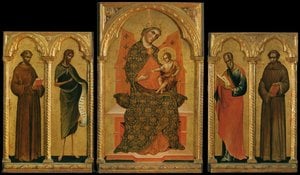
ფლორენტინული მოგზაურობა: ჯოვანი და მილანოს ცხოვრება და შემოქმედება
ჯოვანი და მილანო, სახელი, რომელიც რბილად ეხმიანება პროტო-რენესანსის ხელოვნების ანალებს, იტალიური ფერწერის გარდამავალ ეპოქას წარმოადგენს — ეს არის ხიდი გოტიკური პერიოდის დახვეწილ ლირიზმსა და იმ მზარდ ნატურალიზმს შორის, რომელმაც მოგვიანებით რენესანსის არსი განსაზმავად შეძლო. დაახლოებით 1346 წელს ლომბარდიაში დაბადებული ჯოვანი დი ჯაკოპო დი გუიდო და კავერსაჩო, თავის შემოქმედებით მოგზაურობას უმეტესწილად ფლორენციის ცოცხალ კულტურულ გარემოში ატარებდა, რაც უდიდესი ცვლილებებისა და ინოვაციების ეპოქა იყო. მიუხედავად იმისა, რომ მისი ცხოვრება ტრაგიკულად შეწყდა 1369 წელს და მან შედარებით მცირე, თუმცა ღრმად გავლენიანი შემოქმედება დატოვა, ჯოვანის წვლილი იტალიური ფერწერის ევოლუციაში უდავოა. მისი ყოფნის პირველად დოკუმენტირებული კვალი ფლორენციის 1346 წლის 17 ოქტომბრის ჩანაწერებში გვხვდება, სადაც იგი, როგორც იოჰანეს იაკობი დე კომო, ტოსკანაში მცხოვრებ უცხოელ მხატვართა შორის არის მითითებული — ეს არის დასტური იმ მაგნიტური ძალისა, რომელსაც ფლორენცია ახალი შესაძლებლობებისა და აყვავებული ხელოვნებრივი გარემოს მაძიებელ მხატვრებზე ახდენდა. ეს გადასახლება მიუთითებს წინსვლის შეგნებულ სურვილზე, რომ მან თავისი ლომბარდიული წარმომავლობა დატოვა და ხელოვნებრივი ინოვაციების ეპიცენტრში ჩაერთო.
ჯიოტოს પડექლი: სტილი და გავლენები
ჯოვანი და მილანოს სტილი განუყოფლად არის დაკავშირებული ჯიოტო დი ბონდონეს შემოქმედებასთან, იმ რევოლუციურ მხატვართან, რომელმაც ათწლეულებით ადრე დაიწყო შუ agesთამედური ფერწერის კონვენციების დაშლა. თუმცა, იგი არ ყოფილა მხოლოდ მიმბაძველი; პირიქით, მან ჯიოტოს ინოვაციები — ნატურალისტური რეპრეზენტაციის ხაზგასმა, ემოციური გამომხატველობა და სივრცითი სიღრმე — შთანთქა და საკუთარი მხატვრული სენსიტიურობით გაფილტრა. მისი ნამუშევრები აჩვენებს მკაფიო მცდელობას, გასცდეს გოტიკური ხელოვნების სტილიზებულ ფიგურებსა და ბრტყელ პერსპექტივას და მიაღწიოს რეალიზმის მაღალ დონეს ადამიანური ფორმების აღწერისას და სახის გამომეტყველებისა თუ ჟესტების მეშვეობით ნამდვილი ემოციის გადმოსაცემად. ეს სწრაფვა აშკარაა ქსოვილის საგულდაგულოდ დამუშავებულ მოდელირებაში, სინათლისა და ჩრდილის ნატიფი ნიუანსებში და იმ სიმძიმისა და მოცულობის შეგრძნებაში, რაც მის ფიგურებს ახასიათებს. იგი არ მუშაობდა იზოლირებულად; ჯოვანი თანამშრომლობდა თავის დროის სხვა გამოჩენილ მხატვრებთან, მათ შორის ჯიოტინოსთან — თავად ჯიოტოს ვაჟთან და ტადეო გადის შვილებთან, რაც კიდევ უფრო მეტად აცნობისებადს ხდიდა მისთვის თანამედროვე მხატვრული მიდგომები და ხელს უწყობდა მის სტილისტურ განვითარებას. ამ თანამშრომლობებმა შექმნა იდეების დინამიკური მიმოცვლა, რომელმაც ჩამოაყალიბა მისი უნიკალური ხედვა. მიუხედავად იმისა, რომ იგი ღრმად იყო მადლობელი ჯიოტოსთვის, ჯოვანის შემოქმედებაში იგრძნობა სიენური გავლენის კვალიც, განსაკუთრებით ფერების ნატიფ გამოყენებასა და დახვეწილ დეტალებში, რაც მიუთითებს იტალიაში არსებულ მრავალფეროვან მხატვრულ ტენდენციებთან მის ფართო კავშირზე.
შედევრები და მხატვრული მემკვიდრეობა
მიუხედავად მისი მოკლე კარიერისა, ჯოვანი და მილანომ დატოვა რამდენიმე მნიშვნელოვანი ნამუშევარი, რომლებიც წარმოაჩენს მის განვითარებად სტილსა და ტექნიკურ ოსტატობას.
ოგნისანტის პოლიპტიქსი, კერძოდ მისი გვერდითი პანელები, რომლებიც ფლორენციის უფიციზის გალერეაში ინახება, მისი სიმწიფის ნიმუშია. ამ რელიგიურ კონტექსტში დეტალებზე მეტი ყურადღება შთამბეჭდავია და აჩვენებს მის უნარს, წმინდა სუბიექტებს ადამიანური ღირსებისა და ემოციური რეზონანსის შეგრძნება მისცეს. სხვა აღსანიშნავ ნამუშევრებს შორისაა
მადონა და ბავშვი დონორებთან ერთად, ადრეული რენესანსის გასაოცარი შედევრი, რომელიც წარმოადგენს მილანური ხელოვნების ნატურალიზმისა და ღვთიური სილამაზის მაგალითს, და შედარებით ტრაგიკული
წმინდა ფრანცისკე ასისელი, რომელიც ხასიათდება მშვიდი კომპოზიციით, მიწისფერი ტონებითა და სიმბოლური სიღრმით.
ქალწულად ტახტზე აღვესლვა — ზეთწარმოთებული ნახატი, რომელიც დეტალებითა და სიმბოლური სილამაზით გამოირჩევა — კიდევ უფრო ამყარებს მის ადგილს იმ პერიოდის მხატ एग्जामपुर ეკოსისტემაში. მისი ფრესკები ფლორენციის სანტა კროცეს რინუჩინიის კაპელაში — განსაკუთრებით ისინი, რომლებიც გამოსახავს ქალწული მარიამისა და მარიამ მაგდალენეს ცხოვრების სცენებს — ავლენს ნარატიულ კომპოზიციასა და ექსპრესიულ ფიგურაციაში მის დიდოსტატურ ფლობას.
გადამავალი ფიგურა
ჯოვანი და მილანოს ისტორიული მნიშვნელობა მდგომარეობს პროტო-რენესანსში მისი, როგორც გადამწყვეტი გარდამავალი ფიგურის როლში. იგი არ იყო რევოლუციონერი ჯიოტოს მსგავსად, თუმცა დახვეწილად შეዋროთ არსებული მხატვრული ტრადიციები და ნატიფი მოდერნიზაციის გზით მიმართა უფრო მეტი ნატურალიზმისა და ემოციური სიღრმისკენ. მან გზა გაუკვალა მოგვიანებით მოღწევად რენესანსის მხატვრებს დაკვირვების ძალის, ადამიანური ემოციის მნიშვნელობისა და ფერწერის პოტენციალის დემონსტრირებით, რაც რთული ნარატივების გადმოცემას შესაძლებელს ხდის. მისი შემოქმედება განსახიერებულად ასახავს XIV საუკუნის იტალიის განვითარებად მხატვრულ ლანდშაფტს — პერიოდს, რომელიც აღინიშნება კლასიკური ანტიკურობისადმი მზარდი ინტერესით, ჰუმანიზმზე განახლებული აქცენტითა და შუ agesთამედური ხელოვნების მკაცრი კონვენციებიდან თანდათანობითი გადასვლით. მიუხედავად იმისა, რომ მისი ცხოვრება ტრაგიკულად მოკლე იყო, ჯოვანი და მილანოს მემკვიდრეობა არსებობს, როგორც მხატვრული ინოვაციის ძალისა და სილამაზის, რწმენისა და ადამიანური გამოხატულობის მარადიული მიმზიდველობის დასტური. მისი ნახატები დღემდე აღფრთოვანებას იწვევს თავისი ნატიფი ელეგანტურობით, ემოციური ინტენსივობითა და ღრმა სულიერი რეზონანსით, რაც შემოგვთავაზებს თვალსწრაფს დასავლური ხელოვნების ისტორიის გადამწყვეტ მომენტში.
დამატებითი კვლევა
- სენას მუზეუმი სან ჯოვანიში: ინახავს შთამბეჭდავ კოლექციას, რომელიც მოიცავს ჯოვანი და მილანოს ნამუშევრებს ლორენცო გიბერტიისა და დომენიკო დი პაჩე ბეკაფუმის მსგავს მხატვრებთან ერთად.
- მეტროპოლიტენის ხელოვნების მუზეუმი: წარმოადგენს ნამუშევარს „მადონა და ბავშვი დონორებთან ერთად“, რაც გვაწვდის ინფორმაციას მის სტილსა და ტექნიკაზე.
- Web Gallery of Art (WGA): გთავაზობთ ამომწურავ ბიოგრაფიას და წვდომას მისი ხელოვნების ნიმუშების ციფრულ გამოსახულებებზე.



 წინასწარი ნახვა
 შეიძინეთ ხელით შესრულებული ნახატი
 გაგზავნა
 გაზიარება
 დეტალები
 გზამკვლევი

 ჩამოტვირთვა
 მსგავსები
 რენტგენოგრაფიული კვლევა
 სლაიდშოუ
 სტატისტიკა


 გადასართად დაწვრილებით ნახეთ






































 მინის ჩარჩოს არჩევანი ხელმისაწვდომია მხოლოდ 110 სმ-ზე ნაკლები ზომისთვის