


ტილოზე შესრულებული ფერწერიანი ზეთប្រდათი, თქვენთვის სასურველი ზომისა და ჩარჩოსთვის, ჩვენი ხელოვანების მიერ შეკვეთის საფუძველზე დამზადებული. ( შეიძინეთ პრინტი შეიძინეთ გამოსახულება)





























აირჩიეთ ჩვენს მიერ წინასწარ განსაზღვრული ზომებიდან, რომლებიც ნაწარმოების ორიგინალურ პროპორციებს შეესაბამება.

თქვენ შეგიძლიათ მიუთითოთ თქვენთვის სასურველი ზომები კონკრეტული ჩარჩოს ან სივრცის შესაბამისად. თუ თქვენ მიერ არჩეული ზომა არ შეესაბამება ორიგინალი გამოსახულების პროპორციებს, ჩვენ ან შევაჭრებთ ნაწარმოებს, ან ტილოზე დავამატებთ ხელით მოხატულ ელემენტებს. წარმოების დაწყებამდე, დამტკიცებისთვის გამოგეგზავნებათ ციფრული მაკეტი.
გთხოვთ, გაითვალისწინოთ, რომ ეკრანზე ნაჩვენები წინასწარი შეხედულება არ ასახავს რეალურ შეჭრას ან გაფართოებას. საბოლოო კომპოზიციას ზუსტად მხოლოდ მაკეტი წარმოაჩენს.
მიუხედავად იმისა, რომ შესაძლებელია ინდივიდუალური ზომების შერჩევა, ორიგინალური პროპორციების შენარჩუნებისათვის გირჩევთ, გამოიყენოთ წინასწარ განსაზღვრული სიის ზომები.
მიწოდება მსოფლიო მასშტაბით -ში 3/4 კვირაში, სტანდარტული 5 კვირის ნაცვლად. (6 სექტემბერი). ხარისხზე კომპრომისის გაკეთება არ მოხდება.


Perspective View (Stage design)
რეკლამაციის ზომა
Canaletto’s “Perspective View (Stage Design)” is more than just a depiction of a bustling scene; it's a window into the vibrant theatrical culture of 18th-century Venice. Painted likely in the early 1720s, this capriccio – a term Canaletto himself employed for imaginary or idealized views – transports us to a fantastical Capitol, glimpsed through a grand loggia adorned with Corinthian columns and shimmering with golden ornamentation. The composition is anchored by an equestrian monument, reminiscent of Marcus Aurelius, rising majestically from the steps of a triumphal arch, creating a powerful sense of grandeur and historical resonance.
The painting’s genius lies not merely in its technical precision but also in its evocative atmosphere. Canaletto masterfully employs linear perspective to draw the viewer into this meticulously rendered space. The receding lines of the loggia, the diminishing scale of the statues, and the subtle shifts in light create a convincing illusion of depth, inviting us to step through the painted world and become part of the scene. Notice how he uses atmospheric perspective – distant elements are paler and less defined, contributing to the overall sense of vastness and theatrical spectacle.
Giovanni Antonio Canal, known as Canaletto, was a pivotal figure in the development of topographical painting. Born in Venice in 1697, he initially trained under his father, Bernardo Canal, a stage designer for theatrical productions. This early experience instilled in him a deep understanding of perspective and spatial relationships – skills that would later define his remarkable career. Canaletto’s work was profoundly shaped by the bustling commercial activity of Venice, a city renowned for its trade and artistic patronage. He meticulously documented the city's canals, palaces, markets, and everyday life, creating a vast archive of visual records.
His approach differed significantly from earlier Venetian painters who focused primarily on religious or mythological subjects. Canaletto’s interest lay in capturing the tangible reality of Venice – its architecture, its people, and its atmosphere. This shift towards secular subject matter reflected a broader cultural trend during the 18th century, as artists increasingly sought to depict the world around them with greater accuracy and detail. The painting's attribution has been debated by scholars, but Stefano Susinno recognized it as a unique example in Canaletto’s oeuvre due to its drawing, points of light, and similarities to other capricci.
Beyond its technical brilliance, “Perspective View (Stage Design)” is rich in symbolic meaning. The equestrian monument, a reference to Roman emperors, suggests an ideal of leadership and power. The triumphal arch evokes the grandeur of ancient Rome, while the golden ornaments symbolize wealth and prestige. The inclusion of figures engaged in various activities – musicians, spectators, and performers – underscores the importance of theatre as a central element of Venetian society. It’s a scene brimming with life, energy, and the allure of entertainment.
Interestingly, scholars believe this painting may have been created shortly after Canaletto's stay in Rome (1718-1720), possibly inspired by the city’s ancient ruins and theatrical traditions. The presence of numerous architectural elements reminiscent of Roman antiquity suggests a deliberate attempt to evoke the spirit of the classical world.
“Perspective View (Stage Design)” stands as a testament to Canaletto's exceptional skill and artistic vision. It’s a captivating blend of realism, imagination, and theatricality – a painting that continues to delight and intrigue viewers centuries after its creation. Reproductions of this work offer a remarkable opportunity to experience the beauty and detail of Canaletto’s artistry in your own home or office, bringing a touch of Venetian elegance and historical grandeur to any space.

ჯოვანი ანტონიო კანალი, უფრო მეცნობილი როგორც კანალეტო, დაიბადა 1797 წლის 18 ოქტომბერს ვენეციაში. იგი იყო ბერნარდო კანალის ვაჟი, თეატრალური სცენების მხატვარი, და არტემიზია ბარბიერის შვილი. კანალეტოს ადრეული სამხატვრო მომზადება მამამისმა დაიწყო, რომელმაც მას ხელოვნების საფუძველი ასწავლა. ვენეციაში გაზრდილმა კანალეტომ ადრევე გამოავლინა განსაკუთრებული ნიჭი ხატვის მიმართ და სწორედ ამიტომ გადაწყვიტა პროფესიონალურ მხატვარდ გახდომა.
1718 წელს კანალეტო გაემგზავრა რომში, სადაც მუშაობდა ორი ოპერისთვის ალესანდრო სკარლატის მიერ შექმნილი დეკორაციების წარმოებაში. ამ გამოცდილებამ მნიშვნელოვანი გავლენა მოახდინა მის განვითარებაზე მხატვრად. რომში ყოფნის დროს მან გაიარა მნიშვნელოვანი სწავლება და ჩამოაყალიბა საკუთარი სტილი. დაბრუნებულს ვენეციაში, კანალეტომ დაიწყო ხატვა თავისი გამორჩეული ტოპოგრაფიული სტილის მიხედვით, რომელიც საბოლოოდ გახადა ცნობილი.
კანალეტოს ყველაზე მნიშვნელოვან ნამუშევრებს შორის არის: ქვის მუშების ეზო (დაახლოებით 1725 წელი), რომელიც გამოარჩევს მის ადრეულ უნარს. ასევე, განსაკუთრებული ყურადღება ღირს რეგატა გრანდ-კანალზე, ვენეციური საზოგადოებრივი ცერემონიების მკვეთრი აღწერა და იტონის კოლეჯი (1746-1756 წლები), რომელიც მისი გავლენის მტკიცებულებაა ინგლისში. კანალეტოს მნიშვნელოვანი თანამშრომლობა ჰქონდა მის ძმისწულთან, ბელოტოსთან, რომელმაც თავად გახდა გამოჩენილი მხატვარი.
კანალეტოს მიერ გამოყენებული ზუსტი პერსპექტივა და დეტალური მომზადებითი ნახატები, ზოგიერთ ექსპერტს აჯერებს, რომ მან შესაძლოა გამოიყენა კამერა-ობსკურა ტოპოგრაფიული სიზუსტის მისაღწევად. თუმცა, მისი მთავარი ყურადღება კომპოზიციურ დიზაინზე რჩებოდა, რაც უზრუნველყოფდა, რომ მისი ნამუშევრები მხოლოდ ზუსტი ჩანაწერები არ ყოფილიყო, არამედ ვიზუალურად განსაცვიფრებელიც.
კანალეტოს ნამუშევრებს მრავალ სხვადასხვა მუზეუმში შეადგენს, მათ შორის ლონდონის ეროვნულ გალერეაში, რომელიც წარმოაჩენს მის გავლენას XVIII საუკუნის ხელოვნებაზე. მისი მემკვიდრეობა ვრცელდება მრავალ მხატვარზე, რომელსაც მან შთააგონა, რაც განამტკიცებს მის ადგილს ვენეციური პეიზაჟების ოსტატად.
გახსოვდეთ ხელოვნების სამყაროში შესასვლელად https://WahooArt.com
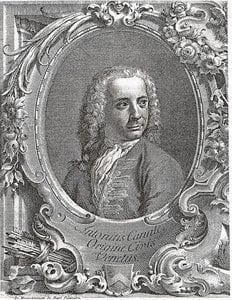
1697 - 1768 , იტალია
Elevate your home staging with premium, hand-painted art reproductions from WahooArt. Achieve luxury transformations in under 3 weeks with our express delivery service. Perfect for freelance decorators seeking museum-quality, ready-to-hang masterpieces that drive property value.

Discover how curated fine art transforms restaurants into immersive theatrical stages. Learn expert strategies for restaurateurs to elevate brand identity, influence diner emotion, and create unforgettable gastronomic experiences through masterful visual storytelling.

Transform your creative talent into a prestigious global brand. WahooArt offers art students the elite platform to sell museum-quality Giclée prints and hand-painted reproductions to collectors worldwide. Build your artistic legacy with our premium fulfillment and global marketplace.

Elevate your art collection's legacy. List your ready-to-ship originals on WahooArt’s verified marketplace. Benefit from expert appraisal, global reach, and secure consignment designed for elite collectors seeking seamless, high-value transactions with absolute prestige.
Explore the profound beauty of Roman architecture through art history. From Piranesi's evocative engravings to classical masterpieces, discover how the grandeur of ancient Rome continues to inspire collectors and art enthusiasts worldwide.

 წინასწარი ნახვა
 გაგზავნა
 გაზიარება
 დეტალები

 ჩამოტვირთვა
 მსგავსები
 რენტგენოგრაფიული კვლევა
 სლაიდშოუ

 გადასართად დაწვრილებით ნახეთ







 მინის ჩარჩოს არჩევანი ხელმისაწვდომია მხოლოდ 110 სმ-ზე ნაკლები ზომისთვის


