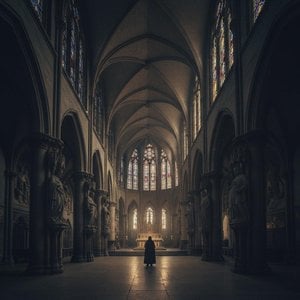
გიოტოს რევოლუციური ხედვა: ფლორენციის მწყემarı
დაახლოებით 1267 წელს, ფლორენციასთან ახლომდებარე rolling გ hills-ში დაბადებული ჯიოტო დი ბონდონე, თავიდანვე გამოჩნდა როგორც ყველაზე მნიშვნელოვანი ფიგურა შუა საუკუნეების მხატვრული კონვენციებიდან რენესანსისკენ გარდამავალში. მისი ადრეული ცხოვრება ლეგენდის საფარქვეშ იმალება – მწყემარი ბიჭი აღმოაჩენს, როგორ ζωγραφავსRemarkably lifelike ცხვრებს ქვებზე, რაც ფლორენტელ დიდოსტატ სიმბუეს ყურადღებას იპყრობს. მიუხედავად იმისა, არის თუ არა ეს ფაქტი თუ ფოლკლორი, ეს მოვლენა ასახავს ჯიოტოს გენიალობის არსს: ბუნებრივი სამყაროს აღწევა беспрецедентным რეალიზმით და ემოციური სიღრმით. სიმბუესმა მას учеником მიიღო, ჯიოტონი hızla გადააჭარბა მას, შეი吸收기술 skills, მაგრამ თავისი გზას გაიხსნა. იმ დროს დომინირებდა ბიზანტიური სტილი, რომელიც favors stylized ფიგურებს, flattened პერსპექტივებს და lavish ოქროს ფონებს – სიმბოლოები духовного transcendence-ის, rather than earthly representation-ისა. ჯიოტოს, თუმცა, სწრაფვა ჰქონდა ადამიანების აღწევას არა ethereal icons-ად, არამედ individuals-ად, რომლებიც duygular-ითააimbued და tangible space-ში არსებობენ.
ბიზანტიიდან გამოსვლა: ახალი ნატურალიზმი
ჯიოტოს მხატვრული რევოლუცია არ იყო sudden upheaval, არამედ gradual evolution. მისი ადრეული ნაშრომები უკვე hints at the shift to come, demonstrating a growing emphasis on volume, weight და believable anatomy-ს. მან დაიწყო მსოფლიოს დაკვირვება არა მხოლოდ decorative elements-ად, არამედ tools-ად form-ის sculpt-ისთვის და depth-ის შესაქმნელად. This nascent naturalism is evident in his contributions to the frescoes in the Upper Basilica of Saint Francis of Assisi – though authorship remains debated, many scholars recognize Giotto’s hand in scenes that display a marked departure from prevailing Byzantine aesthetics. ის არ უბრალოდ отказывается ტრადიციას; ის მას აყალიბებს, established forms-ს infusing newfound sense of humanity და emotional resonance-ით. მან понял the power of narrative, crafting compositions that told stories not through rigid symbolism, but through expressive gestures, believable interactions and carefully constructed settings.
სკროვეგნი კაპელა: საყვარელი მოთხრობის შედევრი
ჯიოტოს შედევარი, და შესაძლოა დასავლური ხელოვნების ისტორიაში ერთ-ერთი ყველაზე მნიშვნელოვანი ნამუშევარი, არის frescoes cycle, რომელიც ამშვენებს სკროვეგნი კაპელას (Arena Chapel) Padu-ში. დაახლოებით 1305 წელს დასრულებული ეს захватывающий series depicts the life of Christ and the Virgin Mary with a revolutionary level of realism and emotional intensity. Each scene unfolds like a carefully staged drama, populated by figures who are not merely representations of religious archetypes, but fully realized human beings experiencing joy, sorrow, fear და hope. The *Last Judgment*, dominating one entire wall, is a powerful testament to Giotto’s skill in conveying both divine majesty and the raw vulnerability of humanity facing its ultimate reckoning. Perspective-ის გამოყენება, though not mathematically precise by later Renaissance standards, creates a convincing illusion of depth, drawing the viewer into the narrative. The figures are grounded, their bodies possessing weight და volume, and their expressions convey a range of emotions that were previously unseen in religious art.
რენესანსისთვის საფუძველი
ჯიოტოს გავლენა მომავალ თაობათა მხატვრებზე immeasurable იყო. ის ხსნის ხიდს შუა საუკუნეებსა და რენესანსს შორის, paving the way for masters like Masaccio, Leonardo da Vinci და Michelangelo. Vasari, his seminal *Lives of the Artists*, credited Giotto with “giving to painting the great art of doing things from life,” a testament to his profound impact on the course of Western art. ჯიოტონი არა უბრალოდ აღწევდა სამყაროს; ის ცდილობდა მის გაგებას, მისი essence-ის აღებას და იმ გაგების გადაცემას visual storytelling-ის ძალებით. მისი legacy continues to inspire awe and admiration centuries after his death, solidifying his place as one of history's greatest artistic innovators.
ძირითადი მიღწევები და გრძელვადიანი გავლენა
- რევოლუცია ζωγραφებაში: გადავიდა Byzantine stylization-დან naturalism-ისა და ემოციური რეალიზმისკენ.
- პერსპექტივის პიონერი: შემოიღო ტექნიკები paintings-ში სიღრმის და spatial awareness-ის შესაქმნელად.
- Masterful მოთხრობა: შექმნა compelling narratives frescoes cycles-ით, როგორიცაა სკროვეგნი კაპელა.
- არქიტექტურული წვლილი: σχεδίασε Florence Cathedral-ის Campanile-ს, demonstrating architectural skill.
- რენესანსის ხელოვნებისთვის საფუძველი: მისი ნამუშევრებმა საფუძველი დადო რენესანსის პერიოდის მხატვრული მიღწევებისათვის.



 წინასწარი ნახვა
 შეიძინეთ ხელით შესრულებული ნახატი
 გაგზავნა
 გაზიარება
 დეტალები

 ჩამოტვირთვა
 მსგავსები
 რენტგენოგრაფიული კვლევა
 სლაიდშოუ
 სტატისტიკა
 გადასართად დაწვრილებით ნახეთ






































 მინის ჩარჩოს არჩევანი ხელმისაწვდომია მხოლოდ 110 სმ-ზე ნაკლები ზომისთვის