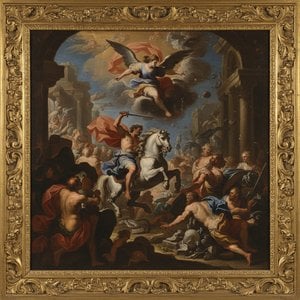
მხატვრის ბიოგრაფია
სიცოცხლის ქსოვილი რენესანსის ფაბრიკაში
ჯორჯო ვასარი, რომელიც დაიბადა არეძოში, ტოსკანაში, 30 ივლისს, 1511 წელს, იყო უბრალოდ მხატვარიზე მეტი; ის იყო იტალიური რენესანსის სულისშემცვლელი განსახიერება. მისი ცხოვრება წარმოადგენდა თვალწარმეტებულ ტაპესტრიას, რომელიც ჩამოვაწყობილი იყო მხატვრული შემოქმედების ძაფებით, არქიტექტურული ინოვაციებით, ღრმა ისტორიულობით და უ unwavering ერთგულებით მასწინდელი ოსტატების აღნიშვნისკენ. ადრეული მომზადება გუგლიელმო და მარსიგლიასთან, ჭრილული მინის კეთილმომსახურე ხელოვანთან, ახალგაზრდა ჯორჯოს გზა ვიზუალურ ხელოვნებისაკენ გამართა. თუმცა, ფლორენციაში გადასვლამ, 16 წლის ასაკში, ნამდვილად აანთო მისი პოტენციალი. ჩაძირული ანდრეა დელ სარტოს დინამიკურ წრეში და როსო ფიორენტინოსა და იაკოპო პონტორმოს გავლენის შთანთქმით, ვასარი დაიწყო მოგზაურობა, რომელიც მას ამ ეპოქის ყველაზე გავლენიანი ფიგურად აქცევდა. მისმა ჩამოყალიბებულმა წლებმა ასევე ღრმად აღნიშნა ძლევან მედიჩის ოჯახის პატრონატი და მეგობრობა, ურთიერთობა, რომელმაც ჩამოაყალიბა როგორც მისი კარიერა, ასევე მისიperspektiva ხელოვნების როლის შესახებ საზოგადოებაში.
მხატვრის ხელი და თვალი
ვასარის მხატვრული სტილი ხშირად მოიხსენიება როგორც მანერიზმი, რაც ასახავს XVI საუკუნის შუა პერიოდის გაბატონებულ ესთეტურ ტენდენციებს. მისი ნახატვები ხასიათდება წაგრძელებული ფიგურებით, დინამიკური კომპოზიციებით და ფერის რაფინირებული გამოყენებით - თვისებები, რომლებიც მაღალად იყო შეფასებული მის დროს. მიუხედავად იმისა, რომ შესაძლოა არ მიაღწია ხანგრძლივი დიდების დონეზე ზოგიერთი მხატვრის მსგავსად, რომელსაც ის ქრონიკულად აღწერდა, ვასარის უნარი უდავოდ იყო. გამორჩეული ნამუშევრები, როგორიცაა "მხატვრის სტუდია", ფლორენციაში კაზა ვასარში განთავსებული ფრესკა, გულუხვად წარმოადგენს იმ დროის მხატვრული პრაქტიკას. მასშტაბისა და ამბიციის სიდიდე მისი ფრესკებისთვის პალაცო ვექიოში, რომელიც გაგზავნა 1555-1572 წლებში, აჩვენებს მის დიდოსტატობას დიდი ხარისხის დეკორატიულ სქემებში. მისი საბოლოო მონუმენტური პროექტი, "უკიდურესი სამსჯავრო", რომელიც ამშვენებს ფლორენციის საკათედროს გუმბათს - დასრულებული ფედერიკო ძუჩარის მიერ მისი გარდაცვალების შემდეგ - არის მისი უ unwavering ერთგულების ტესტამენტი დიდ მხატვრული ხედვისკენ. ხელოვნების პრაქტიკის გარეთ, ვასარის არქიტექტურულმა წვლილმა ასევე მნიშვნელოვანი როლი ითამაშა. მან შექმნა ელეგანტური ლოჯია პალაცო დელ უფიცში, რომელიც გადამწყვეტი კავშირს წარმოადგენდა ფლორენციის საქალაქო ლანდშაფტში. ალბათ ყველაზე ცნობილია, მან ჩაუყარა საფუძველი და ზედამხედველობა გაუწია ვასარის დერეფანს, საიდუმლო გზას, რომელიც აკავშირებს უფიცის გალერიას პალაცო პიტისთან - ინჟინერიისა და არქიტექტურული ჭეშმარიტების შედევრი, რომელიც დღესაც აღფრთოვანებს სტუმრებს.
ისტორიკოსი მემკვიდრეობის ფორმირება
თუმცა, ალბათ როგორც ისტორიკოსმა ჯორჯო ვასარი შეინარჩუნა მისი უკვდავი მემკვიდრეობა. მისმა მონუმენტურმა ნამუშევრებმა "უკიდურესად გამოჩენილი მხატვრების, скульпტორებისა და არქიტექტორების ცხოვრება", რომელიც 1550 წელს გამოიცა (გადამუშავებული გამოცემა 1568 წელს), რევოლუციურად შეცვალა ხელოვნების გაგება და appreciation. ეს მიწისძვრული ტექსტი არ იყო მხოლოდ ბიოგრაფიების კრებული; მან ჩამოაყალიბა იტალიური რენესანსის ხელოვნების განვითარების narrატიული ჩარჩო, ადრეულ ოსტატებს, როგორიცაა ჩიმაბუე და ჯოტტოდან მისი თანამედროვეები მიქელანჯელომდე და რაฟาელამდე. ვასარის ნამუშევრებმა წარმოადგინა თავად "რენესანსის" კონცეფცია - ანტიკლასიციური იდეალების აღორძინება - და ჩაუყარა საფუძველი თანამედროვე ხელოვნების ისტორიას დისციპლინად. მიუხედავად იმისა, რომ აღიარებულია, რომ ვასარის ანგარიშები არ არის თავისუფალი bias-დან და inaccuracies-დან, განსაკუთრებით მისი საკუთარი დროის წინ არსებული მხატვრების შესახებ, "ცხოვრების" გავლენა რჩება ღრმა. მან მნიშვნელოვანი ისტორიული კონტექსტი მოაწოდა მხატვრულ შემოქმედებას, ხელოვნანების სტატუსი გააუმჯობესა კეთილშემოსავალი ხელოსნებიდან ინტელექტუალურ ფიგურად, ღირსეული აკადემიური ყურადღების.
გავლენები და მდგრადი მნიშვნელობა
ვასარის მხატვრული განვითარება ღრმად იყო ჩამოყალიბებული რენესანსის ოსტატების ნამუშევრების ზემოქმედებით. მისი ვიზიტი რომში, 1529 წელს, სადაც მან შეისწავლა რაฟาელისა და სხვა მაღალი რენესანსის მხატვრების ხელოვნება, გადამწყვეტი აღმოჩნდა. მან შეითვისა მათი კომპოზიციის პრინციპები, ანატომიური სიზუსტე და იდეალური სილამაზე, რომლებიც ჩართული იყო მის საკუთარ სტილში. მიქელანჯელო, რომელსაც ვასარი ძალიან თაყვანი სმოძღვრავდა, განსაკუთრებული გავლენა მოახდინა როგორც მისი живописьზე, ასევე არქიტექტურაზე. მიქელანჯელოს ნამუშევრების მასშტაბი და დინამიკა აშკარაა ვასარის ბევრ პროექტში. ხელოვნების კონკრეტული მხატვრების გარეთ, რენესანსის უფრო ფართო ინტელექტუალური მიმდინარეობებმა - ჰუმანიზმმა, კლასიკური სწავლამ და ემპირიული დაკვირვების განახლებულმა ინტერესმა - ასევე ჩამოაყალიბა ვასარის მიდგომა ხელოვნებისა და ისტორიისადმი. ჯორჯო ვასარი გარდაიცვალა 27 ივნისს, 1574 წელს ფლორენციაში, ტოვებდა მრავალმხრივ მემკვიდრეობას, რომელიც დღესაც რეზონირებს. ის არ იყო მხოლოდ ნიჭიერი



 წინასწარი ნახვა
 შეიძინეთ ხელით შესრულებული ნახატი
 გაგზავნა
 გაზიარება
 დეტალები
 გზამკვლევი

 ჩამოტვირთვა
 მსგავსები
 რენტგენოგრაფიული კვლევა
 სლაიდშოუ
 სტატისტიკა


 გადასართად დაწვრილებით ნახეთ






































 მინის ჩარჩოს არჩევანი ხელმისაწვდომია მხოლოდ 110 სმ-ზე ნაკლები ზომისთვის