


ტილოზე შესრულებული ფერწერიანი ზეთប្រდათი, თქვენთვის სასურველი ზომისა და ჩარჩოსთვის, ჩვენი ხელოვანების მიერ შეკვეთის საფუძველზე დამზადებული. ( შეიძინეთ პრინტი შეიძინეთ გამოსახულება)





























აირჩიეთ ჩვენს მიერ წინასწარ განსაზღვრული ზომებიდან, რომლებიც ნაწარმოების ორიგინალურ პროპორციებს შეესაბამება.

თქვენ შეგიძლიათ მიუთითოთ თქვენთვის სასურველი ზომები კონკრეტული ჩარჩოს ან სივრცის შესაბამისად. თუ თქვენ მიერ არჩეული ზომა არ შეესაბამება ორიგინალი გამოსახულების პროპორციებს, ჩვენ ან შევაჭრებთ ნაწარმოებს, ან ტილოზე დავამატებთ ხელით მოხატულ ელემენტებს. წარმოების დაწყებამდე, დამტკიცებისთვის გამოგეგზავნებათ ციფრული მაკეტი.
გთხოვთ, გაითვალისწინოთ, რომ ეკრანზე ნაჩვენები წინასწარი შეხედულება არ ასახავს რეალურ შეჭრას ან გაფართოებას. საბოლოო კომპოზიციას ზუსტად მხოლოდ მაკეტი წარმოაჩენს.
მიუხედავად იმისა, რომ შესაძლებელია ინდივიდუალური ზომების შერჩევა, ორიგინალური პროპორციების შენარჩუნებისათვის გირჩევთ, გამოიყენოთ წინასწარ განსაზღვრული სიის ზომები.
მიწოდება მსოფლიო მასშტაბით -ში 3/4 კვირაში, სტანდარტული 5 კვირის ნაცვლად. (6 სექტემბერი). ხარისხზე კომპრომისის გაკეთება არ მოხდება.


Self Portrait
რეკლამაციის ზომა
Giorgio de Chirico's "Self Portrait," painted in 1925, is not merely a depiction of an artist; it’s a meticulously crafted evocation of the anxieties and intellectual currents that defined the early years of the 20th century. The painting immediately arrests the viewer with its unsettling stillness – a man, impeccably dressed in a dark suit and tie, sits before a blank canvas, his gaze fixed directly upon us. This direct address is crucial; it establishes an immediate, almost confrontational relationship between the artist and the observer, mirroring the themes of alienation and psychological exploration that permeate de Chirico’s oeuvre.
To fully appreciate “Self Portrait,” one must understand the intellectual landscape in which it was created. De Chirico’s work is profoundly influenced by the philosophical ideas of his time, particularly those of Friedrich Nietzsche and Arthur Schopenhauer. The painting reflects a deep concern with themes of isolation, the illusion of reality, and the inherent absurdity of human existence. The blank canvas before him symbolizes the artist's attempt to capture these intangible concepts – a futile endeavor, perhaps, mirroring the philosophical anxieties of the era.
"Self Portrait" is more than just a beautiful painting; it’s a powerful meditation on the human condition. The unsettling atmosphere, combined with de Chirico's masterful technique, evokes a profound sense of unease and introspection. It invites us to confront our own anxieties about identity, reality, and the search for meaning in a world that often seems chaotic and absurd.


1888 - 1978 , საბერძენი საქართველო

Discover the breathtaking allure of Art Deco. Explore the era's iconic geometry, legendary designers like Erté, and timeless glamour. Perfect for discerning collectors seeking to infuse their spaces with sophisticated modernist elegance and historical prestige.
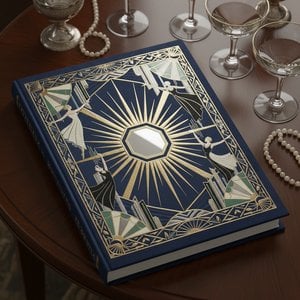
Discover the allure of Art Deco through a curated guide to its most iconic masterpieces. Explore the elegance of Erté and the innovation of Jean Dunand, perfect for collectors seeking timeless glamour and sophisticated design inspiration.

Explore the profound mystery of Metaphysical Art. Delve into the philosophical depths of Giorgio de Chirico’s dreamscapes and discover how this enigmatic movement redefined reality through unsettling beauty and classical symbolism.

 წინასწარი ნახვა
 გაგზავნა
 გაზიარება
 დეტალები

 ჩამოტვირთვა
 მსგავსები
 რენტგენოგრაფიული კვლევა
 სლაიდშოუ

 გადასართად დაწვრილებით ნახეთ







 მინის ჩარჩოს არჩევანი ხელმისაწვდომია მხოლოდ 110 სმ-ზე ნაკლები ზომისთვის


