წინასწარი ნახვა AR წინასწარი ნახვა გადართვა ბეჭდზე შეიძინეთ ხელით შესრულებული ნახატი გაგზავნა
დეტალები გზამკვლევი დამატება ფავორიტებში ჩამოტვირთვა მსგავსები რენტგენოგრაფიული კვლევა სლაიდშოუ სტატისტიკა

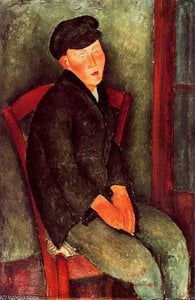
Self Portrait

Experience Giorgio de Chirico’s enigmatic ‘Self Portrait,’ a captivating dreamscape painting from 1911 showcasing a thoughtful man contemplating time and space through a window, embodying the artist's unique surrealist style – discover this iconic artwork.

გაითვალისწინებათ მეგობრებო და შემოქმედებით სხეპს და ბიოგრაფიას გქავნათ გიორგი დე ჩირიკოს შესახებ და შეამოწმეთ პლუს მიმდინარე ინფორმაცია და შემოქმედებით სხეპს და ბიოგრაფიას გქავნათ გიორგი დე ჩირიკოს შესახებ და შეამოწმეთ პლუს მიმდინარე ინფორმაცია და შემოქმედებით სხეპს და ბიოგრაფიას გქავნათ გიორგი დე ჩირიკოს შესახებ და შეამოწმეთ პლუს მიმდინარე ინფორმაცია და შემოქმედებით სხეპს და ბიოგრაფიას გქავნათ გი

შეიძინეთ მაღალი რეზოლუციის, გაუმჯობესებული ციფრული გამოსახულება, რომელიც ხარისხით ბევრად აღემატება ონლაინ წინასწარ ნახვას.

თითოეულ ფაილს ჩვენი შიდა სპეციალისტები საგულდაგულოდ ამზადებენ თანამედროვე ინსტრუმენტებისა და პროფესიონალური რეტუშირების გამოყენებით. ჩვენ უზრუნველყოფთ, რომ თითოეულ გამოსახულებას ჰქონდეს გამორჩეული სიცხადე, ფერების ზუსტი გადაცემა და დეტალიზაცია.

დასრულებული ფაილი ელექტრონული ფოსტით 72 საათში გიგზავნით; იგი ოპტიმიზებულია პროფესიონალური, რედაქციული და პოლიგრაფიული გამოყენებისთვის. ეს არის ისეთივე ხარისხი, რომელსაც წამყვანი დიზაინ-სტუდიები, გამომცემლობები და გალერეები ენდობიან.

ციფრული გამოსახულება

ჩამოტვირთეთ მაღალი გარჩევადობის ფაილი პირადი გამოყენებისთვის, დასაბეჭდად და შემოქმედებითი პროექტებისთვის. ( გადართვა ბეჭდზე შეიძინეთ ხელით შესრულებული ნახატი)

საბოლოო ფასი

R$ 128.25

ყოველ ციფრულ გამოსახულების შეკვეთაში შედის

ექსპერტული ციფრული მიწოდება, გარანტირებული

როდესაც ირჩევთ WahooArt.com-ს, თქვენ მხოლოდ სურათს კი არ იღებთ, არამედ იღებთ პროფესიონალურად დამუშავებულ ციფრულ ნამუშევარს, რომელიც შექმნილია უზადო სიზუსტით და დაცულია კმაყოფილების გარანტიით. თქვენს შეკვეთას ავტომატურად მოჰყვება შემდეგი:

shipping_icon
სწრაფი მიწოდება ელექტრონული ფოსტით

თქვენს მაღალი რეზოლუციის ციფრულ გამოსახულებას ელექტრონული ფოსტით შეკვეთის დაწყებიდან 72 საათში მიიღებთ — ის მზად იქნება დაუყოვნებლივი გამოყენებისთვის.

canvas_icon
AI-ით გაუმჯობესებული ციფრული ფაილი

თქვენი ხელოვნების ნიმუშები პროფესიონალურად არის ოპტიმიზებული მოწინავე AI ინსტრუმენტებისა და მექანიკური რედაქტირების მეშვეობით, რაც უზრუნველყოფს მაქსიმალურ დეტალიზაციას, სიცხადესა და ფერების სიზუსტეს.

insurance_icon
ციფრული გამოსახულებების უფასო სამუდამო ხელახალი მიღება

ფაილი შემთხვევით წაიშალა ან დაკარგეთ? ნუបედავთ — ჩვენ მას ნებისმიერ დროს, უფასოდ ხელახლა გამოგეგზავნით.

tax_icon
იმპორტის გადასახადების გარეშე — ყოველთვის

ჭიდად ისიამოვნეთ თქვენი ნამუშევრით მყისიერად, საბაჟო გადასახადის, მოსაკრებლის ან მიწოდების ხარჯის გარეშე - ციფრული ჩამტვირთვისას ყოველთვის საგადასახადო თავისუფლებაა.

color_icon
ფერების სიზუსტის გარანტია

პროფესიონალური ინსტრუმენტებისა და ფერების მართვის სისტემის გამოყენებით, ჩვენ უზრუნველყოფთ, რომ თქვენი ციფრული გამოსახულება მაქსიმალურად ზუსტად ასახავდეს ორიგინალურ ფერებს.

return_icon
კმაყოფილების 100-დღიანი გარანტია

თუ თქვენ არ დაკმაყოფილებული ხართ თქვენი ციფრული გამოსახულებით, ჩვენ შევიტანთ მასში ცვლილებებს ან დაგიბრუნებთ 100% თანხას 100 დღის განმავლობაში - ყოველგვარი კითხვის დასმევის გარეშე.

guarantee_icon
100% თანხის დაბრუნების გარანტია

არ არის კმაყოფილი? მიიღეთ სრული თანხის დაბრუნება ციფრული ფაილის მიღებიდან 100 დღის განმავლობაში — ყოველგვარი დამატებითი კითხვების გარეშე.

discount_icon
ფასდაკლება დიდი რაოდენობით შეკვეთაზე

შეიძინეთ 3 გამოსახულება და მიიღეთ 10% ფასდაკლება - შეიძინეთ 5 და მიიღეთ 15% ფასდაკლება - შეიძინეთ 10+-ზე და მიიღეთ 20% ფასდაკლება. იდეალურია კრეატიული პროექტებისთვის, გალერეებისა და სააგენტოებისთვის.

მოკლე ინფორმაცია

  • Artistic style: Metaphysical Art
  • Title: Self Portrait
  • Notable elements: Clock, boat view
  • Artist: Giorgio de Chirico
  • Subject or theme: Self-reflection
  • Influences:
    • Böcklin
    • Klinger
    • Nietzsche

A Portrait of Disquiet: De Chirico’s ‘Self Portrait’ (1911)

Giorgio de Chirico's “Self Portrait,” painted in 1911, is not merely a depiction of an artist; it’s a meticulously crafted evocation of the anxieties and intellectual currents that defined the early years of modernism. This striking image, rendered with a precision born from his training in Athens and honed further in Munich, immediately arrests the viewer with its unsettling stillness. The subject, a man with a thoughtful gaze framed by spectacles and a neatly trimmed beard, stands before a window, lost in contemplation. His clasped hands suggest a profound introspection, while the distant look in his eyes hints at a world beyond immediate perception – a key element of de Chirico’s artistic vision.

The Genesis of Metaphysical Painting

Created during a pivotal moment in art history, “Self Portrait” exemplifies de Chirico's emergence as a leading figure in the movement he termed "metaphysical painting." Influenced profoundly by the philosophical writings of Nietzsche and Schopenhauer, de Chirico sought to depict not reality as it appears, but rather the subjective experience of reality – the unsettling feeling that lies beneath the surface of everyday life. This is achieved through a deliberate manipulation of perspective, scale, and atmosphere, creating an almost dreamlike quality. The painting’s power resides in its ability to evoke a sense of unease and disorientation, mirroring the anxieties of a rapidly changing world.

  • Technique: De Chirico masterfully employs oil paint with a meticulous attention to detail, particularly evident in the rendering of textures – the fabric of the man’s clothing, the glass of his spectacles, and the weathered surface of the wall.
  • Composition: The use of receding planes and ambiguous spatial relationships is central to the work's impact. The window acts as a portal, drawing the viewer into an indeterminate space, while the clock on the wall subtly reinforces the theme of time’s relentless passage and its potential for distortion.

Symbolism and the Fragmented Self

Beyond its technical brilliance, “Self Portrait” is laden with symbolic meaning. The boat glimpsed through the window – a recurring motif in de Chirico’s work – represents both escape and entrapment, suggesting a yearning for freedom intertwined with an awareness of confinement. The man's pose itself speaks to themes of isolation and alienation, reflecting the artist’s own feelings about his place in the world. The overall effect is one of psychological depth, inviting viewers to confront their own anxieties and uncertainties.

Historical Context and Lasting Influence

Painted in 1911, “Self Portrait” predates de Chirico’s later association with the Surrealists, yet it anticipates many of their key concerns. It stands as a crucial bridge between early modernism and the dreamlike imagery that would come to define the Surrealist movement. De Chirico's influence can be seen in the works of artists such as René Magritte and Max Ernst, demonstrating the enduring power of his vision. This piece continues to resonate with contemporary audiences, offering a poignant meditation on the nature of perception, identity, and the unsettling beauty of the subconscious.


მხატვრის ბიოგრაფია

A Dreamscape of the Mind: The Life and Art of Giorgio de Chirico

Giorgio de Chirico, born July 10, 1888, in Volos, Greece, to Italian parents—a Genoese mother and a Sicilian father—was an artist whose vision profoundly shaped the landscape of modern art. His formative years were spent absorbing classical influences alongside burgeoning anxieties about the human condition, setting him on a path toward creating what would become known as Metaphysical Art – a genre that continues to fascinate and unsettle audiences today. From his early studies at Athens Polytechnic through his groundbreaking collaborations with Surrealist thinkers like René Magritte and Salvador Dalí, de Chirico’s artistic journey was marked by intellectual rigor and an unwavering commitment to exploring the depths of human consciousness.

Early Influences & Artistic Formation

De Chirico's initial exposure to art began in Munich during his formative years at the Polytechnic, where he encountered the works of Arnold Böcklin and Max Klinger—artists whose evocative landscapes and symbolic imagery instilled within him a fascination for mythology and the subconscious mind. These artists championed the expressive power of suggestion rather than literal representation, mirroring de Chirico’s own desire to capture intangible emotions and psychological states. Simultaneously, he immersed himself in the philosophical currents of his time – particularly the writings of Friedrich Nietzsche, Arthur Schopenhauer, and Otto Weininger – which interrogated fundamental questions about existence, morality, and the nature of reality. Nietzsche's concept of the Übermensch (Superman), Schopenhauer’s pessimism regarding human suffering, and Weininger’s exploration of sexual desire served as intellectual catalysts for de Chirico’s artistic explorations.

The Birth of Metaphysical Art

Around 1909, a singular style began to coalesce from de Chirico's investigations – Metaphysical Art. Rejecting Impressionistic conventions and rejecting the pursuit of objective observation, he embarked on an ambitious endeavor to depict a reality beyond the visible world—a realm where time and space warped according to internal psychological processes. The catalyst for this stylistic revolution arrived during his visit to Florence and Piazza Santa Croce; witnessing the unsettling stillness of the square and encountering mannequins amidst classical architecture sparked his iconic ‘Metaphysical Town Square’ series. These paintings are characterized by elongated shadows, illogical perspectives, and a disconcerting juxtaposition of familiar architectural elements with incongruous figures—creating an atmosphere of profound melancholy and disorientation. De Chirico's meticulous attention to detail – capturing the textures of stone, the subtle gradations of light, and the vacant expressions of his mannequins – underscored his conviction that art could illuminate hidden truths about human experience.

Collaboration & Surrealist Legacy

De Chirico’s artistic vision gained considerable momentum through collaborations with Surrealist thinkers like René Magritte and Salvador Dalí. Recognizing the potential for exploring dreamlike imagery and subconscious symbolism, he embraced Surrealism's techniques of juxtaposition and irrational association—resulting in artworks that challenged conventional perceptions of reality and provoked viewers to confront unsettling psychological dilemmas. His influence extended far beyond Surrealism, impacting later movements such as Magic Realism, which sought to depict everyday life with a heightened sense of mystery and emotional depth. Artists like Magritte and Dalí adopted de Chirico’s stylistic innovations—particularly his use of perspective and symbolic imagery—to craft their own mesmerizing visions of the inner landscape.

A Lasting Influence & Artistic Significance

Giorgio de Chirico died in 1978, leaving behind a legacy as one of the most influential figures in 20th-century art. His pioneering exploration of Metaphysical Art irrevocably altered artistic conventions and ushered in a new era of psychological realism—inspiring generations of artists to grapple with existential anxieties and to reimagine the boundaries between consciousness and unconsciousness. De Chirico’s paintings continue to resonate powerfully with audiences today, prompting contemplation on themes of solitude, memory, and the elusive nature of truth. His unwavering dedication to craftsmanship and his profound understanding of human psychology cemented his place as a visionary artist whose work transcends time—reminding us that art possesses the capacity to illuminate the deepest recesses of our minds and to transform our perception of the world around us.
Giorgio დე ჩირიკო

Giorgio დე ჩირიკო

1888 - 1978 , საბერძენი საქართველო

მოკლე ინფორმაცია

  • Artistic Movement Or Style: მეტაფიზიკური ხელოვნება
  • Artists Who Influenced This Artist:
    • არნოლ্ড ბოಕ್ლินი
    • მ্যাক კლინგი
    • ფრიドリხ ნიცშე
  • Date Of Birth: 10 ივლისი 1888 წელი
  • Date Of Death: 1978 წელი
  • Full Name: Giorgio de Chirico
  • Nationality: იტალიელი
  • Notable Artworks:
    • ფიქცის დაღმაყოფა
    • გზავნილი დღევანდელი დილა
    • სიყვარულის სიმღერა
  • Place Of Birth: Волос, Греция