უფასო ხელოვნების კონსულტაცია

x
ნაბეჭდის შეძენა ნაბეჭდის შეძენაგამოსახულების შეძენა გამოსახულების შეძენა გაგზავნაგაგზავნა
DetailsDetails დამატება ფავორიტებში დამატება ფავორიტებში ჩამოტვირთვაჩამოტვირთვა მსგავსებიმსგავსები X-RayX-Ray სლაიდშოუსლაიდშოუ

Poem

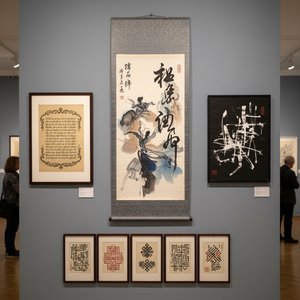
Experience Gesshū Sōko’s ‘Poem,’ a stunning Japanese calligraphy piece featuring aged paper, gold leaf & Chinese verses. A timeless work reflecting Zen Buddhist philosophy and artistic mastery.

Gesshu Sōko (1618-1696) was a Japanese Zen Buddhist teacher & calligrapher. Revitalizing the Sōtō school, he’s known for his poetry and profound reflections on life & death.

ხელით ნაკვეთი ზეთის ტილოს რეპროდუქცია

ტილოზე შესრულებული ფერწერიანი ზეთប្រდათი, თქვენთვის სასურველი ზომისა და ჩარჩოსთვის, ჩვენი ხელოვანების მიერ შეკვეთის საფუძველზე დამზადებული.

Standard
custom
CM
INCH

აირჩიეთ ჩვენს მიერ წინასწარ განსაზღვრული ზომებიდან, რომლებიც ნაწარმოების ორიგინალურ პროპორციებს შეესაბამება.

სიგანე
სიმაღლე

თქვენ შეგიძლიათ მიუთითოთ თქვენთვის სასურველი ზომები კონკრეტული ჩარჩოს ან სივრცის შესაბამისად. თუ თქვენ მიერ არჩეული ზომა არ შეესაბამება ორიგინალი გამოსახულების პროპორციებს, ჩვენ ან შევაჭრებთ ნაწარმოებს, ან ტილოზე დავამატებთ ხელით მოხატულ ელემენტებს. წარმოების დაწყებამდე, დამტკიცებისთვის გამოგეგზავნებათ ციფრული მაკეტი.
გთხოვთ, გაითვალისწინოთ, რომ ეკრანზე ნაჩვენები წინასწარი შეხედულება არ ასახავს რეალურ შეჭრას ან გაფართოებას. საბოლოო კომპოზიციას ზუსტად მხოლოდ მაკეტი წარმოაჩენს.
მიუხედავად იმისა, რომ შესაძლებელია ინდივიდუალური ზომების შერჩევა, ორიგინალური პროპორციების შენარჩუნებისათვის გირჩევთ, გამოიყენოთ წინასწარ განსაზღვრული სიის ზომები.

რა შეიძლება შეიცვალოს: სახის ჩანაცვლება მომხმარებლის ფოტოთი; შინაური ცხოველის დამატება (მაგ., კატის ჩანაცვლება ძაღლით); ფონზე ფარული შეტყობინების დამატება; ფონის პეიზაჟის ან ელემენტების შეცვლა.
შეკვეთის შემდეგ, WahooArt.com გუნდი დაგიკავშირდებათ ელექტრონული ფოსტით ინსტრუქციებისთვის და გამოგიგზავნით წინასწარ ნახაზს (mockup).

მიწოდება მსოფლიო მასშტაბით -ში 3/4 კვირაში, სტანდარტული 5 კვირის ნაცვლად. (1 ივლისი). ხარისხზე კომპრომისის გაკეთება არ მოხდება.

why_choose_icon
უფასო ექსპრეს მიწოდება მთელ მსოფლიოში
why_choose_icon
საბამად მაღალი ხარისხის ტილო
why_choose_icon
სრული ტრანსპორტირების დაზღვევა
why_choose_icon
საბაჟო გადასახადების დაბრუნების გარანტია
why_choose_icon
ფერების სრული შესაბამისობის გარანტია
why_choose_icon
60-დღიანი დაბრუნების პოლიტიკა (მხოლოდ დეფექტის შემთხვევაში)
why_choose_icon
100% თანხის დაბრუნების გარანტია
why_choose_icon
ფასდაკლება დიდი რაოდენობით შეკვეთისას

ჯამური ღირებულება

-

reproduction

Poem

რეკლამაციის ტექნიკა

რეკლამაციის ზომა

-

საბოლოო ფასი

-

დაკავშირებული ნამუშევრები


მხატვრის ბიოგრაფია

A Life Dedicated to Zen: The World of Gesshū Sōko

Gesshū Sōko, born in Hizen Province, Japan, in 1618 and passing away in 1696, was far more than simply a calligrapher or poet. He embodied the spirit of Zen Buddhism as both a dedicated teacher within the Sōtō school and a pivotal figure in its reformation during the Edo period. His life unfolded against a backdrop of evolving religious practices and societal shifts, and he navigated these complexities with a profound commitment to his faith and artistic expression. While many artists leave behind a tangible body of work—paintings, sculptures, or architectural marvels—Sōko’s legacy is largely found in the revitalization of monastic codes and the deeply personal reflections captured within his calligraphy and poetry.

Early Life and Zen Training

Details surrounding Sōko's early life remain somewhat elusive. However, it is known that he embarked on a rigorous path of Zen training, initially under teachers associated with the lesser-known ōbaku school—a branch of Zen originating from China. This exposure to a more strictly monastic approach would profoundly shape his later efforts within the Sōtō tradition. The ōbaku school’s emphasis on disciplined practice and direct experience likely instilled in him a desire for clarity and authenticity, qualities that permeate both his teachings and artistic endeavors. He wasn't content with merely preserving existing traditions; he sought to refine them, stripping away perceived excesses and returning to the core principles of Zen.

The Revitalizer of Sōtō Monasticism

Sōko’s most significant contribution lay in his reformation of the Sōtō monastic codes. By the 17th century, some aspects of the Sōtō school had become diluted or overly ritualized. Recognizing this, he undertook a systematic effort to restore the original spirit of *zazen* (seated meditation) and emphasize the importance of direct personal realization. This wasn’t a revolutionary upheaval but rather a careful recalibration—a return to foundational principles. For his dedication to this cause, Sōko earned the fitting title “The Revitalizer.” He believed that true understanding arose not from intellectual study alone, but from immersive practice and unwavering self-reflection.

Calligraphy as Spiritual Practice

Central to understanding Gesshū Sōko is recognizing his calligraphy not merely as an artistic skill, but as a direct extension of his Zen practice. Each brushstroke was imbued with intention, each character a manifestation of his meditative state. His works are characterized by their simplicity and elegance—a deliberate rejection of ostentation in favor of profound clarity. He frequently employed Chinese verses alongside Japanese script, reflecting the deep historical connections between Zen Buddhism and Chinese culture. A particularly striking example is his piece titled ‘Poem,’ which showcases aged paper and gold leaf, creating a timeless work that invites contemplation on life’s impermanence and the beauty found within transience.

Poetry and Reflections on Life and Death

Beyond calligraphy, Sōko was a gifted poet whose verses offer poignant insights into the Zen worldview. His most famous poem, often referred to as his death poem, encapsulates the essence of his teachings:

Inhale, exhale
Forward, back
Living, dying:
Arrows, let flown each to each
Meet midway and slice
The void in aimless flight—
Thus I return to the source.

This poem is not a lament for mortality, but rather an acceptance of it as an integral part of existence. The imagery of arrows meeting and slicing through the void speaks to the fleeting nature of life and the ultimate liberation found in surrendering to the present moment. It’s a testament to his ability to distill complex philosophical concepts into concise, evocative language. His passing of Dharma transmission to Manzan Dōhaku further solidified his legacy, ensuring the continuation of Sōtō Zen's revitalized spirit for generations to come.

gesshū sōko

gesshū sōko

1618 - 1696 , Japan

მოკლე ინფორმაცია

  • Artistic Movement Or Style: Zen Calligraphy, Poetry
  • Artists Or Movements Influenced By This Artist: ['Manzan Dōhaku']
  • Date Of Birth: 1618
  • Date Of Death: 1696
  • Full Name: Gesshū Sōko
  • Nationality: Japanese
  • Notable Artworks: ['Poem']
  • Place Of Birth: Hizen Province, Japan