


მუზეუმის დონის ჟიკლე ან ტილოზე ბეჭდვა სწრაფი წარმოებისა და დასრულების მოქნილი ვარიანტებით. ( შეიძინეთ ხელით შესრულებული ნახატი გადართვა ციფრულ გამოსახულებაზე)





























აირჩიეთ ჩვენს მიერ წინასწარ განსაზღვრული ზომებიდან, რომლებიც ნაწარმოების ორიგინალურ პროპორციებს შეესაბამება.

შეიყვანეთ თქვენთვის საჭირო სიგანე და სიმაღლე, რათა გამოსახულებამ თქვენს ჩარჩოს ან კედელს ზუსტად მოერგოს. ბეჭდვისას შესაძლებელია მხოლოდ მისი შემცირება და არა გაზრდა, ამიტომ სხვა ფორმის ზომის შემთხვევაში სურათი ნაწილობრივ იკარგება. სანამ რაიმეს დაბეჭდავთ, ჩვენ გამოგიგზავნით ციფრულ მაკეტს დასდასტურებლად. ამ გვერდზე ნაჩვენები სურათი არ ასახავს რეალურ ჭრას — ამას მხოლოდ მაკეტი გვიჩვენებს.
მიწოდება მთელ მსოფლიოში () 2 კვირაში, სტანდარტული 4/5 კვირის ნაცვლად. (8 ნოემბერი)
Self-Portrait
რეპროდუქციის ზომა
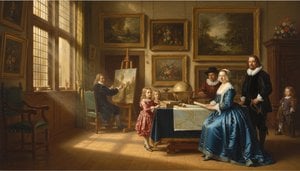
In the quiet, amber-hued corridors of the Dutch Golden Age, few artists commanded the viewer's gaze with as much intimacy and precision as Gerrit Dou. His Self-Portrait is not merely a likeness of the man, but a profound meditation on the act of seeing itself. As a leading figure of the Leiden fijnschilders—the "fine painters"—Dou dedicated his life to an almost superhuman pursuit of detail, and this work serves as a breathtaking manifesto of that devotion. The painting presents the artist seated within a darkened niche, a compositional choice that creates a trompe l'oeil effect, making it feel as though we are peering through a literal window into his private world. This sense of depth and voyeurism invites the observer to step closer, bridging the centuries between the seventeenth-century studio and the modern collector’s eye.
The technical execution of this masterpiece is nothing short of extraordinary. Dou utilizes the technique of glazing—applying thin, translucent layers of oil paint over opaque underlayers—to achieve a luminous, skin-like texture and a palpable sense of atmosphere. The interplay of light and shadow, or chiaroscuro, is masterfully orchestrated; a soft, directional light illuminates the artist’s face and the objects before him, while the surrounding shadows recede into a mysterious, velvety gloom. This dramatic contrast does more than showcase his skill; it heightens the emotional weight of the scene, casting the artist in a state of quiet, dignified contemplation that resonates with anyone who appreciates the beauty of stillness.
Beyond the surface level of technical perfection, every element within this composition is steeped in symbolic meaning. Resting upon the table before Dou is an open book, a silent testament to the intellectual rigor and humanist ideals that permeated the Dutch Republic. Beside it, a pipe emits a delicate wisp of smoke—a fleeting, ephemeral element that serves as a memento mori, reminding the viewer of the transient nature of life and the inevitabilities of time. This theme is further reinforced by the presence of two clocks adorning the walls, their steady presence anchoring the scene in a temporal reality where every second is precious.
For the discerning interior designer or art enthusiast, this painting offers much more than aesthetic pleasure; it provides a narrative anchor for a room. The dark, rich tones and the formal attire of the subject lend an air of classical sophistication, making it an ideal centerpiece for a study, a library, or a curated gallery wall. It is a work that demands attention through its subtlety rather than through loudness, offering a sense of historical gravity and intellectual depth. To possess a reproduction of this caliber is to bring a piece of the Dutch Golden Age into the contemporary home, fostering an environment of reflection, prestige, and timeless elegance.
თავსებად მოწყობილობაზე თავსდამხვევი რეალობის გამოყენებით, შეგიძლიათ ნახოთ გერიტ დუ-ის „Self-Portrait“ თქვენს საკუთარ კედელზე, ნამუშევრის AR წინასწარი ნახვა გვერდის მეშვეობით.
გერიტ დუ-ის „Self-Portrait“-ში წარმოდგენილი თემები მოიცავს dutch golden age, self-portraiture, chiaroscuro technique, pipe smoking, book reading, interior scene, candlelight composition, baroque art-ს, რაც ერთობლიობაში ასახავს ნამუშევრის შინაარსს.
გერიტ დუ-ის „Self-Portrait“ კლასიფიცირებულია როგორც WallArt. ეს კატეგორია აღწერს ნამუშევრის ტიპს, რომელსაც ორიგინალი წარმოადგენს.


1613 - 1675 , ნიდერლანდები

Explore the profound mastery of light and shadow in Dutch Golden Age paintings. From Rembrandt's dramatic chiaroscuro to serene landscapes, discover the techniques that defined an era of art history and learn how these timeless masterpieces are preserved for modern collectors.

Explore the dramatic mastery of Dutch Baroque art. Discover how chiaroscuro and light define the Golden Age, from Rembrandt's shadows to maritime grandeur. Perfect for classic art enthusiasts seeking deep historical insight and inspiration.

Embark on a sophisticated journey through the Dutch Golden Age. Unveil the dramatic brilliance of Rembrandt’s chiaroscuro and the expressive landscapes of 17th-century masters in this authoritative exploration of light, shadow, and enduring artistic legacy.
Embark on a journey through the Dutch Golden Age. Discover how masters like Rembrandt and Vermeer used chiaroscuro to manipulate light and shadow, creating timeless depth and spiritual resonance in art history's most captivating masterpieces.
 წინასწარი ნახვა
 გაგზავნა
 გაზიარება
 დეტალები
 გზამკვლევი

 ჩამოტვირთვა
 მსგავსები
 რენტგენოგრაფიული კვლევა
 სლაიდშოუ
 კითხვა-პასუხი
 სტატისტიკა


 გააგრძელეთ კითხვა









 მინის ჩარჩოს არჩევანი შესაძლებელია მხოლოდ 110 სმ-მდე ზომისთვის


