უფასო ხელოვნების კონსულტაცია

x
სურათის შეძენა სურათის შეძენაგამოსახულების შეძენა გამოსახულების შეძენა გაგზავნაგაგზავნა
დეტალებიდეტალები დამატება ფავორიტებში დამატება ფავორიტებში ჩამოტვირთვაჩამოტვირთვა მსგავსებიმსგავსები რენტგენოგრაფიული კვლევარენტგენოგრაფიული კვლევა სლაიდშოუსლაიდშოუ

Untitled

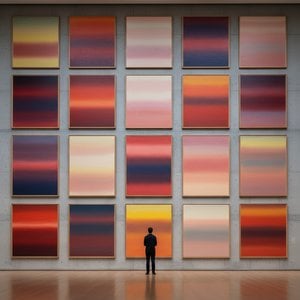
Experience the vibrant energy of Gerhard Richter's 'Untitled' (1987). This abstract expressionist piece bursts with color and texture, showcasing the master's unique blurred motion technique. A captivating addition to any art collection.

გერმან კრიტერი არის გერმანიის უმაღლესი მხატვარი და მისი ნაწილი მუშაობა შეადგენს ფოტო რეალიზმის და აბსტრაქტული სტილის ძლიერად განვითარებასთან ერთად და კაპიტალისტური რეალიზმის კონცეფციასთან და პლატონოს სტილის მქონე ფანტაზიურ ნაწილი მუშაობასთან და შეადგენს თანამედროვე ხელოვნებაში მნიშვნელოვანი გავლენის მქონე მუსა.

გიკლე / ხელოვნების პრინტი

მუზეუმის დონის ჟიკლე ან ტილოზე ბეჭდვა სწრაფი წარმოებისა და დასრულების მოქნილი ვარიანტებით.

P118B $10
P118H $10
P118W $10
P438Z $10
P508JH $12
P508YH $12
P805H $10
P805Z $10
P919BZ $10
P919G $10
P919XJ $10
P959ZH $10
P968JZ $12
W106C $8
W218G $10
W218JH $8
W218Y $10
W307PJ $10
W316G $10
W316PJ $8
W316Y $10
W398PJ $8
W4111J $10
W500HY $15
W500JH $15
W692G $12
W849H $8
W940BG $15
W953PJ $8

Standard
custom
CM
INCH

აირჩიეთ ჩვენს მიერ წინასწარ განსაზღვრული ზომებიდან, რომლებიც ნაწარმოების ორიგინალურ პროპორციებს შეესაბამება.

სიგანე
სიმაღლე

თქვენ შეგიძლიათ მიუთითოთ საკუთარი ზომები კონკრეტული ჩარჩოსთვის ან სივრცისთვის მოსარგებლებლად. თუ თქვენ მიერ არჩეული ზომა არ შეესაბამება ორიგინალი გამოსახულების პროპორციებს, ჩვენ ან დავჭრით ნამუშევარს, ან გავაფართოვებთ გამოსახულებას სარკული ან ერთფეროვანი კიდეებით. წარმოების დაწყებამდე თქვენს დასამტკიცებლად გამოგეგზავნებათ ციფრული მაკეტი.
გთხოვთ, გაითვალისწინოთ, რომ ეკრანზე ნაჩვენები წინასწარი ნახვა არ ასახავს რეალურ ჭრას ან გაფართოებას. მხოლოდ მაკეტზე იქნება ზუსტად წარმოდგენილი საბოლოო კომპოზიცია.

მიუხედავად იმისა, რომ ინდივიდუალური ზომები ხელმისაწვდომია, ორიგინალური პროპორციების შესანარჩუნებლად გირჩევთ, აირჩიოთ ზომა წინასწარ განსაზღვრული სიისგან.

მიწოდება მთელ მსოფლიოში () 2 კვირაში, სტანდარტული 4/5 კვირის ნაცვლად. (5 ივლისი)

why_choose_icon
უფასო ექსპრეს მიწოდება მთელ მსოფლიოში
why_choose_icon
საბამად მაღალი ხარისხის ტილო
why_choose_icon
სრული ტრანსპორტირების დაზღვევა
why_choose_icon
საბაჟო გადასახადების დაბრუნების გარანტია
why_choose_icon
ფერების სრული შესაბამისობის გარანტია
why_choose_icon
60-დღიანი დაბრუნების პოლიტიკა (მხოლოდ დეფექტის შემთხვევაში)
why_choose_icon
100% თანხის დაბრუნების გარანტია
why_choose_icon
ფასდაკლება დიდი რაოდენობით შეკვეთისას

ჯამური ღირებულება

-

reproduction

Untitled

გიკლე / ხელოვნების პრინტი

რეკლამაციის ზომა

-

საბოლოო ფასი

-

მოკლე ინფორმაცია

  • Movement: Abstract Expressionism
  • Artist: Gerhard Richter
  • Artistic style: Abstract
  • Title: Untitled
  • Notable elements or techniques: Vibrant colors, scraped paint

ხელოვნების ტესტი

თითოეულ კითხვაზე მხოლოდ ერთი სწორი პასუხია.

კითხვა 1:
In what year was this untitled painting by Gerhard Richter created?
კითხვა 2:
Based on the image description, what are the dominant colors in Richter's 'Untitled'?
კითხვა 3:
Gerhard Richter is known for a diverse range of styles. What artistic movement is this painting most closely associated with?
კითხვა 4:
According to the provided information, what is a notable characteristic of Richter's early life?
კითხვა 5:
What is mentioned about this specific 'Untitled' painting on the SFMOMA custom prints website?

საკლექციო აღწერა

A Symphony of Color and Emotion: Exploring Gerhard Richter’s Untitled (1987)

Gerhard Richter's *Untitled* from 1987 is not merely a painting; it’s an encounter with pure sensation, a visual articulation of the complex emotional landscape that defines much of his oeuvre. Executed in oil on canvas, this abstract work explodes with a vibrant energy born from the collision of reds, yellows, and blues. The composition isn't one of deliberate form or recognizable imagery, but rather a dynamic interplay of color fields, scraped surfaces, and layered textures. It’s a testament to Richter’s mastery of manipulating paint – not as a means to represent reality, but as a material with its own inherent expressive power. The painting invites the viewer into an intimate space where color becomes the primary language, bypassing narrative in favor of direct emotional resonance. The dominance of red, punctuated by bursts of yellow and cool accents of blue, creates a sense of both urgency and depth, hinting at underlying tensions and unresolved energies.

The Abstract Expressionist Dialogue

Richter’s *Untitled* emerges from a rich historical context deeply rooted in the traditions of abstract expressionism, yet simultaneously transcends easy categorization. While echoes of artists like Jackson Pollock and Mark Rothko can be discerned – particularly in the gestural application of paint and the emphasis on large-scale color fields – Richter imbues his work with a distinctly contemporary sensibility. He doesn’t seek to replicate the heroic gestures or spiritual aspirations often associated with Abstract Expressionism; instead, he interrogates its very foundations. The scraping and layering techniques, almost violent in their execution, suggest a deliberate dismantling of traditional painterly conventions. This approach reflects Richter's broader artistic project: a constant questioning of representation, perception, and the nature of truth itself. The year 1987 was a pivotal moment for Richter, as he continued to explore abstract forms while simultaneously engaging with photographic realism, demonstrating his remarkable versatility and intellectual rigor.

Technique as Revelation

What truly sets Richter’s work apart is his innovative technique. He doesn't simply apply paint to the canvas; he *works* the surface, using squeegees, knives, and other tools to drag, scrape, and blend colors together. This process isn’t about achieving a polished or refined finish; it’s about revealing the inherent qualities of the material itself. The resulting textures are rich and complex, creating a sense of depth and movement that draws the viewer in. The layers of paint build up over time, obscuring and revealing underlying colors, suggesting a history embedded within the surface of the canvas. This technique also introduces an element of chance and unpredictability into the process, allowing the painting to evolve organically. It’s a method that emphasizes the physicality of painting – the act of applying pigment to a surface – while simultaneously challenging traditional notions of authorship and control.

Emotional Resonance and Interior Spaces

The emotional impact of *Untitled* is profound. The vibrant colors evoke feelings of energy, passion, and even turmoil, while the abstract forms allow for multiple interpretations. It’s a painting that doesn't dictate meaning but rather invites viewers to project their own emotions and experiences onto its surface. For interior designers, this work presents an exciting opportunity to create focal points within a space. The bold colors and dynamic composition can energize a room, adding depth and visual interest. Its abstract nature allows it to complement a wide range of styles, from minimalist modern interiors to more eclectic and bohemian spaces. A high-quality reproduction of *Untitled* would serve not just as an aesthetic addition but as a conversation starter—a powerful statement piece that reflects a sophisticated appreciation for art history and contemporary expression.

დაკავშირებული ნამუშევრები


მხატვრის ბიოგრაფია

A Life Shaped by Division: The Early Years and Artistic Formation of Gerhard Richter

Gerhard Richter’s artistic journey began in Dresden, Germany, amidst the turbulent backdrop of postwar Europe and the looming shadow of Soviet influence. Born on February 9, 1932, his childhood was profoundly impacted by displacement – his family repeatedly relocated during the Nazi era and subsequently under communist rule—experiences that instilled within him a fundamental preoccupation with uncertainty and questioning. The idyllic landscapes of Reichenau and Waltersdorf, initially formative environments for his artistic sensibilities, dissolved into conflict as Dresden endured siege during World War II, leaving indelible scars on his psyche. His father, Wilhelm Richter, was a schoolteacher who navigated the complexities of life under authoritarian pressure, while his mother, Marianne Richter, nurtured a love for literature and music within their household—a duality that would become a defining characteristic of Richter’s own artistic worldview. Early Artistic Training: Socialist Realism's Constraints Richter commenced formal training at Dresden Academy of Fine Arts in 1951, initially immersing himself in the stylistic conventions demanded by socialist realism – the dominant aesthetic ideology of East Germany. Despite this initial engagement with a prescribed artistic framework, Richter harbored an unwavering desire for creative freedom—a yearning fueled by dissatisfaction with ideological dogma and longing to explore more expansive expressive horizons. He recognized that true artistic innovation necessitated breaking free from imposed limitations, embarking on a period of intense experimentation that would shape his formative years. This early training instilled in him a meticulous attention to detail and a disciplined approach to technique—skills that would prove invaluable throughout his subsequent career. The Düsseldorf Breakthrough: Embracing Experimentation and Dissidence A pivotal moment arrived in 1961 when Richter, alongside Marianne Eufinger, courageously fled East Germany, seeking refuge in the vibrant artistic milieu of Düsseldorf – a city renowned for its avant-garde traditions and welcoming spirit. This decisive relocation marked a radical transformation in his artistic trajectory—a liberation from ideological constraints that empowered him to pursue uncharted creative territories. Düsseldorf became Richter’s crucible of innovation, where he encountered a community of artists grappling with existential questions and challenging established aesthetic norms. He swiftly dismantled the rigid stylistic conventions of socialist realism, embracing experimentation as a cornerstone of his artistic practice. This era witnessed him oscillating between seemingly disparate approaches—from photorealism, painstakingly recreating photographic images with astonishing precision—to abstract compositions characterized by bold colors and dynamic brushstrokes. Photorealism's Paradox: Truth and Illusion Revisited Richter’s fascination with photorealism stemmed from a profound engagement with the complexities of visual perception—a conviction that art could illuminate the elusive nature of reality itself. He meticulously rendered photographic images with an almost clinical detachment, forcing viewers to confront the inherent ambiguity of photographic truth. Yet, Richter recognized that mere replication was insufficient; he sought to interrogate the very process of representation—to explore how images convey meaning and evoke emotion. His technique involved painstakingly transferring photographic prints onto canvases, applying thin layers of paint with meticulous precision—a process that demanded unwavering concentration and technical mastery. This approach wasn’t about capturing a fleeting moment in time but rather about distilling its essence—about transforming visual information into an enduring artistic statement. Beyond Photorealism: Embracing Chance and Expanding Artistic Vocabulary While photorealism remained a central element of Richter's artistic repertoire, he relentlessly pursued broader explorations of stylistic possibilities—embracing abstraction as a counterpoint to photographic realism. He experimented with techniques ranging from squeegee printing—a method utilizing tools typically employed for window cleaning—to layering pigments onto canvases in unpredictable ways—allowing chance and spontaneity to guide the creative process. This willingness to relinquish control was not merely an aesthetic preference but rather a philosophical conviction—a belief that artistic innovation thrived on disruption and surprise. Richter’s oeuvre encompasses a remarkable diversity of mediums and styles—from paintings and prints to sculptures and installations—reflecting his unwavering commitment to artistic experimentation and intellectual curiosity. His legacy extends far beyond the confines of individual artworks; it resides in his pioneering spirit—his refusal to conform to conventional expectations—and his enduring influence on generations of artists who have followed in his footsteps.
იგორ ბრიხტერი

იგორ ბრიხტერი

1932 - , გერმანია

მოკლე ინფორმაცია

  • Artistic Movement Or Style:
    • ფოტორეალიზმი
    • ᲐᲑᲡᲢᲠᲐﮐ丅ᲠᲔᲑᲘᲣᲓᲘᲐᲜᲘᲡ მᲐᲡᲢᲔᲠᲘᲡ კᲐᲠᲓᲔᲑᲐ
    • ᲙᲐᲞᲘᲠᲐᲑᲘᲡტი სᲠᲔᲐᲑᲘᲡ მᲐᲡᲢᲔᲠᲘᲡ კᲐᲠᲓᲔᲑᲐ
  • Artists Who Influenced This Artist:
    • პᲐᲑᲐᲓᲘᲡᲘᲙ ოᲙᲔᲠᲔᲑᲐ
    • ᲡᲘᲒᲛᲐᲠ პᲓᲘᲙᲔᲑᲔ
  • Date Of Birth: 9 თებერვალი 1932 წ.
  • Full Name: Gerhard Richter
  • Nationality: გერმანელი
  • Notable Artworks:
    • ᲤᲐᲠᲐᲑᲘᲡტი სქელი 610-1
    • ᲒᲘᲣᲑᲔᲠᲢ”, “Ს. კᲐᲣᲓᲘᲡ ბᲐᲣᲓᲘ”, “ᲙᲐᲞᲘᲠᲐᲑᲘᲡტი სქელი 18, 1977 წ.
  • Place Of Birth: დ레스დენი, გერმანია
აღმოაჩინეთ ხელოვნების ნაწარმოებები თემების, სტილისა და მახასიათებლების მიხედვით დაჯგუფებული.