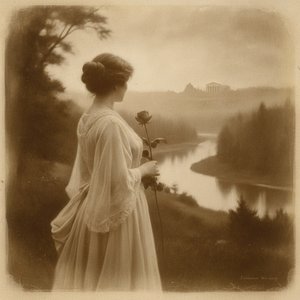
მხატვრის ბიოგრაფია
გაყოფით ფორმირებული ცხოვრება: გერჰარდრიხტერის ადრეული წლები და მხატვრული სარწმუნოება
გერჰარდრიხტერის ისტორია დაუღუძებლად არის დაკავშირებული მე-20 საუკუნის გერმანიის დამსხვრეულ ისტორიასთან. 1932 წელს დრესდენში დაბადებული მოდგლის ბავშვობა აღმავალი ნაციონალ-სოცალისტური რეჟიმის ჩრდილქვეშ განვითარდა. ეს ფორმირების პერიოდი, რომელიც აღსავსე იყო გადაადგილებებით – მისი ოჯახი ომის წლებში რამდენჯერმე იცვლიდა საცხოვრებელს – მასში დაუGLთდა ღრმა გაურკვევლობის შეგრძნება და ეჭვის სული, რაც მომდევნო ათწლეულების მანძილზე მთელ მის შემოქმედებას გაჰყვებოდა. რაიხენაუსა და ვალტერსდორფში მისი ადრეული ბავშვობის იდილიური პეიზაჟები მალე კონფლიქტებმა დაარღვია, რამაც წარუვალት კვალი დატოვა მის ფსიქიკაზე. მამამისი, მიუხედავად იმისა, რომ ნაცისტური პარტიის ენთუზიასტი არ ყოფილა, სკოლის მასწავლებლის როლში გადამែღბულ ავტორიტარულ რეჟიმში ცხოვრების სირთულეებს უმკლავდებოდა, ხოლო დედას, მარიანეს, ოჯახში ლიტერატურისა და მუსიკისადმი სიყვარული შეუმოყვანა. ეს დუალი – გარემოებების პრაგმატული მიღება და ამავდროულად კულტურული თვითგამოხატვის სწრაფვა – გახდა რიხტერის შემოქმედებითი მიდგომის განმსაზღვრელი ნიშანი. მან ფორმალური სწავლება დრესდენის ლამაზ ხელகანში 1951 წელს დაიწყო, თავდაპირველად ჩაფლული სოციალისტური რეალიზმის ტრადიციებში, რომელსაც აღმოსავლეთ გერმანიის სახელმწიფო მოითხოვდა. თუმცა, ამ შემოფარგლულ გარემოშიც კი, ზედაპირს მიღმა მხატვრული თავისუფლების სურვილი დუღდა, რასაც ამძაფრებდა იდეოლოგიური შეზღუდვების მიმართ მზარდი უკმაყოფილება და უფრო ფართო შემოქმედებითი შესაძლებლობების ძიება.
შეზღუდვებისგან თავის დაღწევა: დუსელდორფი და სტილის ძიება
1961 წელი გადამწყვეტი აღმოჩნდა. რიხტერმა, თავის მეუღლესთან, მარიან ევფინგერთან ერთად, თამამი გადაწყვეტილება მიიღო აღმოსავლეთ გერმანიიდან გაქცევაზე, რათა თავი დუსელდორფის მზარდ სამხატვრო სცენას შეესწრებოდა. ამ გადასვლამ რადიკალური ცვლილება მოიტანა მის შემოქმედებით ტრაექტორიაში. დასავლეთ გერმანიის გარემომ შეთავაზა თავისუფალი სივრცე, სადაც ექსპერიმენტები და ინოვაციები არა მხოლოდ დასაშვები, არამედ აქტიურად სტიმულირებადი იყო. დუსელდორფში მან შეხვდა მხატვრების ცოცხალ თემს, რომელიც იდენტობის, რეპრეზენტაციის და ისტორიის მემკვიდრეობის საკითხებს ეჭვობდა. მან სწრაფად დაიწყო სოციალისტური რეალიზმის მკაცრი სტილისტური კონვენციების დაშლა და შეუდგა ინტენსიური ძიების პერიოდს, რომელმაც მისი ადრეული სიმწიფის შემოქმედება განსაზღვრა. ამ ეპოქაში მან აირჩია სხვადასხვა მიდგომები – ფოტორეალიზმიდან, სადაც გასაოცარი სიზუსტით აღადგენდა ფოტოგრაფიულ გამოსახულებებს, აბსტრაქტულ კომპოზიციებამდე, რომლებიც ხასიათდებოდა მკვეთრი ფერებითა და დინამიკური ფუნჯის მონელებით. მისმა თანამშრომლობამ სიგმარ პოლკესთან გამოიწვია ტერმინ „კაპიტალისტური რეტიზმის“ შემოღება – შეგნებულად ბუნდოვანი სახელწოდება, რომელიც ასახავდა მათ საერთო სკეპტიციზმს დამკვიდრებული სამხატვრო ნორმების მიმართ და რეკლამისა თუ მასმედიიდან აღებული იმაგერიის ათვისებას. ეს პერიოდი არ იყო ერთი კონკრეტული სტილის ძიება, არამედ სტილისტური მთლიანობის თავად გააზრების ეჭვქვეშ დაყენება და წინააღმდეგობის მიღება, როგორც ფუნდამენტური პრინციპის აღქმა.
საზღვრების დაბინდვა: ფოტორეალიზმი, აბსტრაქცია და შემთხვევითობის ძალა
რიხტერის მხატვრული ლექსიკა 1960-იან წლებში და მის შემდგომ გაფართოვდა და მოიცვა ტექნიკისა და თემების გასაოცარი არჩევანი. მისი ფოტორეალისტური ტილოები, რომლებიც ხშირად ოჯახურ ფოტოებს ან გაზეთის სურათებს ეფუძნება, არ არის მხოლოდ რეალობის ასლი, არამედ აღქმისა და რეპრეზენტაციის ბუნების კვლევაა. ამ გამოსახულებების თითქმის კლინიკური დეტალიზაციით შესრულებით, იგი მაყურებელს აიძულებს შეეჭიდოს ფოტოგრაფიული სიმართლის თანდაყოლილ ბუნდოვანებას. ამავდროულად, რიხტერი უფრო ღრმად შევიდა აბსტრაქციაში და შექმნა ტილოები, რომლებიც ფერებითა და ჟესტური ნიშნებით არის დაფარული. ეს აბსტრაქტული ნამუშევრები ხშირად იქმნება უნიკალური ტექნიკით, რომელიც მოიცავს სკვიჯებს – ინსტრუმენტებს, რომლებიც ჩვეულებრივ ფანჯრების დასალაგებლად გამოიყენება – რომლითაც იგი ტილოს ზედაპირზე გადაჰყავს და საღებავს არაპროგნოზირებადი გზებით აკეთილებს. შემთხვევითობისა და სპონტანურობის ეს მიღება მისი მხატვრული ფილოსოფიის ცენტრალური ნაწილია, რაც მას საშუალებას აძლევს, უარი თქვას კონტროლზე და დაუშვას მოულოდნელი შედეგები. მისი „ფერების ცხრილები“, ფერადი კვადრატების სისტემატური განლაგება, კიდევ უფრო ეჭვქვეშ აყენებს მხატვრული თვითგამოხატვის ტრადიციულ წარმოდგენებს და თავად ფერწერის დეფინიციასაც კი. ეს ნამუშევრები არ ეხება ინდივიდუალურ ესთეტიკურ პრეფერენციებს, არამედ ფერის თანდაყოლილი თვისებებისა და მისი ორგანიზაციული შესაძლებლობების შესწავლას.
მემკვიდრეობა და გავლენა: თანამედროვე ხელოვნების ოსტატი
გერჰარდრიხტერის გავლენა თანამედროვე ხელოვნებაზე უდავოა. მისი მზაობა, გამოწვევა ছুდათ კონვენციებს, ტექნიკებთან დაუღალავი ექსპერიმენტები და ისტორიულ თუ პოლიტიკურ თემებთან ღრმა ჩართულობა მას ჩვენი დროის ერთ-ერთ ყველაზე მნიშვნელოვან ხელოვანად აქცევს. მან მუდმივად წინააღმდეგობას გაუწია მარტივ კატეგორიზაციას და თავიდან აიცილა მცდელობები, მისი შემოქმედება ერთ სტილისტური ჩარჩოში მოექცია. ამგვარმა უარყოფამ, ტექნიკურ ვირტუოზობასთან და ინტელექტუალურ სიმკაცრესთან ერთად, მოუტანა ფართომასშტაბიანი კრიტიკული აღიარება და კომერციული წარმატება – მისი ტილოები აუქციონებზე რეკორდულ ფასს აღწევენ. თუმცა, ბაზრის ღირებულების მიღმა, უფრო ღრმა მნიშვნელობა იმალება. რიხტერის ხელოვნება საუბრობს თანამედროვე არსებობის სირთულეებზე, ეჭვს აყენებს მეხსიერების, იდენტობისა და ფრაგმენტირებულ სამყაროში აზრის ძიების საკითხებზე. იგი არ გვთავაზობს პასუხებს, არამედ სვამს კითხვებს, რაც მაყურებელს უბიძგებს შეეჭიდოს საკუთარ წინასწარგანწყობებს და ჩაერთოს კრიტიკულ დიალოგში. მისი გავლენა ჩანს უთვალავ ხელოვანის ნამუშევრებში, რომლებიც მის კვალს მიჰყვებიან, შთაგონებულნი მისი ინოვაციური ტექნიკითა და მხატვრული ძიებისადმი მისი ურყევი ერთგულებით. რიხტერის მემკვიდრეობა არ არის მხოლოდ ლამაზი ობიექტების შექმნა; ეს არის თავად ფერწერის შესაძლებლობების გაფართოება. იგი რჩება თანამედროვე ხელოვნების სასიცოცხლო ძალად, რომელიც აგრძელებს აუდიტორიის შთაგონებასა და პროვოკაციას თავისი რთული და ღრმად რეზონანსული შემოქმედებით.



 ნახვა ინტერьерში
 შეიძინეთ ხელით შესრულებული ნახატი
 გაგზავნა
 გაზიარება
 დეტალები
 გზამკვლევი

 ჩამოტვირთვა
 მსგავსები
 რენტგენოგრაფიული კვლევა
 სლაიდშოუ
 სტატისტიკა


 სრული ტექსტის ნახვა






































 მინის ჩარჩოს არჩევანი ხელმისაწვდომია მხოლოდ 110 სმ-მდე ზომისთვის