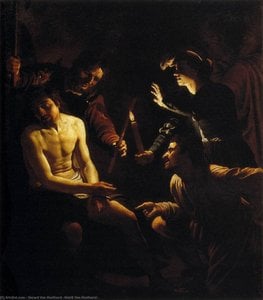
**დაბალთმსხვრევის ჟანრული ფერწერის პიონერი**
გერარდ ტერ ბორხი, ჰოლანდიური ოქროს ხანის ერთ-ერთი ყველაზე თვალსაჩინო ფიგურა, თავისი ჟანრული ტილოებით ხელოვნების სამყაროში წარუვალე კვალი დატოვა. 1617 წლის დეკემბერში დაბადებული და 1681 წლის 8 დეკემბერს გარდაცვლილი, ტერ ბორხის ცხოვრება მისი შემოქმედებითი ძალისმიერი უნარების ნამდვილი დასტუSTური იყო.
**ადრეული წლები და გავლენები**
ტერ ბორსხის ადრეული წლები დეტალურად არ არის დოკუმენტირებული, თუმცა ცნობილია, რომ იგი ფართოდ მოგზაურობდა მთელ ევროპაში, მათ შორის ლონდონში, გერმანიაში, საფრანგეთში, ესპანეთსა და იტალიაში. ამ მოგზაობებმა გაფართოვა მისი მხატვრული ჰორიზონტები და ჩამოაყალიბა მისი უნიკალური სტილი. მისი და,
გესინა ტერ ბორხი, ასევე მიჰყვებოდა ფერწერის გზას, რაც კიდევ უფრო ამყარებდა ოჯახური მხატვრული ტენდენციების სიღრმეს.
** remarquable ნამუშევრები და მიღწევები**
- **
წერილგზავნილი**: შედევრი, რომელიც წარმოაჩენს ტერ ბორხის ოსტატობას ტექსტურისა და სინათლის დაჭერაში. - **<სამსახიობელი საუბარი**: იოჰან გეორგ ვილემის მიერ ნაკვეთებული ეს ნამუშევარი ახდენს ხელოვანის უნარის დემონსტრირებას, რათა მან ნიუანსირებული ემოციები გადასცეს. - **<კაცი ცხენზე (1634)>**: ადრეული ნამუშევარი, რომელიც წარმოაჩენს ტერ ბორხის მზარდ ნიჭს. - **<ადრიან პაუს მისვლის ამბავი მინსტერში (1646)>**: მნიშვნელოვანი ნამუშევარი, რომელიც ხაზს უსვამს ხელოვანის თხრობით შესაძლებლობებს.
**მუზეუმები და კოლექციები, სადაც ტერ ბორხის ნამუშევრები წარმოდგენილია**
-
ერმიტაჟი: ექვსი ნამუშევრით, ის ფლობს ერთ-ერთ უდიდეს კოლექციას. -
ბერლინის მუზეუმი: წარმოდგენილია ექვსი ნამუშევარი, რაც უსვამს ხაზს ტერ ბორხის საერთაშორისო პოპულარობას. -
გეტი ცენტრი: მისი სამი ტილო ამ პრესტიჟული კოლექციის ნაწილია.
**მემკვიდრეობა და გავლენა**
ტერ ბორხის გავლენა ისეთ ჰოლანდიელ ფერწერებზე, როგორიცაა გაბრიელ მეცუ, გერიტ დუ, ეგლონ ვან დერ ნეერი და იოჰანეს ვერმერ, კარგად არის დოკუმენტირებული. მისმა ინოვაციურმა მიდგომამ ჟანრულ ფერწერაში იგი ხელოვნების ისტორიის საკვანძო ფიგურად აქცია.
გერარდ ტერ ბორხის მარადიული მემკვიდრეობა მისი ინოვაციური მიდგომის დასტურია ჟანრულ ფერწერაში, რამაც მოახდინა ხელოვანთა თაობების შთაგონება და განამტკიცა მისი ადგილი ხელოვნების ისტორიის ანალებში.



 წინასწარი ნახვა
 გადართვა ბეჭდზე
 გაგზავნა
 გაზიარება
 დეტალები

 ჩამოტვირთვა
 მსგავსები
 რენტგენოგრაფიული კვლევა
 სლაიდშოუ
 სტატისტიკა


 გადასართად დაწვრილებით ნახეთ