

ამ გვერდზე წარმოდგენილი ნამუშევარი დაცულია საავტორო უფლების შესახებ კანონმდებლობით, რაც იმას ნიშნავს, რომ ჩვენ არ გვაქვს მისი იდენტური რეპროდუქციის შექმნის ან გაყიდვის სამართლებრივი უფლება. აღნიშნული დაცვა უზრუნველყოფილია ისეთი საერთაშორისო შეთანხმებებით, როგორიცაა ბერნის კონვენცია და ეროვნული კანონმდებლობით, მათ შორის იმ კანონებით, რომლებიც დეტალურად არის გაწერილი აშშ-ის საავტორო უფლების შესახებ კანონი - თავი 17.
ეს მეთოდი სრულად შეესაბამება საავტორო უფლებების რეგულაციებს, რადგან ის არ გულისხმობს დაცული ნამუშევრის კოპირებას ან დუბლირებას. ამგვარად, ეს წარმოადგენს შემოქმედებით რეინტერპრეტაციას — ახალ ნახატს, რომელიც შთაგონებითაა განპირობებული ორიგინალით, თუმცა არ არის მის იდენტურ ასლს.
მუზეუმის დონის ჟიკლე ან ტილოზე ბეჭდვა სწრაფი წარმოებისა და დასრულების მოქნილი ვარიანტებით. ( შეიძინეთ ხელით შესრულებული ნახატი გადართვა ციფრულ გამოსახულებაზე)





























აირჩიეთ ჩვენს მიერ წინასწარ განსაზღვრული ზომებიდან, რომლებიც ნაწარმოების ორიგინალურ პროპორციებს შეესაბამება.

შეიყვანეთ თქვენთვის საჭირო სიგანე და სიმაღლე, რათა გამოსახულებამ თქვენს ჩარჩოს ან კედელს ზუსტად მოერგოს. ბეჭდვისას შესაძლებელია მხოლოდ მისი შემცირება და არა გაზრდა, ამიტომ სხვა ფორმის ზომის შემთხვევაში სურათი ნაწილობრივ იკარგება. სანამ რაიმეს დაბეჭდავთ, ჩვენ გამოგიგზავნით ციფრულ მაკეტს დასდასტურებლად. ამ გვერდზე ნაჩვენები სურათი არ ასახავს რეალურ ჭრას — ამას მხოლოდ მაკეტი გვიჩვენებს.
მიწოდება მთელ მსოფლიოში () 2 კვირაში, სტანდარტული 4/5 კვირის ნაცვლად. (12 ნოემბერი)
Pierrot
რეპროდუქციის ზომა
Pierrot is a work by the French artist Georges Rouault, executed in 1910. Born in Paris, France, in 1871, Rouault remained connected to his home city until his death in Paris, France, in 1958. This piece emerged during a period when the artist was establishing his presence in the Parisian art scene, having previously studied under Gustave Moreau at the École des Beaux-Arts.
The work belongs to a broader thematic interest in the figures of the circus and the marginalized. Rouault frequently utilized clowns and performers to explore the human condition, often employing a rough painterly style characterized by heavy black contouring. This technique, reminiscent of the stained glass for which he trained as an apprentice, defines the structural boundaries of his subjects.
Other notable works from this period of the artist's development include:
Executed as a drawing, this work utilizes oil and pastel on paper to define its subject. The medium allows for a specific interplay of texture and color, characteristic of the artist's technical approach. The application of material emphasizes a rough, painterly quality that prioritizes expressive form over precise anatomical accuracy.
The composition relies on heavy black contouring to frame luminous color fields. This technique, reminiscent of the stained glass work from the artist's early apprenticeship, creates a sense of weight and structural clarity. The interplay between the dark outlines and the internal light suggests a tension between the figure and its immediate space. Such formal qualities reflect a transition toward the emotional intensity of Expressionism, using distorted lines to convey internal states rather than mere physical likeness.
The ownership history of this work traces a path from Paris to the United States. It was previously held in the collection of André Lhôte in Paris. The piece later moved to the collection of Theodore Schempp in New York, New York.
In 1938, the work was part of a gift from Joseph Pulitzer, Jr. of St. Louis, Missouri. Following this transfer, it was eventually given to the Fogg Art Museum in 1976.
The work is held by the Harvard Art Museums. It is part of the Fogg Museum collection, specifically within the Modern and Contemporary Art division. This piece was acquired through the Gift of Mr. and Mrs. Joseph Pulitzer, Jr.
Visitors seeking to view this drawing may find it within the museum's permanent holdings. While availability for public display can change, the object remains a significant part of the institution's modern collections. The museum provides access to its various departments through scheduled gallery rotations.
ავტორული უფლებების სტატუსი ნამუშევრისთვის ჟორჟ რულო-ის „Pierrot“: ნამუშევარი არის კვლავ დაცულია საავტორო უფლებით. ეს განსაზღვრავს, შესაძლებელია თუ არა გამოსახულების რეპროდუქციის თავისუფლად წარმოება.
ჟორჟ რულო-ის „Pierrot“-ის წინასწარი ნახვა ხელოვნების ნიმუშის წინასწარი ნახვა გვერდზე ხელმისაწვდომია.
Portrait ფორმატით, „Pierrot“-ის რეპროდუქცია რეკომენდებულია Living Room-ისთვის.


1871 - 1958 , საფრანგეთი
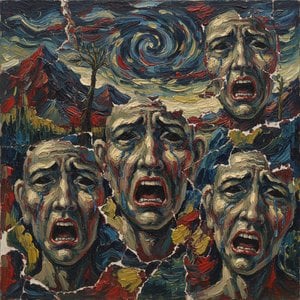
Explore the profound psychological depth of Expressionist art. From Munch to Van Gogh, discover how distorted forms and bold colors convey raw human emotion through our expert guide on this transformative movement.

Explore the profound emotional depth of Expressionist painting. From the bold colors of Emil Nolde to the distorted forms of Kirchner, discover how this movement redefined art through raw feeling and visceral texture in our expert guide to art history.
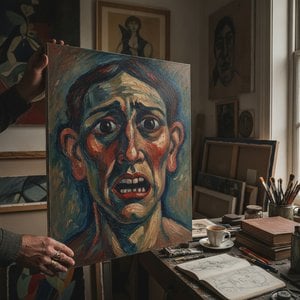
Discover the profound power of Expressionist art. From the raw intensity of Edvard Munch to the visceral textures of Neo-Expressionism, explore how subjective emotion and distorted reality define this movement. An expert guide for discerning collectors seeking depth and soul in fine art.

Explore the profound psychological depth of Expressionist portraiture. From Munch to Schiele, discover how distorted forms and visceral brushstrokes unmask raw human emotion in this definitive guide for art enthusiasts and collectors.
 წინასწარი ნახვა
 გაგზავნა
 გაზიარება
 დეტალები
 გზამკვლევი

 ჩამოტვირთვა
 მსგავსები
 რენტგენოგრაფიული კვლევა
 სლაიდშოუ
 კითხვა-პასუხი
 სტატისტიკა

 გააგრძელეთ კითხვა









 მინის ჩარჩოს არჩევანი შესაძლებელია მხოლოდ 110 სმ-მდე ზომისთვის


