უფასო ხელოვნების კონსულტაცია

x
ნაბეჭდის შეძენა ნაბეჭდის შეძენასურათის შეძენა სურათის შეძენა გაგზავნაგაგზავნა
დეტალებიდეტალები დამატება ფავორიტებში დამატება ფავორიტებში ჩამოტვირთვაჩამოტვირთვა მსგავსებიმსგავსები რენტგენოგრაფიული კვლევარენტგენოგრაფიული კვლევა სლაიდშოუსლაიდშოუ

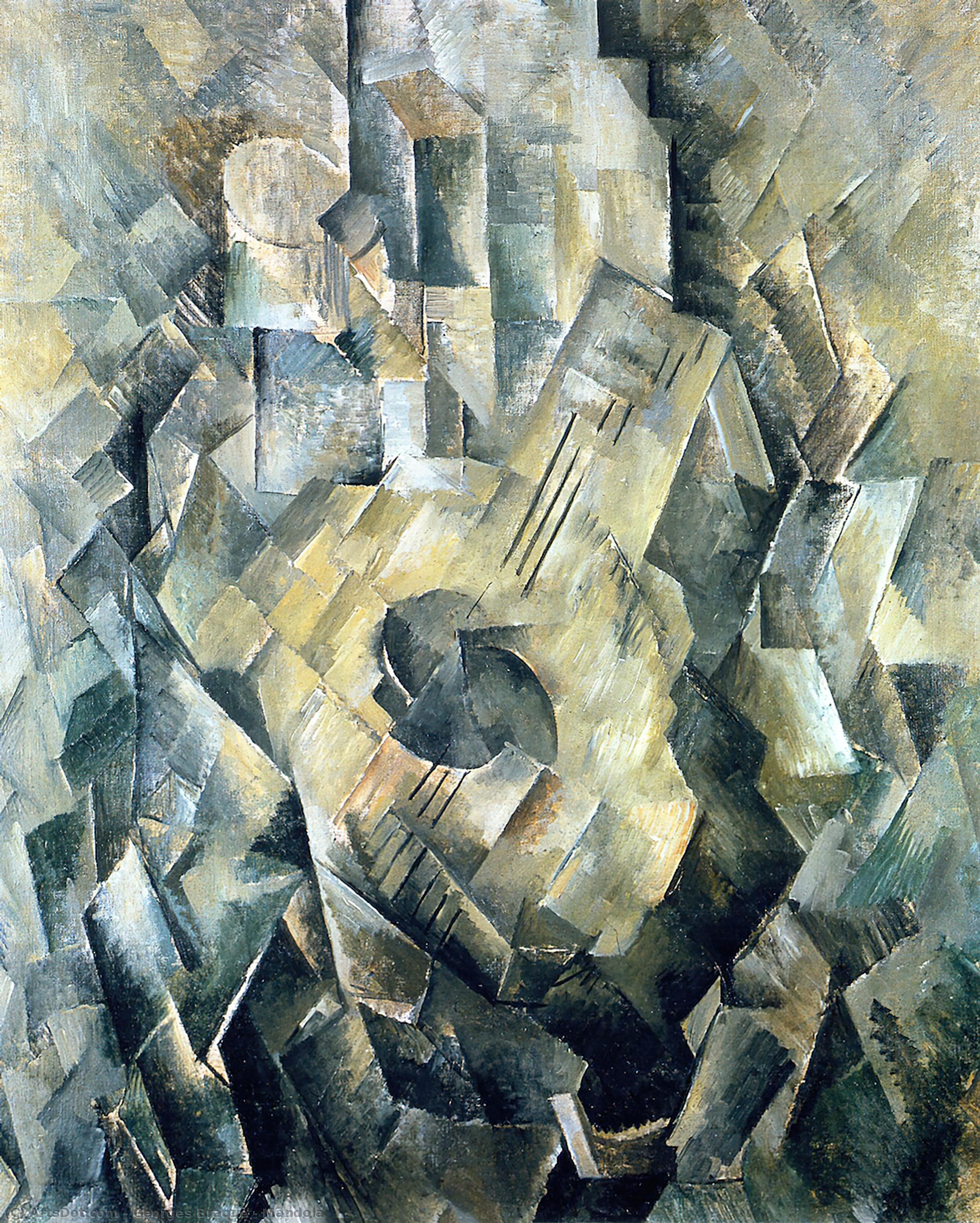
მანდოლა

გეორგ ბრაკის "მანდოლა" - ანალიტიკური კუბიზმის შედევრი! ფრაგმენტული ფორმები,muted ტონალობა და მუსიკალური ჰარმონია. აღმოფხვრით თანამედროვე ხელოვნების რევოლუცია!

გაითვალისწინებათ მეგობრებო! გიორგი ბრაკე ფრანგი მხატვარი და კუბიზმის პლენერა იყო და მისი ნაწარმოებები სხეპს და სიცნებას ახალი დონემდე გააჩნდათ. აღნიშნული მეგობრებო და შეფასებათა დამახასიათებელი ბრაკის ძირითადი კოლაჟები და სახლები ლესტაკზე და სხვებიდან არის და მისი მნიშვნელოვანი როლი კუბიზმის ისტორიაშია და მის მიერ შექმნილი ნაწარმოებები მოდელი და ინსპირაცია არიან სხვა მხატვრებისთვის და ბრაკის გავლე

შეიძინეთ მაღალი რეზოლუციის, გაუმჯობესებული ციფრული გამოსახულება, რომელიც ხარისხით ბევრად აღემატება ონლაინ წინასწარ ნახვას.

თითოეულ ფაილს ჩვენი შიდა სპეციალისტები საგულდაგულოდ ამზადებენ თანამედროვე ინსტრუმენტებისა და პროფესიონალური რეტუშირების გამოყენებით. ჩვენ უზრუნველყოფთ, რომ თითოეულ გამოსახულებას ჰქონდეს გამორჩეული სიცხადე, ფერების ზუსტი გადაცემა და დეტალიზაცია.

დასრულებული ფაილი ელექტრონული ფოსტით 72 საათში გიგზავნით; იგი ოპტიმიზებულია პროფესიონალური, რედაქციული და პოლიგრაფიული გამოყენებისთვის. ეს არის ისეთივე ხარისხი, რომელსაც წამყვანი დიზაინ-სტუდიები, გამომცემლობები და გალერეები ენდობიან.

ციფრული გამოსახულება

ჩამოტვირთეთ მაღალი გარჩევადობის ფაილი პირადი გამოყენებისთვის, დასაბეჭდად და შემოქმედებითი პროექტებისთვის.

საბოლოო ფასი

$9.99

ყოველ ციფრულ გამოსახულების შეკვეთაში შედის

ექსპერტული ციფრული მიწოდება, გარანტირებული

როდესაც ირჩევთ WahooArt.com-ს, თქვენ მხოლოდ სურათს კი არ იღებთ, არამედ იღებთ პროფესიონალურად დამუშავებულ ციფრულ ნამუშევარს, რომელიც შექმნილია უზადო სიზუსტით და დაცულია კმაყოფილების გარანტიით. თქვენს შეკვეთას ავტომატურად მოჰყვება შემდეგი:

shipping_icon
სწრაფი მიწოდება ელექტრონული ფოსტით

თქვენს მაღალი რეზოლუციის ციფრულ გამოსახულებას ელექტრონული ფოსტით შეკვეთის დაწყებიდან 72 საათში მიიღებთ — ის მზად იქნება დაუყოვნებლივი გამოყენებისთვის.

canvas_icon
AI-ით გაუმჯობესებული ციფრული ფაილი

თქვენი ხელოვნების ნიმუშები პროფესიონალურად არის ოპტიმიზებული მოწინავე AI ინსტრუმენტებისა და მექანიკური რედაქტირების მეშვეობით, რაც უზრუნველყოფს მაქსიმალურ დეტალიზაციას, სიცხადესა და ფერების სიზუსტეს.

insurance_icon
ციფრული გამოსახულებების უფასო სამუდამო ხელახალი მიღება

ფაილი შემთხვევით წაიშალა ან დაკარგეთ? ნუបედავთ — ჩვენ მას ნებისმიერ დროს, უფასოდ ხელახლა გამოგეგზავნით.

tax_icon
იმპორტის გადასახადების გარეშე — ყოველთვის

ჭიდად ისიამოვნეთ თქვენი ნამუშევრით მყისიერად, საბაჟო გადასახადის, მოსაკრებლის ან მიწოდების ხარჯის გარეშე - ციფრული ჩამტვირთვისას ყოველთვის საგადასახადო თავისუფლებაა.

color_icon
ფერების სიზუსტის გარანტია

პროფესიონალური ინსტრუმენტებისა და ფერების მართვის სისტემის გამოყენებით, ჩვენ უზრუნველყოფთ, რომ თქვენი ციფრული გამოსახულება მაქსიმალურად ზუსტად ასახავდეს ორიგინალურ ფერებს.

return_icon
60-დღიანი კმაყოფილების გარანტია

თუ თქვენს ციფრულ გამოსახულებას ვერ დაკმაყოფილებთ, ჩვენ შევირჩევთ მას ან დავაბრუნებთ 100% თანხას 60 დღის განმავლობაში — ყოველგვარი დამატებითი კითხვის გარეშე.

guarantee_icon
100% თანხის დაბრუნების გარანტია

არ არის თქვენი კმაყოფილების საფუძველი? მიიღეთ თანხის სრული დაბრუნება ციფრული ფაილის მიღებიდან 60 დღის განმავლობაში — ყოველგვარი დამატებითი კითხვის გარეშე.

discount_icon
ფასდაკლება დიდი რაოდენობით შეკვეთაზე

შეიძინეთ 3 გამოსახულება და მიიღეთ 10% ფასდაკლება - შეიძინეთ 5 და მიიღეთ 15% ფასდაკლება - შეიძინეთ 10+-ზე და მიიღეთ 20% ფასდაკლება. იდეალურია კრეატიული პროექტებისთვის, გალერეებისა და სააგენტოებისთვის.

მოკლე ინფორმაცია

  • year: 1910
  • movement: Cubism, Analytical Cubism
  • influences: Paul Cézanne
  • medium: Oil on canvas (presumed)
  • dimensions: 71 x 56 cm
  • subject: Guitar
  • style: Abstract, Fragmented

ხელოვნების ტესტი

თითოეულ კითხვაზე მხოლოდ ერთი სწორი პასუხია.

კითხვა 1:
To which art movement does Georges Braque's 'Mandola' (1910) most closely belong?
კითხვა 2:
What is the primary subject matter depicted in a highly abstracted form within 'Mandola'?
კითხვა 3:
Which characteristic best describes the color palette used by Braque in 'Mandola'?
კითხვა 4:
'Mandola' exemplifies which specific type of Cubism, known for its analytical breakdown of form?
კითხვა 5:
What is a defining visual element of 'Mandola' in terms of how forms are represented?

კოლექციონირებადი ნივთის აღწერა

"Mandola": ანალიტიკური კუბიზმის მნიშვნელოვანი ნაწევრი

ჟორჟ ბრაკის "Mandola", რომელიც 1910 წელს შეიქმნა, არის ანალიტიკური კუბიზმის განვითარებაში გადამწყვეტი ნაშრომი – რევოლუციური სტილი, რომელმაც გაანგარიშა ტრადიციული მხატვრული კონვენციები. ეს ზეთის საღებავით ტილოზე შესრულებული კომპოზიცია (71 x 56 სმ) არ არის მხოლოდ მუსიკალური ინსტრუმენტის απεικόნება; ეს არის ფორმის, აღქმის და ხედვისავე პროცესის βαθოკვეთა. ბრაკი მანდოლას (ლუთ-სგვანი ინსტრუმენტი) დემონტაჟს ახორციელებს, მის ფორმას რთული გეომეტრიული პლანების კომპლექსურ თამაშში გარდაქმნის.

ფორმის და ფერის დეკონსტრუქცია

პოემის ხასიათი არის ინტენსიურად გაfragmentებული კომპოზიცია, რომელიც მორჩილებულია დამობნეული ტონების ურთიერთკავშირში – ნაცრისფერი, ყავისფერი, ოქროსფერი და დელიკატური 녹색. ეს შეარბილებული ფერადი პალიტრა отказывается მკვეთრი ფერისგან ინტელექტუალური ანალიზის სასარგულოდ. ბრაკი სპეციალურად არ ირჩევს გამდინარე ხაზებს ან ორგანულ ფორმებს, არამედ ნაჭრის კუთხეებსა და გადანაოქებებული პერსპექტივას. ინსტრუმენტის ცნობილი ელემენტები – კორპუსი, ხმაურიანი განშტოება, კისერი და სიმები – არსებობს, მაგრამ აბსტრაქტულია იმ დონეზე, რომ აღიარება მოითხოვს მაყურებლის აქტიურ ჩართვას. საღებავის στρώσεις ტექსტურას ქმნის, რომელიც გამოაჩენს ფუნთუსების ნაკეცებს თითოეული პლანში, სიღრმის შექმნას მიზნით, მიუხედავად საერთო გადანაოქების ეფექტისა.

ისტორიული კონტექსტი და მხატვრული ინოვაცია

პაბლო პიკასოსთან თანამშრომლობითი პერიოდის დროს შექმნილი, "Mandola" ადრეული კუბიზმის ძირითად პრინციპებს წარმოადგენს. ორივე მხატვარი ცდილობდა ტრადიციულ απεικόვნებას გამოეხტა, ექსპლორაციას აკეთებდა მრავალგზის ხილვაზე და ობიექტების საფუძველი გეომეტრიულ კომპონენტებში. ეს ნაწარმოები ბრაკის გაფასებას ასახავს პოლ სეზანის ფორმის ქვემოთлежаდობისა და იმის შესწავლის შესახებ, თუ როგორ მხატვრები წარმოადგენენ შუქსა და პერსპექტივას. "Mandola" გადასვლას უქმობს 단순 απεικόნებას ობიექტისაგან; ის ინსტრუმენტის არსს წარმოადგენს ფრagmentირებული ფორმით.

სიმბოლიზმი და გრძნობრივი რეზონანსი

ინსტრუმენტის დეკონსტრუქცია არა მხოლოდ ფორმის ანალიზია, არამედ აღქმის პროცესის კითხვისკენ მოწოდებაცაა. მაყურებელი აქტიური მონაწილე ხდება, ცდილობს გაერთიანოს ფრagmentები და შექმნას მთლიანი εικόна. "Mandola" არის ინტელექტუალური თვინიერი, რომელიც გრძნობებს არ იგნორირებს. დამობნეული ფერები და კომპოზიციის სიმშვიდე აინტერესებს მაყურებელს, ხოლო ფორმების რთული ურთიერთქმედება მას შთამბეჭდავ შთაბეჭდილებას ტოვებს. ეს ნაწარმოები არის კუბიზმის ექსპერიმენტის შედეგი, რომელიც მხატვრს საშუალებას აძლევს გამოხატოს რეალობის მრავალი 측면 და შექმნას ახალი, არატრადიციული მხატვრული ენა.

დაკავშირებული ნამუშევრები


მხატვრის ბიოგრაფია

Early Life and Artistic Foundations

Georges Braque, born in Argenteuil, France, in 1882, embarked on a path deeply intertwined with the evolving landscape of modern art. His upbringing within a family of house painters and decorators instilled in him not only a technical mastery of materials but also an early appreciation for form and structure. Though initially following in his father’s trade, Braque's inherent artistic inclinations soon led him to formal training at the École des Beaux-Arts in Le Havre, marking the beginning of his journey toward becoming one of the most influential painters of the 20th century. This foundation—a blend of practical craftsmanship and academic study—would prove crucial as he later deconstructed and reimagined traditional artistic conventions.

Moving to Paris in 1902, Braque continued his studies at the Académie Humbert, immersing himself in the vibrant artistic milieu of the city. It was here that he encountered artists like Marie Laurencin and Francis Picabia, forging connections that would shape his early development. His initial works reflected the prevailing influences of Impressionism and Post-Impressionism, but a pivotal encounter with the bold colors and expressive freedom of Fauvism in 1905 ignited a new direction in his artistic exploration.

The Embrace of Fauvism and the Dawn of Cubism

Braque’s adoption of Fauvist principles—characterized by intense, non-naturalistic color and emotional expression—is vividly exemplified in paintings like The Patience. This period saw him working alongside artists such as Henri Matisse and André Derain, experimenting with vibrant palettes and simplified forms. However, Braque's engagement with Fauvism was not merely imitative; he infused it with a unique sensibility, tempering the movement’s unrestrained exuberance with a more restrained and analytical approach.

A turning point arrived in 1907 with his exposure to the retrospective exhibition of Paul Cézanne's work. Cézanne’s emphasis on geometric forms and multiple perspectives profoundly impacted Braque, setting the stage for his groundbreaking collaboration with Pablo Picasso. Beginning in 1908, these two artistic titans embarked on a period of intense intellectual exchange that would give birth to Cubism—a revolutionary movement that shattered traditional notions of representation.

Together, Braque and Picasso developed Analytical Cubism, dissecting objects into fragmented geometric shapes and presenting multiple viewpoints simultaneously. Works like Houses at L'Estaque demonstrate this early phase, showcasing a radical departure from conventional perspective and a focus on the underlying structure of forms. Their palette became deliberately muted, emphasizing form over color, as they sought to represent the totality of an object’s presence rather than merely its appearance.

Innovation Through Fragmentation and Collage

The partnership between Braque and Picasso continued to push the boundaries of artistic expression, leading to the development of Synthetic Cubism around 1912. This phase saw the introduction of collage—the incorporation of real-world materials such as newspaper clippings, wallpaper, and fabric into paintings. This innovation challenged the traditional hierarchy between painting and sculpture, blurring the lines between art and life.

Braque’s pioneering use of *papier collé* (pasted paper) marked a significant turning point in his artistic evolution. By integrating fragments of everyday objects into his compositions, he disrupted the illusionistic space of traditional painting and introduced a new level of materiality and texture. This technique not only expanded the formal possibilities of art but also reflected a growing interest in the relationship between representation and reality.

The outbreak of World War I in 1914 brought an interruption to this intense collaboration, as Braque was called upon for military service. His wartime experiences profoundly affected his artistic vision, leading him to explore more personal and lyrical themes in his post-war work.

Later Years and Enduring Legacy

Following the war, Braque’s style evolved beyond the strict confines of Cubism, incorporating elements of classical composition and a renewed interest in still life. While retaining the geometric influences that had defined his earlier work, he developed a more nuanced and contemplative approach to painting. His later landscapes and interiors are characterized by their serene atmosphere and subtle harmonies of color.

Throughout his career, Braque remained committed to exploring the fundamental principles of form, space, and representation. He continued to experiment with different materials and techniques, pushing the boundaries of artistic expression until his death in 1963. His influence on subsequent generations of artists is immeasurable, shaping the course of modern art and inspiring countless painters, sculptors, and collagists.

Georges Braque’s legacy extends beyond his individual artworks; he fundamentally altered our understanding of how we perceive and represent the world around us. His collaborative spirit with Picasso, coupled with his own unique artistic vision, cemented his place as a true pioneer of modern art—a master who dared to challenge conventions and redefine the possibilities of painting.

Influences and Notable Works

  • Influenced By: Henri Matisse, André Derain, Paul Cézanne
  • Key Works: Houses at L'Estaque, The Patience, Violin and Palette, Mandola
  • Impact on Art History: Revolutionized 20th-century art through Cubism; challenged traditional notions of perspective and representation.

ჟორჟ ბრაკე

ჟორჟ ბრაკე

1882 - 1963 , საფრანგეთი

მოკლე ინფორმაცია

  • Artistic Movement Or Style: კუბიზმი და ფავიზმი
  • Artists Or Movements Influenced By This Artist: ['პროცედების დ სიცნობისთვის და კუბიზმი']
  • Artists Who Influenced This Artist:
    • ჰენრი მატის და სსრფ.
    • პაბლო პიკასო და სსრფ.
  • Date Of Birth: 13 მაისი 1882 წ.
  • Date Of Death: 1963 წ.
  • Full Name: Georges Braque
  • Nationality: ფრანგილია
  • Notable Artworks:
    • სახლები ლესტაკზე
    • procédés დ სიცნობისთვის
    • ვიოლინა და პალეტი
    • მანდოლა
  • Place Of Birth: არგენტეუილი სსრფ.