ჯორჯ კეტლინი: ინდიელების სამყაროს მხატვერი
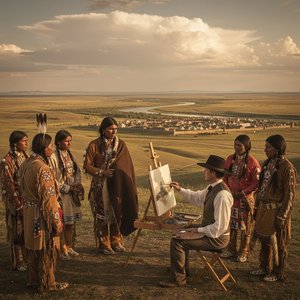
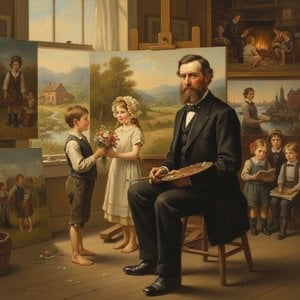
ჯორჯ კეტლინი, დაიბადა 1796 წელს ვილკეს-ბარის, პენსილვაანიაში, იყო ამერიკელი ადვოკატი, მხატვერი, მწერალი და მოგზაური. ის განსაკუთრებით ცნობილია ჩრდილოეთ ამერიკის მკვიდობი ხალხების, მათ შორის ადგილობრივი ინდიელების პორტრეტებითა და სცენებით. მისი ცხოვრება სათავეს იღებს ფრონტირის მოთხრობებზე, რომლებიც მისმა დედამ, ოლლი Sutton-მა უყვებია, რომელიც გადაურჩა ინდოელთა თავდასხვრას. ეს ისტორიები გააღვიძა ახალგაზრდა კეტლინის ინტერესი დასავლეთისკენ, რეგიონის მიმართ, რომელსაც როგორც საშიშს, ასევე მომხიბვლელ ადგილად აღქვამოდა. იურიდიული განათლების მიღების შემდეგ, მან ხელოვნულობა აირჩია თავისი ცხოვრების გზა და გადაწყვიტა ამოსულიყო დასავლეთით, რათა დაედო ბოლო ხაზი ინდიელთა კულტურას, რომელიც სწრაფად ქრება.
კეტლინის ყველაზე მნიშვნელოვანი მიღწევა იყო "ინდოეთის გალერეის" შექმნა – 500-ზე მეტი ტილო, რომელიც ეძღარება ადგილობრივი ინდიელების ცხოვრების და კულტურის აღბეჭედვას. 1830-იანი წლებიდან მოყოლებული, მან ხუთჯერადი დიდი ექსპედიციები გა yaptı ამერიკის დასავლეთში, მოგზაურობდა მისსურიმდე და შედიოდა ტribal ტერიტორიებში, სადაც ცხოვრობდნენ მანდანის, სიუს, ბლექფუტის და ჩოქტოების племена. ის არ იყო მხოლოდ დამთვალიერებელი; კეტლინი ინტეგრირებდა თავს ამ 공동ობებში, მონაწილეობდა ცერემონიალებში, ხედავდა ყოველდღიურ ცხოვრებას და ამყარებდა ურთიერთობას племенების ლიდერთან. მისი ტილოები გამოირჩევა რეალიზმით და მკაფიო ფერებით, რომელიც აღწევს არა მხოლოდ ფიზიკურს, არამედ ინდიელთა კულტურული ტრადიციების მნიშვნელობასაც.
ინდიელების გალერეა: ისტორიული დოკუმენტი
"ინდოეთის გალერეა" არის უნიკალური ისტორიული დოკუმენტი, რომელიც გვთავაზობს დასავლეთის გაფართოებასთან დაკავშირებულ ინდიელთა ცხოვრების უშუალო აღქმას. კეტლინის ტილოები, როგორიცაა
“შამ ფაიტი, მანდანის ბიჭები”, წარმოადგენს მხიარულ მცდელობებს ახალგაზრდა ინდიელების მიერ და ასახავს племенის სულისკვეთებას.
“მედიცინის ბაფალო სიუსი” – სიმძლერის პორტრეტი, რომელიც გამოხატავს ლიდერის ძალასა და წინასწარმეტყველებას. კეტლინის სტილის χαρακτηერული ნიშანია დეტალური შესრულება, რაც ხშირად მოიცავს ფონებს, რომლებიც აჩვენებენ племенის ცხოვრების კონტექსს – ლანდშაფტებს, ტიპებს და ცერემონიალურ ობიექტებს. ის ცდილობდა წარმოედგინა ინდიელები არა სტერიოტიპული تصاویر, არამედ კომპლექსური სოციალური სტრუქტურებითა და მდიდარი კულტურული ტრადიციებით ადამიანებად, რაც ეწინააღმდეგება იმ დროს არსებულ პრეიუდისიებს.
მოგზაურობები და აღიარება: ერთგული შენახვისთვის
მიუხედავად "ინდოეთის გალერეის" მხატვრული ღირებულებისა და ისტორიულ მნიშვნელობის, კეტლინი ვერ მიაღწია ფართო აღიარებასა და ფინანსურ მხარდასაჭერას. მან თავისი კრებული შეთავაზა აშშ-ს მთავრობას იმედით, რომ იგი ეროვნული საგანძურად იქნებოდა შენახული, მაგრამ მისი წინადადებები მუდმივად უარისმყოფილობი დაემართა. არ დათრუნებულმა, მან დაიწყო ტურნეები, გამოფენა გაუწია თავის გალერეას ევროპაში, ლონდონში, პარიზსა და ბრიუსელში. ამ გამოფენებმა მიიღო დიდი აღიარება, რაც ინდიელების სამყაროს გააცნობა მსოფლიოს. კეტლინი ასევე გამოსცა რამდენიმე წიგა, რომელიც დეტალურად აღწერდა მის მოგზაურობებსა და დაკვირვებებს, მათ შორის "ჩრდილოეთ ამერიკის ინდიელების ადათ-წესები, ჩვეულებები და მდგომარეობა" (1841) და "როკის მთებისა და ანდების ინდიელებში ბოლო მოგზაურობები" (1868). თუმცა, ფინანსური პრობლემები მას თან ახლდა მთელი ცხოვრება.
მემკვიდრეობა და ისტორიული მნიშვნელობა
ჯორჯ კეტლინი გარდაიცვალა 1872 წელს, დატოვებოდა მემკვიდრეობითი მნიშვნელოვანი ნაშრომი, რომელიც დღესაც აგრძელებს რეზონანსს. მიუხედავად იმისა, რომ მისი ნამუშევრები არ აღიარებულდნენ მას სიცოცხლეში, ისინი აღიარებულია უნიკალური ისტორიული დოკუმენტების სახით, რომლებიც ინდიელების ცხოვრების შესახებ ინფორმაციას გვთავაზობენ დასავლეთის გაფართოებასთან დაკავშირებით. მისი ტილოები გვაძლევს შესაძლებლობას შევხედოთ კულტურებს, რომელთა შესახებ ხშირად არ იყო ინფორმაცია ან წარმოდგენილი იყო არასწრაფად.
“პაისონის ქარხანა”, რომელიც ასახავს კონტროლირებულ მწვანილს და თანმდებ ტყეჭარებს, აღწევს არა მხოლოდ ლანდშაფტის, არამედ ინდიელების ურთიერთობას გარემოსთან.
“ინდოეთის ბურთი” წარმოადგენს ჩოქტო племенის კულტურული მემკვიდრეობის სცენას. კეტლინის დეტალური დოკუმენტაცია გვაძლევს ინფორმაციას племенების ტრადიციების, სოციალური სტრუქტურებისა და რელიგიური რწმენების შესახებ – ინფორმაცია, რომელიც სხვაგვარად დაკარგულიყო ისტორიაში. მისი ნამუშევრები არის ძლიერი یادآور, რომ კულტურული შენახვის მნიშვნელობა და წინასწარი შეხედულებების გასაწევია ადგილობრივი ხალხის მიმართ.
ძირითადი ნაშრომები
- შამ ფაიტი, მანდანის ბიჭები (1832-1833) – მხიარული მცდელობის სცენა ახალგაზრდა მანდანების მიერ.
- ჯორჯ კეტლინის ცოლი (კლარა Bartlett Gregory) (1850) – პორტრეტი, რომელიც გვთავაზობს მის προσωπულ ცხოვრებას.
- პაისონის ქარხანა, Coteau Des Prairies (1848) – ილუსტრირებული священный ადგილი многих племен.
- მედიცინის ბაფალო სიუსი (1839) – სიმძლერის პორტრეტი, რომელიც გამოხატავს ძალასა და წინასწარმეტყველებას.
- პრაირის მწვანილების გაზევება (1832) – დრამატიული სცენა კონტროლირებულ მწვ



 წინასწარი ნახვა
 გადართვა ბეჭდზე
 გაგზავნა
 გაზიარება
 დეტალები

 ჩამოტვირთვა
 მსგავსები
 რენტგენოგრაფიული კვლევა
 სლაიდშოუ
 სტატისტიკა


 გადასართად დაწვრილებით ნახეთ






































 მინის ჩარჩოს არჩევანი ხელმისაწვდომია მხოლოდ 110 სმ-ზე ნაკლები ზომისთვის