
ნახვა ინტერьерში ნახვა AR რეჟიმში შეიძინეთ ხელით შესრულებული ნახატი გადასვლა ციფრულ გამოსახულებაზე გაგზავნა
დეტალები გზამკვლევი დამატება ფავორიტებში ჩამოტვირთვა მსგავსები რენტგენოგრაფიული კვლევა სლაიდშოუ Q&A სტატისტიკა

The Deceased Dimas

ზომები
48.0 x 31.0 cm

ფრიდა კახლო - მეხიკოს გამოჩენილი მხატვარი, რომელმაც საკუთარი ტკივილი და იდენტობა განთქმულ αυτοპორტრეტებში აღიარა. მისი ნამუშევრები სტილისისტურად ერწყმის ფოლკლორულ და სურეალისტურ ელემენტებს, რაც მას ხელოვნების ისტორიაში გამორჩეულად მნიშვნელოვან ფიგურად აქცევს.

გიკლე / ხელოვნების პრინტი

მუზეუმის დონის ჟიკლე ან ტილოზე ბეჭდვა სწრაფი წარმოებისა და დასრულების მოქნილი ვარიანტებით. ( შეიძინეთ ხელით შესრულებული ნახატი გადასვლა ციფრულ გამოსახულებაზე)

Corner sample of the P118B picture frame: ღუმლში ჩამჭედი პოლისტიროლი, 5 cm wide and 3 cm thick
P118B ₾10
Corner sample of the P118H picture frame: ღუმლში ჩამჭედი პოლისტიროლი, 5 cm wide and 3 cm thick
P118H ₾10
Corner sample of the P118W picture frame: ღუმლში ჩამჭედი პოლისტიროლი, 5 cm wide and 3 cm thick
P118W ₾10
Corner sample of the P438Z picture frame: ღუმლში ჩამჭედი პოლისტიროლი, 5.5 cm wide and 3.5 cm thick
P438Z ₾10
Corner sample of the P508JH picture frame: ღუმლში ჩამჭედი პოლისტიროლი, 7 cm wide and 3.5 cm thick
P508JH ₾12
Corner sample of the P508YH picture frame: ღუმლში ჩამჭედი პოლისტიროლი, 7 cm wide and 3.5 cm thick
P508YH ₾12
Corner sample of the P805H picture frame: ღუმლში ჩამჭედი პოლისტიროლი, 5 cm wide and 3.5 cm thick
P805H ₾10
Corner sample of the P805Z picture frame: ღუმლში ჩამჭედი პოლისტიროლი, 5 cm wide and 3.5 cm thick
P805Z ₾10
Corner sample of the P919BZ picture frame: ღუმლში ჩამჭედი პოლისტიროლი, 7 cm wide and 3.5 cm thick
P919BZ ₾10
Corner sample of the P919G picture frame: ღუმლში ჩამჭედი პოლისტიროლი, 7 cm wide and 3.5 cm thick
P919G ₾10
Corner sample of the P919XJ picture frame: ღუმლში ჩამჭედი პოლისტიროლი, 7 cm wide and 3.5 cm thick
P919XJ ₾10
Corner sample of the P959ZH picture frame: ღუმლში ჩამჭედი პოლისტიროლი, 5 cm wide and 3 cm thick
P959ZH ₾10
Corner sample of the P968JZ picture frame: ღუმლში ჩამჭედი პოლისტიროლი, 6 cm wide and 4 cm thick
P968JZ ₾12
Corner sample of the W106C picture frame: მასიური ხე, 5 cm wide and 3 cm thick
W106C ₾8
Corner sample of the W218G picture frame: მასიური ხე, 5 cm wide and 3 cm thick
W218G ₾10
Corner sample of the W218JH picture frame: მასიური ხე, 5 cm wide and 3 cm thick
W218JH ₾8
Corner sample of the W218Y picture frame: მასიური ხე, 5 cm wide and 3 cm thick
W218Y ₾10
Corner sample of the W307PJ picture frame: მასიური ხე, 6 cm wide and 3 cm thick
W307PJ ₾10
Corner sample of the W316G picture frame: მასიური ხე, 6 cm wide and 3 cm thick
W316G ₾10
Corner sample of the W316PJ picture frame: მასიური ხე, 6 cm wide and 3 cm thick
W316PJ ₾8
Corner sample of the W316Y picture frame: მასიური ხე, 6 cm wide and 3 cm thick
W316Y ₾10
Corner sample of the W398PJ picture frame: მასიური ხე, 5 cm wide and 3 cm thick
W398PJ ₾8
Corner sample of the W4111J picture frame: მასიური ხე, 6.5 cm wide and 3.5 cm thick
W4111J ₾10
Corner sample of the W500HY picture frame: მასიური ხე, 7 cm wide and 5 cm thick
W500HY ₾15
Corner sample of the W500JH picture frame: მასიური ხე, 7 cm wide and 5 cm thick
W500JH ₾15
Corner sample of the W692G picture frame: მასიური ხე, 8 cm wide and 4 cm thick
W692G ₾12
Corner sample of the W849H picture frame: მასიური ხე, 5 cm wide and 3 cm thick
W849H ₾8
Corner sample of the W940BG picture frame: მასიური ხე, 7.5 cm wide and 4.5 cm thick
W940BG ₾15
Corner sample of the W953PJ picture frame: მასიური ხე, 6 cm wide and 3.5 cm thick
W953PJ ₾8

სტანდარტული ზომა
ინდივიდუალური ზომა
CM
INCH

აირჩიეთ ჩვენს მიერ წინასწარ განსაზღვრული ზომებიდან, რომლებიც ნაწარმოების ორიგინალურ პროპორციებს შეესაბამება.

სიგანე
სიმაღლე

შეიყვანეთ თქვენთვის საჭირო სიგანე და სიმაღლე, რათა იგი მოერგოს თქვენს ჩარჩოს ან კედელს. ბეჭდვისას შესაძლებელია მხოლოდ მისი შემცირება და არა გაზრდა, ამიტომ სხვა ფორმის ზომის შემთხვევაში გამოსახულება ნაწილობრივ იკარგება. სანამ რაიმეს დაბეჭდავთ, ჩვენ გამოგიგზავნით ციფრულ მაკეტს დასდასტურებლად. ამ გვერდზე ნაჩვენები სურათი არ ასახავს რეალურ ჭრას — ამას მხოლოდ მაკეტი გვიჩვენებს.

მიწოდება მთელ მსოფლიოში () 2 კვირაში, სტანდარტული 4/5 კვირის ნაცვლად. (31 ოქტომბერი)

უფასო ექსპრეს მიწოდება მთელ მსოფლიოში
მაღალი ხარისხის ტილო
ტრანსპორტირების სრული დაზღვევა
საბაჟო გადასახადების დაბრუნების გარანტია
ფერების სრული შესაბამისობის გარანტია
დაბრუნების 100-დღიანი პერიოდი (მხოლოდ წარმოების დეფექტის შემთხვევაში)
100% თანხის სრული დაბრუნების გარანტია
ფასდაკლება დიდი რაოდენობით შეკვეთისას

ჯამური ღირებულება

₾ 177

The Deceased Dimas

გიკლე / ხელოვნების პრინტი

რეპროდუქციის ზომა

-

ჯამური ღირებულება

₾ 177

მოკლე ფაქტები

  • Artistic style: Symbolic realism
  • Artist: Frida Kahlo
  • Title: The Deceased Dimas
  • Subject or theme: Childhood, rest, loss
  • Dimensions: 48 x 31 cm

ტესტი ხელოვნების შესახებ

თითოეულ კითხვაზე მხოლოდ ერთი სწორი პასუხია.

კითხვა 1:
Based on the description, what is the primary mood or atmosphere conveyed by ‘The Deceased Dimas’?
კითხვა 2:
The presence of books around the child suggests what about their life?
კითხვა 3:
Frida Kahlo painted ‘The Deceased Dimas’ in which year?
კითხვა 4:
Considering Frida Kahlo's life experiences, what is a likely symbolic interpretation of the child’s limp in the painting?
კითხვა 5:
The inclusion of flowers in the painting primarily serves what purpose?

A Portrait of Quietude: Frida Kahlo’s “The Deceased Dimas”

Frida Kahlo's "The Deceased Dimas," painted in 1937, is not merely a depiction of a sleeping child; it’s a profoundly intimate and layered exploration of mortality, memory, and the enduring power of childhood innocence. This small yet intensely evocative work offers a rare glimpse into Kahlo’s deeply personal world, revealing her fascination with vulnerability and the poignant beauty found within quiet moments. The painting captures a young boy, seemingly lost in slumber, resting on a simple bed – a scene imbued with an almost unbearable tenderness that speaks to Kahlo's own experiences of loss and fragility.

Subject and Composition: A Fragmented Reality

The subject itself, “Dimas,” is deliberately ambiguous. It’s believed the boy depicted was Kahlo’s nephew, though details surrounding his life are scarce. This deliberate vagueness contributes to the painting's universality; it transcends a specific portrait and becomes an archetype of childhood – a state of blissful unawareness suspended between waking and dreaming. The composition is carefully constructed, drawing the viewer into the scene with a gentle intimacy. The boy’s posture is relaxed, his face serene, suggesting a profound peace. Around him are scattered books—a testament to a life filled with learning and imagination, yet abruptly interrupted. A chair stands nearby, hinting at a space of play or storytelling, now silent and still.

  • The arrangement of objects – the books, the flowers, the chair – creates a sense of domestic tranquility, almost staged for our observation.
  • Kahlo’s signature use of color is restrained here, favoring muted tones that enhance the painting's melancholic mood.

Technique and Style: The Raw Beauty of Surrealism

Executed in a style often categorized as surrealist, though Kahlo herself resisted such labels, “The Deceased Dimas” reveals her unique approach to the genre. She employed a meticulous realism, rendering each detail with painstaking accuracy – from the delicate petals of the flowers to the texture of the bedclothes. However, beneath this surface realism lies an underlying current of symbolism and emotional intensity. Kahlo’s technique is characterized by a directness and honesty that bypasses conventional artistic conventions. The brushstrokes are visible, conveying a sense of immediacy and vulnerability. The painting's small scale further intensifies its impact, drawing the viewer in for a deeply personal encounter.

Material & Method:** Kahlo primarily used oil paints on canvas, often applying them directly from the tube to achieve a spontaneous effect. She frequently incorporated elements of Mexican folk art into her work, reflecting her cultural heritage and adding layers of symbolic meaning.

Symbolism and Emotional Resonance: Loss and Remembrance

“The Deceased Dimas” is laden with symbolism that speaks to Kahlo’s personal struggles. The boy's state of repose can be interpreted as a metaphor for death, not necessarily literal but representing the cessation of childhood innocence and the passage of time. The flowers, often associated with beauty and fragility, underscore this theme, suggesting the fleeting nature of life. The books represent knowledge and potential, now dormant alongside the sleeping child. It’s widely believed that Kahlo painted this work shortly after experiencing a significant personal loss – her mother's death in 1937 – making it a deeply poignant expression of grief and remembrance. The painting isn’t simply about a sleeping boy; it’s a meditation on mortality, the bittersweet beauty of memory, and the enduring power of love.

A reproduction of “The Deceased Dimas” offers a remarkable opportunity to bring this intensely personal work into your home or studio. WahooArt.com provides meticulously crafted hand-painted reproductions that faithfully capture Kahlo’s unique style and emotional depth, allowing you to experience the profound beauty and quiet contemplation of this iconic image.

კითხვები და პასუხები

სად შემიძლია ვნახო ორიგინალი ფრიდა კახლო-ის „The Deceased Dimas“?

ფრიდა კახლო-ის „The Deceased Dimas“ წარმოდგენილია მუზეუმი დოლორეს ოლმედო, მექსიკოს ქუჩი, მექსიკა-ში. მუზეუმის აღწერილობა ეხება ორიგინალ ნამუშევარს და არა რეპროდუქციებს.

შეიძლება თუ არა ფრიდა კახლო-ის „The Deceased Dimas“-ის გამოსახულების თავისუფლად რეპროდუცირება?

რაც შეეხება საავტორო უფლებებს, "The Deceased Dimas" არის საჯარო საკუთრებაშია - მისი საავტორო უფლებები ამოწდა.

სად არის რეკომენდებული "The Deceased Dimas"-ის განთავსება, მისი პალიტრის გათვალისწინებით?

Dark პალიტრის წყალობით, ფრიდა კახლო-ის „The Deceased Dimas“ რეკომენდებულია Living Room-ისთვის. სწორედ ფერები განაპირობებს ამ რეკომენდაციას.

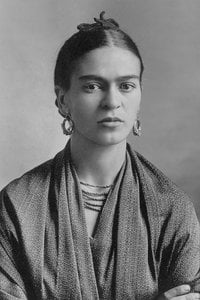
მხატვრის ბიოგრაფია

ფრიდა კახლოს ცხოვრება და შემოქმედება: ტკივილისაგან შთამომავალი ხელოვნება

ფრიდა კახლო, ანუ მაგდალენა კარმენ ფრიდა კახლო ი კალდერონი, იყო მეოცე საუკუნის ერთ-ერთი ყველაზე აღიარებულ მხატვრად. მისი ნაწარმოებები დღემდე აინტერესებს მსოფლიოს და წარმოადგენს ტკივილის, სიმტკიცისა და თვითგამოხატვის უნიკალურ სინთეზს. დაიბადა 1907 წლის 6 ივლისს მექსიკის ქალაქ კოიოკანში, ცნობილ სახლში, რომელიც დღეს ფრიდა კახლოს მუზეუმად არის გახსნილი. მისი მამა იყო გერმანული წარმოშობის ფოტოგრაფი გვილერმო კახლო, ხოლო დედა – მექსიკელი ქალი, მათილდე კალდერონი. ფრიდას ბავშვობა არ ყოფილა მარტივი; ექვს წლის ასაკში მან პოლიომიოლოგიური დაავადება გადაიტანა, რამაც მისი ფიზიკური განვითარებაზე უარყოფითი გავლენა მოახდინა. თუმცა, ეს ტრაგედია არ გახადა დაბრკოლებად მისთვის, პირიქით, მას ხელოვნებისაკენ მიმართა.

ტრაგედია და შემოქმედების გაჩენა

ფრიდას ცხოვრების უმნიშვნელოვანესი მომენტი 1925 წელს მოხდა, როდესაც ავტობუსის საგზაო შემთხვევას გადახდა. ეს ტრაგედია მის სხეულს მძიმე დაზიანებებს მიუყენა – ხერხემლის, თ pelvisისა და კიდურების მრავალი ფრაქტურები. უმეტესი დრო იწვა საწოლში, რაც ხელოვნებას მისი გადასარჩენად აქცია. სწორედ ამ პერიოდში დაიწყო თვითპორტრეტების აქტიური შექმნა, რომელთა საშუალებითაც იგი ცდილობდა გაეზიარებინა თავისი ტკივილი, შიშები და იმედგვრებები სამყაროსთან. მისი დედამ სპეციალური სტენდი მოაწყო, რათა ფრიდასთვის საწოლში მდგომარეობით გამხატველი საშუალება ჰქონოდა. თვითპორტრეტებში იგი ხშირად απεικονებდა საკუთარ თავს სიმბოლოებით გარემომცველ ტყეებს შორის, რაც მის შინაგანი სამყაროსა და გრძნობების გამოხატვას წარმოადგენს.

დიეგო რივერასთან ურთიერთობა და შემოქმედების განვითარება

1929 წელს ფრიდა კახლო ცოლად გაჰყვა გამოჩენილ მექსიკელ მოზაიკურ მხატვრს, დიეგო რივერას. მათი ქორწინება იყო apasionado და ტრაგიკული, სავსე ინტრიგებით, უწესოებრივი ურთიერთობებითა და შემოქმედებით კონფლიქტებით. თუმცა, ეს ურთიერთობა ფრიდას ხელოვნების განვითარებაში მნიშვნელოვან როლს ასრულებდა. დიეგოს მხატვრული რჩევები და მისი გავლენა უზრუნველყოფილი იყო, რაც მის ნაწარმოებებს უფრო ძლიერი და გამოხატვის საშუალებათაგან მდიდარი გახადა. ფრიდას სტილი თანდათან ვითარდებოდა, შერწყმულად იყენებდა მექსიკული ხალხური ხელოვნების ელემენტებს, რეალიზმს და სურრეალიზმის მოტივებს. მისი ნამუშევრები ხშირად აღწევს სიმბოლურობას, სადაც ტკივილი, სიკვდილი, იდენტობა და ქალის გამოცდილებაა ასახული.

მემკვიდრეობა და მნიშვნელობა

ფრიდა კახლოს შემოქმედება დღეს აღიარებულია მსოფლიო ხელოვნების ერთ-ერთ უმნიშვნელოვანეს ნაწილად. მისი ნამუშევრები არა მხოლოდ მხატვრული ღირებულებისაა, არამედ წარმოადგენს ტკივილის, სიმტკიცისა და თვითგამოხატვის უნიკალურ გამოხატულებას. იგი იყო ქალი, რომელმაც გაბედავებით აღიარა საკუთარი ტკივილი და სისუსტე, რაც მის ხელოვნებას უაღრესად პირად და გულწრფელ ხასიათს მატებს. ფრიდას ცხოვრება და შემოქმედება განაგებდა ქალთა უფლებების დამცველთა მოძრაობას, ხოლო მისი მექსიკული კულტურისადმი სიყვარული და პატივისცემა ხელმისაწვდომი გახადა ეს კულტურა მსოფლიოსთვის. მისი სახელი დღესდღეობით სიმბოლოდია გამორჩეული ინდივიდისთვის, რომელიც უარის თქმას არ იტოვებს საკუთარი ხედვის მისაღწევად და ტკივილს გადამ胜ის საშუალებად აქცევს.
ფრიდა კახლო

ფრიდა კახლო

1907 - 1954 , მექსიკა

მოკლე ფაქტები

  • Artistic Movement Or Style: სურრეალიზმი, ფოლკლორული ხელოვნება
  • Artists Or Movements Influenced By This Artist:
    • ჩიკანო ხელოვნება
    • ფემინისტური ხელოვანი
  • Artists Who Influenced This Artist:
    • მექსიკელი ფოლკლორისტი ხელოვანი
    • ევროპული რენესანსის მხატვრები
  • Date Of Birth: 1907 წლის 6 ივლისი
  • Full Name: მადალენა კარმენ ფრიდა კახლო ჲ კალდერონი
  • Nationality: მექსიკელი
  • Notable Artworks:
    • ორი ფრიდა
    • თიხისფილებით მორწყული ავტოპორტრეტი
    • ღრმავარდებული სვეტი
    • ჰენრი ფორდის ჰოსპიტალი
  • Place Of Birth: კoyoაკანი, მექსიკა
აღმოაჩინეთ ხელოვნების ნაწარმოებები თემების, სტილისა და მახასიათებლების მიხედვით დაჯგუფებული.


































