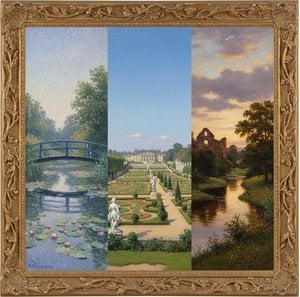
მზის სხივებით განათებული ცხოვრება: ფრედერიკ კარლ ფრიზეკეს სახელოვნებო მოგზაურობა
1874 წლის 7 აპრილს, მიჩიგანის პატარა ქალაქ ოუოსოში დაბადებულმა ფრედერიკ კარლ ფრიზეკემ დაიწყო გზა, რომელმაც იგი ამერიკული იმპრესიონიზმის საკვანთ ფიგურად აქცია. მისი ადრეული წლები, რომელიც დედის გარდაცვალების შემდეგ ფლორიდაში გადასვლამ და ხელოვნებით დაინტერესებული დისით აღზრდამ დანიშნა, მასში სინათლისა და ფორმისადმი ისეთი მგრძნობელობა ჩამოუყალიბა, რაც მოგვიანებით მის შემოქმედებას განსაზღვრავდა. მიუხედავად იმისა, რომ თავდაპირველად ოჯახის აგურის წარმოების ბიზნესში იყო ჩართული, ფრიზეკეს ნამდვილი მოწოდება ეპოქის სახელოვნებო სულს ეხმიანებოდა. 1893 წლის მსოფლიო კოლუმბიური ექსპოზიციის ფორმირებამ მასში გაუჩნდა ვნება, რომელმაც იგი Чиკაგოს ხელოვნების ინსტიტუტის ფორმალური სწავლისკენ და, რაც ყველაზე მნიშვნელოვანია, 1898 წელს პარიზში გადასახლებისკენ უბიძგა – გადაწყვეტილებამ, რომელიც წარუვალად შეცვალა მისი შემოქმედებითი ბედი. სწორედ საფრანგეთში იპოვა ფრიზეკემ საკუთარი ხმა, რადგან თავი იმ დინამიკურ სახელოვნებო გარემოს ჩააბარა, სადაც მიიღო გავლენები, რომლებმაც მოგვიანებით მისი ავტოგრაფულ სტილად იქცა.
ჟივერნის შთამბეჭდავი მომხიბვლელობა და „დეკორატიული იმპრესიონიზმის“ განვითარება
პარიზი უფრო მეტი აღმოჩნდა, ვიდრე უბრალოდ სწავლის ადგილი; იგი ფრიზეკეს ახლობელ სახლად იქცა – თავშესაფრად, სადაც შეძლებდა ტექნიკის დახვეწას და საკუთარი მხატვრული ხედვის გამოკვლევას. ადრეულ გავლენებს შორის იყო ჯეიმს აბოტ მაკნელ უისტერი, რომლის ტონალურმა ჰარმონიებმა ფრიზს შემოქმედებაზე წარუშლელი კვალი დატოვა. თუმცა, სწორედ ჟივერნის მომხიბვლელობამ – კლოდ მონეს იდილიურმა სავანემ – გახსნა მისი პოტენციალი სრულად. 1906 წელს ფრიზეკემ მონეს გვერდით მდებარე სახლი იქირავა, რის შედეგადაც იგი იმ ყვავილებული სახელოვნებო თემისა და იმპრესიონიზმის არსის ნაწილი გახდა. ამ სიახლოვემ განაპირობა უნიკალური სტილი, რომელიც ხშირად აღწესულია, როგორც „დეკორატიული იმპრესიონიზმი“. ზოგიერთი იმპრესიონისტის უფრო სპონტანური ფუნჯის მანერისაგან განსხვავებით, ფრიზეკეს ტილოები გამოირჩევიან დახვეწილი ელეგანტურობით, რაც დახასიათებულია მანათობელი ფერებით, ფოთლებს შორის გაბნეული მზის სხივებითა და დახვეწილი ქალის ფიგურების ხაზგასმით. იგი მხოლოდ წარმავალ მომენტს კი არ აკადვირებდა, არამედ ქმნიდა მშვიდი სილამაზის სცენებს, რომლებიც სავსე იყო ინტიმური სიმშვიდით. მისმა ნამუშევრებმა დაიწყო სენსუალური, მომრგვალებული ფორმების ჩვენება, რაც პიერ-ავგუსტ რენუარის შეხსენებას იწვევს, რაც შეხამებულია პოსტ-იმპრესიონისტთა, როგორიცაა პოლ გაგენი და პიერ ბონარი, უფრო მკვეთრ ფერთაშობაებთან.
თემები და ტექნიკა: სინათლისა და ქალურობის დაჭერა
ფრიზეკეს შემოქმედებითი ფოკუსი მუდმივად ორი ცენტრალური თემის გარშემო ბრუნდებოდა: სინათლის მომხიბვლელი ეფექტები და ქალების პორტრეტირება. მას აღფრთოვანებამდე ამღებდა, თუ როგორ გარდაქმნიდა მზის სხივები ჩვეულებრივ სცენებს ეთერული სილამაზის მომენტებად და ოსტატურად ასახავდა ამ ურთიერთქმედებას თავის ტილოებზე. მისი ქალი პერსონაჟები, რომლებიც ხშირად ბაღებში ან ინტერიერში არიან გამოსახულნი, არ არის მხოლოდ პორტრეტები, არამედ გრაციისა, სენსუალურობისა და ჩუმგაზრდა ფიქრის განსახიერებაა. 1901 წელს დაწერილი
ელენე ამ მიდგომის საუკეთესო მაგალითია – მომხიბვლელი პორტრეტი, რომელიც იმპრესიონისტულ სილამაზესა და ინტიმურ დეტალებს აჩვენებს. მსგავსად ამისა, ისეთი ნამუშევრები, როგად არის
ჟივერნის ბაღი, წარმოაჩენს მის უნარს, შეერწყოს იმპრესიონისტული ტექნიკა პოსტ-იმპრესიონისტულ ფერთაშობაობას. ფრიზეკეს ტექნიკა მოიცავდა ნაზი ფუნჯის დარტყმების ფენებად დალაგებას მანათობელი ეფექტის შესაქმნელად, რაც აგვრისებს სინათლის თამაშიანობის შეგრძნებას კანზე და ფოთლებზე. იგი ხშირად იყენებდა გეომეტრიულ ელემენტებს – ქოლგებს, ორნამენტირებულ ქსოვილებს – კონტრასტის შესაქმნელად და კომპოზიციის ვიზუალური ჰარმონიის გასაძლიერებლად. ამ ნიუანსების დაჭერის მისწრაფლებამ აღიარება მოუტანა მას;
ფანჯრის წინ (1904) საფრანგეთის მთავრობამ შეიძინა და ლუქსემბურგის გალერეაში გამოფენეს, რაც მისი მზარდი რეპუტაციის დასტური იყო.
აღიარება და მემკვიდრეობა: წარუვალი შთაბეჭდილება ამერიკულ ხელოვნებაში
მთელი კარიერის განმავლობაში ფრიზეკემ მოიპოვა მრავალი ჯილდო, მათ შორის ვერცხლის მედლები სენტ-ლუისის ექსპოზიციაზე 1904 წელს, ტემპლის ოქროს მედალი პენსილვანიის ხელოვნების აკადემიიდან 1913 წელს და გრანდ პრიზი პანამა-ፓციფიკური საერთაშ एग्जामपुरში 1915 წელს. მისმა ტილომ
დაჭრილი თეთრეული (1920) განსაკუთრებული აღიარება მოიპოვა, რამაც ორი ოქროს მედალი და პოპულარობის ჯილდო ჩიკაგოს ხელოვნების ინსტიტუტში მოუტანა. მიუხედავად წარმატებისა, ფრიზეკე დარჩა ერთგული ექსპატრი, რადგან ამჯობინებდა საფრანგეთში ნაპოვლ ხელოვნებრივ თავისუფლებას. იგი გარდაიცვალა 1939 წლის 24 აგვისტოს და დატოვა მანათობელი ტილოების მემკვიდრეობა, რომელიც დღესაც აღფრთოვანებას იწვევს. მისი წვლილი ამერიკულ იმპრესიონიზმში მნიშვნელოვანია არა მხოლოდ ტექნიკური ოსტატობის, არამედ მარადიული სილამაზისა და სიმშვიდის შექმნის უნარის გამო. ფრიზეკეს შემოქმედება შეგვახსენებს ხელოვნების ძალას, რომელსაც შეუძლია გადაგვიყვანოს იდილიურ სამყაროში, მზის სხივებით განათებულსა და გრაციით სავსე გარემოში.
შესახსენებელი ნამუშევრები
- გოგონას პორტრეტი (ასევე ცნობილი, როგორც ფიქრიანი მოდელი): რეალიზმისა და სილამაზის გასაოცარი შერწყმა, რომელიც მშვიდ ფიქრებს ასახავს.
- ელენე: იმპრესიონისტული სილამაზისა და ინტიმური დეტალების ჩვენება, დაწერილი 1901 წელს.
- ავტოპორტრეტი: მხატვრის ფიქრიანი ბუნების გამჟღავნება სტუდიის გარემოში, ოსტატური ტექნიკით.
- ჟივერნის ბაღი: იმპრესიონისტული და პოსტ-იმპრესიონისტული სტილების შერწყმის საუკეთესო მაგალითი.
- ქალი ბაღში: მისი დეკორატიული იმპრესიონიზმის კლასიკური წარმოდგენა.
- ფანჯრის წინ (1904): საფრანგეთის მთავრობის მიერ შეძენილი, გამოფენილი ლუქსემბურგის გალერეაში.
- დაჭრილი თეთრეული (1920): დაჯილდოებული ორი ოქროს მედლით ჩიკაგოს ხელოვნების ინსტიტუტში.



 წინასწარი ნახვა
 გადართვა ბეჭდზე
 გაგზავნა
 გაზიარება
 დეტალები
 გზამკვლევი

 ჩამოტვირთვა
 მსგავსები
 რენტგენოგრაფიული კვლევა
 სლაიდშოუ
 სტატისტიკა


 გადასართად დაწვრილებით ნახეთ






































 მინის ჩარჩოს არჩევანი ხელმისაწვდომია მხოლოდ 110 სმ-ზე ნაკლები ზომისთვის