მუზეუმის დონის ჟიკლე ან ტილოზე ბეჭდვა სწრაფი წარმოებისა და დასრულების მოქნილი ვარიანტებით. ( შეიძინეთ ხელით შესრულებული ნახატი გადართვა ციფრულ გამოსახულებაზე)





























აირჩიეთ ჩვენს მიერ წინასწარ განსაზღვრული ზომებიდან, რომლებიც ნაწარმოების ორიგინალურ პროპორციებს შეესაბამება.

შეიყვანეთ თქვენთვის საჭირო სიგანე და სიმაღლე, რათა გამოსახულებამ თქვენს ჩარჩოს ან კედელს ზუსტად მოერგოს. ბეჭდვისას შესაძლებელია მხოლოდ მისი შემცირება და არა გაზრდა, ამიტომ სხვა ფორმის ზომის შემთხვევაში სურათი ნაწილობრივ იკარგება. სანამ რაიმეს დაბეჭდავთ, ჩვენ გამოგიგზავნით ციფრულ მაკეტს დასდასტურებლად. ამ გვერდზე ნაჩვენები სურათი არ ასახავს რეალურ ჭრას — ამას მხოლოდ მაკეტი გვიჩვენებს.
მიწოდება მთელ მსოფლიოში () 2 კვირაში, სტანდარტული 4/5 კვირის ნაცვლად. (8 ნოემბერი)
An Indian Trapper
რეპროდუქციის ზომა
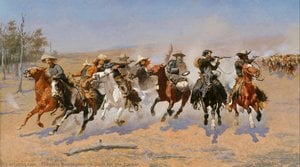
Frederic Remington’s “An Indian Trapper,” painted in 1889, isn't merely a depiction of a solitary figure on horseback; it’s a potent distillation of the burgeoning mythology surrounding the American West during a period of profound transformation. This oil-on-canvas masterpiece captures a moment suspended between tradition and encroaching modernity, embodying both the romanticized vision of frontier life and the unsettling reality of displacement for Native American communities.
The scene unfolds within a vast, rugged landscape—a palette dominated by ochre browns, deep blues, and muted greens. The composition is carefully constructed to emphasize the figure’s isolation and connection to his environment. A lone Native American man, clad in traditional buckskin garments and adorned with a distinctive headdress, surveys the horizon from atop a powerful chestnut horse. His posture exudes quiet confidence and an intimate understanding of the land—a stark contrast to the often-portrayed image of the savage or untamed wilderness.
Remington, initially trained as a journalist and illustrator for dime novels, possessed a remarkable ability to synthesize observation with artistic license. “An Indian Trapper” exemplifies this approach. While rooted in meticulous detail—notice the texture of the buckskin, the muscular build of the horse, and the subtle nuances of light and shadow—the painting transcends simple realism. Remington employs a slightly heightened palette and dramatic lighting to evoke a sense of grandeur and timelessness, aligning with the conventions of Romanticism.
His brushwork is loose and expressive, particularly in the depiction of the landscape, suggesting movement and vastness. The horse’s powerful stride is rendered with dynamic energy, while the man's stillness conveys a deep connection to his surroundings. Remington masterfully utilizes color to create depth and atmosphere, drawing the viewer into the heart of the scene.
“An Indian Trapper” emerged during a critical juncture in American history—the late 19th century witnessed escalating conflicts between settlers and Native American tribes following westward expansion. Remington’s work, while often celebrated for its romanticized portrayal of the West, is inextricably linked to this complex historical context. The painting can be interpreted as both an endorsement of the frontier spirit and a subtle commentary on the displacement of indigenous populations.
The figure's solitary stance reflects the increasing isolation experienced by Native Americans as their traditional ways of life were disrupted. The headdress, a symbol of leadership and spiritual authority, subtly hints at the cultural heritage being lost in the face of assimilation. Remington’s decision to depict the man on horseback—a mode of transportation increasingly associated with settlers—underscores this shift.
Despite its historical complexities, “An Indian Trapper” continues to resonate deeply with viewers today. The painting evokes a sense of melancholy and contemplation, prompting reflection on themes of identity, displacement, and the enduring relationship between humans and the natural world. It’s a powerful reminder of a vanishing way of life—a poignant testament to the beauty and tragedy inherent in America's westward expansion.
Reproductions of this iconic artwork offer an accessible means of experiencing Remington’s vision, allowing viewers to appreciate the artistry and historical significance of this enduring masterpiece. Its evocative imagery continues to captivate audiences seeking a glimpse into the heart of the American West.
ხელმისაწვდომია სლაიდშო: ფრედერიკ რემინგტონი-ის „An Indian Trapper“-ის სლაიდშოუ გვერდი.
ფრედერიკ რემინგტონი-ის „An Indian Trapper“-ის ხელით ნათესლიერი ასლების შეკვეთნა შეგიძლიათ ეს ვებსაიტი-ზე: ლენის ტილოზე შესრულებული ზეთწარმოთი, ხელით ნათესლით, მათი ხელით შესრულებული რეპროდუქცია გვერდიდან შეკვეთით.
ნამუშევრის „An Indian Trapper“ სინათლისა და სიბნელის კონტრასტი შეფასებულია როგორც Gentle. კონტრასტი აღწერს, თუ რამდენად მკვეთრად განსხვავდება ნათელი და ბნელი არეები ერთმანეთისგან.


1861 - 1909 , ამერიკის შეერთებული შტატები

Embark on a visual journey through the American wilderness. Discover the sublime beauty of Hudson River School landscapes, from Thomas Cole to Homer Dodge Martin, and learn how to bring this timeless, untamed spirit into your home with museum-quality art reproductions.

Explore the profound beauty of American art history. From the Hudson River School to iconic landscapes, discover a curated journey through the masterpieces that defined a nation's spirit and the enduring legacy of American Romanticism.
 წინასწარი ნახვა
 გაგზავნა
 გაზიარება
 დეტალები
 გზამკვლევი

 ჩამოტვირთვა
 მსგავსები
 რენტგენოგრაფიული კვლევა
 სლაიდშოუ
 კითხვა-პასუხი
 სტატისტიკა


 გააგრძელეთ კითხვა









 მინის ჩარჩოს არჩევანი შესაძლებელია მხოლოდ 110 სმ-მდე ზომისთვის