მხატვრის ბიოგრაფია
ფერებსა და სულში ჩაფლული ცხოვრება
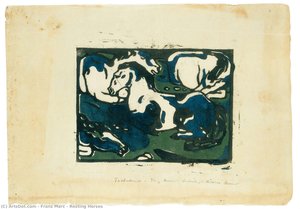
ფრანც მორის ვილჰელმ მარკი, რომელიც 1880 წელს მიუნხენში დაიბადა, იყო მხატვარი, რომლის მოკლე, მაგრამ ინტენსიურად ფოკუსირებულმა კარიერამ შეუქცევადად შეცვალა გერმანული ექსპრესიონიზმის გზა. მისი ისტორია არის ღრმა სულიერი ძიების ქრონიკა, რომელიც ცოცხალ ვიზუალურ ენად იქცა — ეს იყო სიცოცხლის არსის გაგების მცდელობა იმ სიწმინდის მეშვეობით, რომელიც მან ბუნებრივ სამყაროში, განსაკუთრებით კი ცხოველთა სამყაროში აღმოაჩინა. თავდაპირველად მასზე გავლენა მოახდინა მამამისზე, პეიზაჟის მხატვარ ვილჰელმ მარკზე, თუმცა ახალგაზრდა ფრანცის შემოქმედებითი გზა მაშინვე გარკვეული არ იყო. მან მცირე ხნით თეოლოგიაც კი განიხილა, ეჭვობდა რწმენისა და არსებობის საკითხებში, სანამ საბოლოოდ მიუნხენის ლამაზ ხელოვნებათა აკადემიაში ხელოვნებას არ მიებარდა. ეს ადრეული ექსკურსები რელიგიურ აზროვნებაში ღრმად დარჩა მის ნამუშევრებში და ჩამოაყალიბა რწმენა, რომ ხელოვნება შეიძლება იყოს სულიერი გამოცდილების მატარებელი. აკადემიურმა მომზადებამ მას ტექნიკური საფუძველი მისცა, მაგრამ სწორედ პარიზში ვიზიტისას ვინსენტ ვან გოგის შემოქმედებასთან შეხვედრამ გააღვიძა მისი ნამდვილი მხატვრული ხედვა. ვან გოგის ემოციურმა ფერწმენამ და პირველქმნილმა ექსპრესიამ ღრმად დაატრეს მარკი, რამაც იგი ტრადიციული ტექნიკებისგან გაათავისუფლა და უფრო სუბიექტური და ემოციურად დატვირთული სტილისკენ წაიყვანა.
ლურჯი მხედარი და ახალი მხატვრული ხედვა
მარკის შემოქმედებითი განვითარება არ იყო მარტოხელა პროცესი; იგი აყვავდა მე-20 საუკუნის დასაწყისის მიუნხენის დინამიკურ კონტესტში. მან სხვადასხვა მხატვრულ ჯგუფებში, მათ შორის Neue Künstlervereinigung München-შიც კი იღებდა ექსპერიმენტებს, სანამ 1911 წელს ვასილი კანდინსკისთან ერთად არ დააფუძნა „Der Blaue Reiter“ (ლურჯი მხედარი). ეს არ იყო მხოლოდ ჯგუფი ან გამოფენათა სერია; ეს იყო ფილოსოფიური და მხატვრული რევოლუცია. „ლურჯი მხედარი“ მიზნად ისახავდა მარცვლოვან რეპრეზენტაციასთან მიღმა გასვლას და სურდა შინაგანი სულიერი ჭეშმარიტებების გამოხატვა აბსტრაქციისა და სიმბოლური ფერის მეშვეობით. იგივე სახელწოდების ჟურნალი ამ იდეების გავრცელების პლატფორმად იქცა, სადაც არა მხოლოდ საკუთარი ნამუშევრები, არამედ სხვა პროგრესული ხელოვანების შემოქმედებაც წარდგებოდა და იკვლევდა მრავალფეროვან კულტურულ გავლენებს, ხალხური ხელოვნებიდან პრიმიტიულ სკულპტურამდე. ამ პერიოდში მარკის წვლილი გადამწყვეტი იყო. მან უარი თქვა პეიზაჟების სტატიკურად გამოსახვაზე და ყურადღება გადაიტანა ცხოველებზე — ცხენებზე, ირემებზე, მელებზე — როგორც სულიერი ენერგიის ჭურჭლებზე. ეს არ იყო მხოლოდ ცხოველთა პორტრეტები; ეს იყო უმანკოების, ჰარმონიისა და ბუნებთან კავშირის სიმბოლური გამოხატულება, რომლის დაკარგვაც, მისი რწმენით, კაცობრიობას დაემართა. რობერტ დელონეს აბსტრაქტული ფორმებისა და მკვეთრი ფერების კვლევამ კიდევ უფრო წაახალისა მარკი სიმარტივისკენ და მისი ნამუშევრების ემოციური გამძაფრებისკენ. ისეთი ტილოები, როგორიცაა „ტიგრი“ (1912) და „წითელი ირემი“ (1912), ამ გარდასახვლის მაგალითია, რაც აჩვენებს ფერების თამამ არჩევანს და აქცენტს ობიექტის რეალისტურ აღწერაზე გადატანილ, მის შინაგან თვისებებზე.
სიმბოლიზმი, ფერი და არსებობის ათავშნება
მარკის მხატვრული სტილი მყისიერად ამოსაცნობია ფერისა და ფორმის გამორჩეული გამოყენებით. იგი ფერს არა აღწერითად, არამედ სიმბოლური მნიშვნელობით იყენებდა. ლურჯი წარადგენდა სულიერებასა და მამაკაცურობას, ყვითელი — სიხარულსა და ქალურობას, ხოლო წითელი — ძალადობასა და მატერიალურობას. ეს არ იყო შემთხვევიური არჩევანი, არამედ საგულდაგულოდ აგებული სისტემა, რომელიც მიზნად ისახავდა კონკრეტული ემოციური და ფილოსოფიური იდეების გადმოცემას. მისი ცხოველები მხოლოდ სუბიექტები კი არა, ამ კონცეფციების განსახიერებაცაა. ფორმების გამარტივებამ — ფიგურების არსებით ფორმებამდე დაყვანამ — კიდევ უფრო გაუსღელავა იმ სულიერ არსს, რომლის ასლსაც იგი ეძებდა. „ლურჯი ცხენების კოშკი“ (1913), რომელიც სამწუხაროდ მეორე მსოფლიო ომის დროს დაიკარგა, შესაძლოა ამ მიდგომის ყველაზე საკულტო მაგალითია — ძლიერი და ემოციური კომპოზიცია, რომელიც მის მთელ მხატვრულ ხედვას მოიცავს. მას სჯეროდა, რომ ცხოველებს გააჩნდათ ბუნებასთან ისეთი შინაგანი სიწმინდე და კავშირი, რომელიც ადამიანებმა სოციალური შეზღუდვებისა და ინტელექტუალიზაციის შედეგად დაკარგეს. მათ ასეთი პატივისცემითა და სიმბოლური სიმძიმით გამოსახვით, მარკი ცდილობდა შეგვესმოनाდა ამ დაკარგული ჰარმონიის შესახებ და მოგვეყვანა ბუნებისადმი უფრო ღრმა აღფრთოვანებისთვის. მისი შემოქმედება ეხებოდა არა იმას, თუ რა დაინახა მან, არამედ იმას, თუ როგორ იგრძნო — ეს იყო ღრმად პერსონალური და სულიერი რეაგირება გარემოზე.
ტრაგედიული დასასრული და მარადიული მემკვიდრეობა
1914 წელს პირველი მსოფლიო ომის დაწყებამ დრამატულად შეცვალა მარკის ცხოვრება და შემოქმედებითი ტრაექტორია. მიუხედავად იმისა, რომ იგი ხელოვანის სტატუსის გამო თავდახსნას ცდილობდა, ის გერმანულ არმიაში მოიწოდეს, როგორც კ cavalry (კავალერიის) ჯგუფის წევრი. ომის საშინელებებმა მასზე ღრმა შთაბეჭდილება მოახდინა, თუმცა ქაოსის დროსაც კი იგი აგრძელებდა შემოქმედებას და თავის ხელოვნებაში პოულობდა სიმშვიდესა და აზრს. ტრაგედიულად, ფრანც მარკი 1ლი მარტის 1916 წელს, ვერდუნის ბრძოლაში დაიღუპა, რაც ხელოვნების სამყაროსთვის დამანგრეველი დანაკლისი იყო. მისმა ნაადრევმა სიკვდილმა შეწყვეტა პოტენციალებით სავსე კარიერა, მაგრამ ამავდროულად განამტკიცა მისი ადგილი თანამედროვე ხელოვნების ისტორიაში, როგორც საკვანძო ფიგურისა. მისი ნაშთები დღესაც რეზონანსს იწვევს, მოქმედებს ხელოვანთა თაობებზე და მაყურებელს თავისი ემოციური სიღრმითა და სულიერი სიმძიმით ტყვედ ატყვევებს. მარკის ნახატები წარდგენილია მსოფლიოს უმსხვილეს მუზეუმებში, მათ შორის მიუნხენის ლენბახჰაუსში, რომელიც ფლობს მისი შემოქმედების ვრცელ კოლექციას. იგი იხსენება არა მხოლოდ როგორც გერმანული ექსპრესიონიზმის პიონერი, არამედ როგორც ვიზიონერი მხატვარი, რომელსაც ბედავდა ხელოვნებას, სულიერებასა და ბუნებრივ სამყაროს შორის ღრმა კავშირის გამოკვლევას — მემკვიდრეობას, რომელიც დღემდე აღფრთოვანებასა და ჭვრეტას შთაგონებს. მისი მხატვრული ხედვა რჩება დასტურად იმისა, რომ ხელოვნებას შეუძლია გასცდეს მატერიალურ სამყაროს და შეეხოს ადამიანის სულში არსებულ უფრო ღრმა რაღაცას.



 ნახვა ინტერьерში
 გადართვა ბეჭდვის რეჟიმზე
 გაგზავნა
 გაზიარება
 დეტალები
 გზამკვლევი

 ჩამოტვირთვა
 მსგავსები
 რენტგენოგრაფიული კვლევა
 სლაიდშოუ
 Q&A
Q&A სტატისტიკა


 სრული ტექსტის ნახვა






































 მინის ჩარჩოს არჩევანი ხელმისაწვდომია მხოლოდ 110 სმ-მდე ზომისთვის