უფასო ხელოვნების კონსულტაცია

x
სურათის შეძენა სურათის შეძენაგამოსახულების შეძენა გამოსახულების შეძენა გაგზავნაგაგზავნა
დეტალებიდეტალები დამატება ფავორიტებში დამატება ფავორიტებში ჩამოტვირთვაჩამოტვირთვა მსგავსებიმსგავსები რენტგენოგრაფიული კვლევარენტგენოგრაფიული კვლევა სლაიდშოუსლაიდშოუ

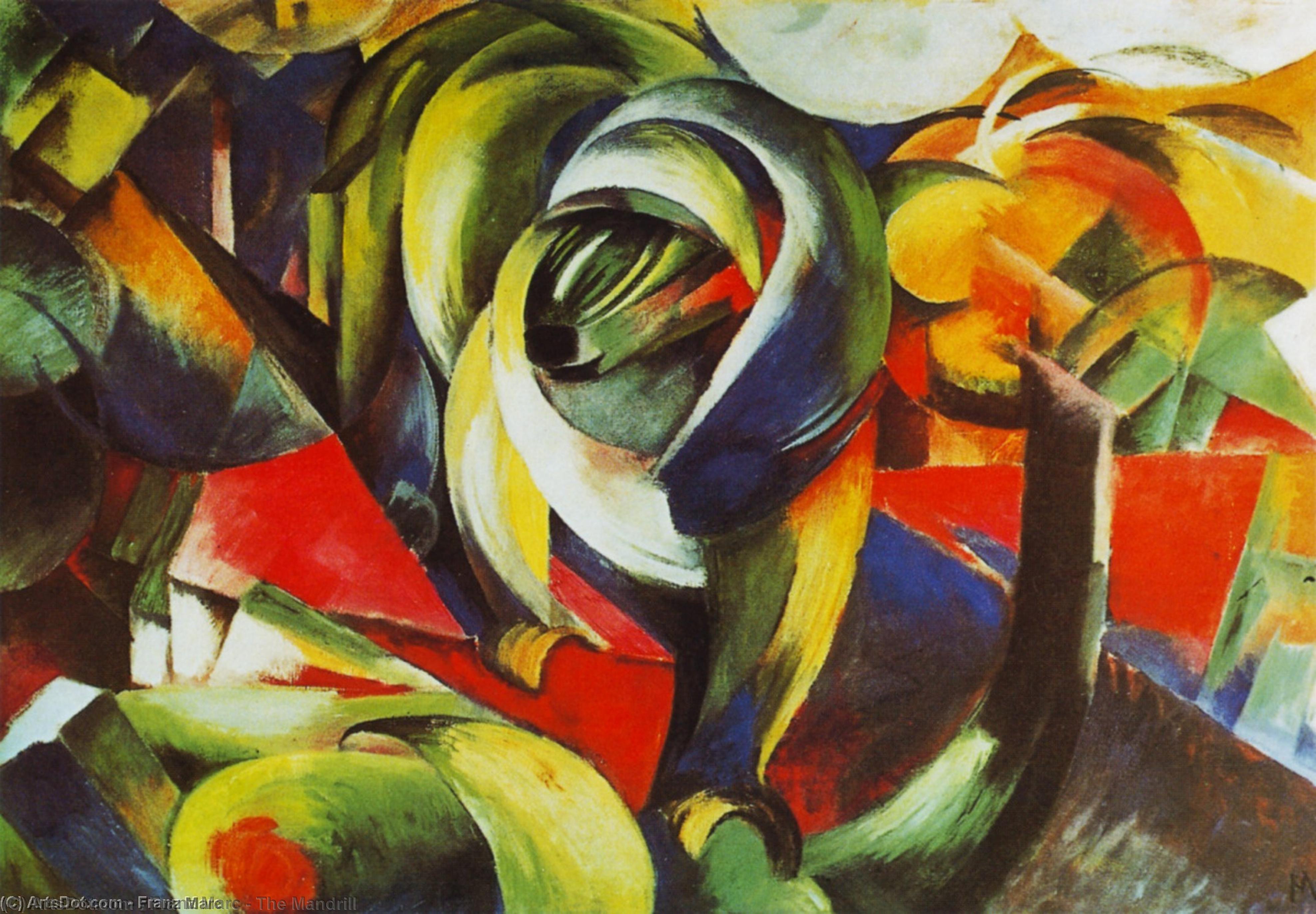
The Mandrill

გამოიკვლიეთ ფრანც მარკი (1880-1916), გერმანული ექსპრესიონიზმის პიონერი და "ლურჯი მხედარი" ჯგუფის თანადამაყრნებელი. აღმოაჩინეთ მისი გამორჩეული ცხოველთა გამოსახულებები, ნათელ ფერები და სულიერი თემები! გაიცანით მის მემკვიდრეობა!

გიკლე / ხელოვნების პრინტი

მუზეუმის დონის ჟიკლე ან ტილოზე ბეჭდვა სწრაფი წარმოებისა და დასრულების მოქნილი ვარიანტებით.

P118B $10
P118H $10
P118W $10
P438Z $10
P508JH $12
P508YH $12
P805H $10
P805Z $10
P919BZ $10
P919G $10
P919XJ $10
P959ZH $10
P968JZ $12
W106C $8
W218G $10
W218JH $8
W218Y $10
W307PJ $10
W316G $10
W316PJ $8
W316Y $10
W398PJ $8
W4111J $10
W500HY $15
W500JH $15
W692G $12
W849H $8
W940BG $15
W953PJ $8

Standard
custom
CM
INCH

აირჩიეთ ჩვენს მიერ წინასწარ განსაზღვრული ზომებიდან, რომლებიც ნაწარმოების ორიგინალურ პროპორციებს შეესაბამება.

სიგანე
სიმაღლე

თქვენ შეგიძლიათ მიუთითოთ საკუთარი ზომები კონკრეტული ჩარჩოსთვის ან სივრცისთვის მოსარგებლებლად. თუ თქვენ მიერ არჩეული ზომა არ შეესაბამება ორიგინალი გამოსახულების პროპორციებს, ჩვენ ან დავჭრით ნამუშევარს, ან გავაფართოვებთ გამოსახულებას სარკული ან ერთფეროვანი კიდეებით. წარმოების დაწყებამდე თქვენს დასამტკიცებლად გამოგეგზავნებათ ციფრული მაკეტი.
გთხოვთ, გაითვალისწინოთ, რომ ეკრანზე ნაჩვენები წინასწარი ნახვა არ ასახავს რეალურ ჭრას ან გაფართოებას. მხოლოდ მაკეტზე იქნება ზუსტად წარმოდგენილი საბოლოო კომპოზიცია.
მიუხედავად იმისა, რომ ინდივიდუალური ზომები ხელმისაწვდომია, ორიგინალური პროპორციების შესანარჩუნებლად გირჩევთ, აირჩიოთ ზომა წინასწარ განსაზღვრული სიისგან.

მიწოდება მთელ მსოფლიოში () 2 კვირაში, სტანდარტული 4/5 კვირის ნაცვლად. (3 ივლისი)

why_choose_icon
უფასო ექსპრეს მიწოდება მთელ მსოფლიოში
why_choose_icon
საბამად მაღალი ხარისხის ტილო
why_choose_icon
სრული ტრანსპორტირების დაზღვევა
why_choose_icon
საბაჟო გადასახადების დაბრუნების გარანტია
why_choose_icon
ფერების სრული შესაბამისობის გარანტია
why_choose_icon
60-დღიანი დაბრუნების პოლიტიკა (მხოლოდ დეფექტის შემთხვევაში)
why_choose_icon
100% თანხის დაბრუნების გარანტია
why_choose_icon
ფასდაკლება დიდი რაოდენობით შეკვეთისას

ჯამური ღირებულება

-

reproduction

The Mandrill

გიკლე / ხელოვნების პრინტი

რეკლამაციის ზომა

-

საბოლოო ფასი

-

მოკლე ინფორმაცია

  • Subject or theme: Animal Kingdom
  • Location: Staatsgalerie Moderner Kunst (Munich, Germany)
  • Notable elements or techniques: Geometric shapes & Bold colors
  • Influences: Vincent van Gogh
  • Year: 1913
  • Title: The Mandrill
  • Artist: Franz Marc

ხელოვნების ტესტი

თითოეულ კითხვაზე მხოლოდ ერთი სწორი პასუხია.

კითხვა 1:
What artistic movement is Franz Marc’s ‘The Mandrill’ primarily associated with?
კითხვა 2:
Where is ‘The Mandrill’ currently housed?
კითხვა 3:
What is a key characteristic of Marc’s style as demonstrated in ‘The Mandrill’?
კითხვა 4:
According to the description, what contributes to the painting’s visual complexity?
კითხვა 5:
What does Marc aim to convey through his depiction of animals in ‘The Mandrill’, reflecting his broader artistic philosophy?

საკლექციო აღწერა

A Symphony in Ochre and Emerald: Exploring Franz Marc’s “The Mandrill”

“The Mandrill,” painted by Franz Marc in 1913, stands as a cornerstone of German Expressionism—a movement that sought to convey raw emotion and spiritual insight through bold artistic choices. More than just a depiction of an animal, it's a profound meditation on the interconnectedness of nature and the human soul, rendered with meticulous care and imbued with Marc’s distinctive vision.

The Expressionist Spirit: Color as Emotion

Marc’s approach to painting wasn’t about capturing reality; it was about distilling its essence into pure feeling. The Expressionists rejected academic conventions, prioritizing subjective experience over objective representation. “The Mandrill” exemplifies this ethos perfectly. Dominating the canvas is a striking expanse of ochre—a color chosen not merely for its visual qualities but for its association with earthiness and stability, mirroring the primal power of the animal subject. Complementing this grounding hue are splashes of emerald green, symbolizing vitality and renewal, reflecting Marc’s fascination with the regenerative forces of nature. These colors aren't blended softly; they collide energetically, conveying a palpable sense of urgency and dynamism—a characteristic hallmark of Expressionist technique.

Composition and Form: Geometric Harmony Amidst Organic Detail

The painting’s composition is deceptively simple yet remarkably effective. A large, curving structure dominates the center, mirroring the mandrill's facial form—a deliberate gesture to emphasize its presence and convey a feeling of monumental grandeur. This central element is encircled by smaller shapes representing trees and foliage, creating a harmonious balance between organic forms and geometric abstraction. Marc skillfully employs angular lines and bold shapes to counteract the fluidity of the curves, generating visual tension that mirrors the complexities of the natural world. The artist’s meticulous attention to detail—the subtle shading on the leaves, the delicate rendering of feathers—adds depth and richness to the artwork without detracting from its overarching expressive intent.

Historical Context: Embracing Spiritual Renewal

“The Mandrill” emerged during a period of significant intellectual ferment in Germany. The Expressionist movement arose as a reaction against the perceived sterility of bourgeois culture and championed a return to primal instincts and spiritual contemplation. Marc’s involvement with Der Blaue Reiter—a journal dedicated to exploring artistic spirituality—underscored this commitment. He believed that art could serve as a vehicle for accessing deeper truths about existence, mirroring the broader cultural preoccupation with themes of faith and transcendence. The painting reflects the anxieties and aspirations of its time, capturing both the beauty and terror inherent in confronting the natural world.

Symbolism Beyond Representation

Beyond its formal qualities, “The Mandrill” is laden with symbolic significance. The mandrill itself—a primate known for its flamboyant plumage and aggressive behavior—represents strength and vitality, but also vulnerability and instinctual impulse. Marc’s use of color isn't merely decorative; it communicates emotional states—the ochre grounding the animal in stability while the emerald green embodies renewal and growth. Taken together, these elements suggest a profound awareness of the interconnectedness between humanity and nature, prompting viewers to consider questions of morality and spiritual responsibility.

A Legacy of Emotional Intensity

Franz Marc’s “The Mandrill” continues to resonate with audiences today because it transcends mere visual representation. It speaks directly to our emotions—to our yearning for beauty, our apprehension about the natural world, and our desire to connect with something larger than ourselves. Its bold colors, geometric forms, and evocative symbolism solidify its place as a masterpiece of Expressionist art—a testament to Marc’s unwavering belief in the transformative power of creativity and his enduring fascination with the spiritual dimension of existence.

დაკავშირებული ნამუშევრები


მხატვრის ბიოგრაფია

Franz Marc – Pioneer of German Expressionism

Franz Moritz Wilhelm Marc (8 February 1880 – 4 March 1916) was a German painter and printmaker, considered one of the most important figures in German Expressionism. He founded *Der Blaue Reiter* (The Blue Rider), alongside Wassily Kandinsky, August Macke, Franz Münzberger, Alexej von Jawlensky and Oskar Kokoschka—a journal whose name became synonymous with the artistic circle collaborating in it—and was instrumental in shaping its aesthetic principles. Marc’s artistic journey began amidst the intellectual ferment of Munich at the turn of the century, influenced by his father, Wilhelm Marc, a landscape painter who instilled in him an appreciation for natural beauty and contemplative observation. Sophie Marc, his mother, provided a grounding in Calvinist ethics—a worldview that profoundly impacted Marc's spiritual outlook and informed his artistic vision.
  • Early Life & Education: Marc’s formative years were marked by intense intellectual curiosity and a fascination with theology, mirroring the broader cultural debates of the time. Despite contemplating priesthood, he ultimately pursued art at Munich University’s Academy of Fine Arts, where he honed his skills under influential teachers like Gabriel von Hackl and Wilhelm von Diez.
  • Influences & Artistic Development: Marc's artistic sensibilities were decisively shaped by encounters with Impressionism during his travels to Paris in 1903—particularly the works of Vincent van Gogh, whom he regarded as a kindred spirit. Van Gogh’s expressive use of color and raw emotion served as a catalyst for Marc’s stylistic evolution, liberating him from academic conventions and propelling him toward a more subjective artistic approach.
  • Der Blaue Reiter & Artistic Philosophy: The establishment of *Der Blaue Reiter* in 1911 represented a pivotal moment in Marc's career—a bold assertion of artistic independence and a commitment to exploring the transformative potential of abstraction. Together with Kandinsky, Marc championed a radical aesthetic vision rooted in symbolism and color theory, aiming to transcend representational illusion and communicate profound spiritual truths.
  • Major Works & Artistic Style: Marc’s oeuvre is characterized by his distinctive preoccupation with animal subjects—particularly horses—which he treated as emblems of innocence, vitality, and connection to the natural world. His paintings exemplify a masterful blend of simplification, expressive brushwork, and vibrant color palettes—techniques that reflected both Impressionist influences and his own evolving artistic sensibilities.
  • Legacy & Historical Significance: Marc’s untimely death during World War I tragically curtailed his creative life but solidified his legacy as a visionary artist who championed the spiritual dimension of art—a contribution that continues to inspire admiration and contemplation within the art historical canon. His paintings are now housed in prominent museums globally, serving as enduring reminders of his pioneering role in German Expressionism and his profound engagement with existential questions.
Notable Paintings:
  • The Tower of Blue Horses (1913) – Demonstrates Marc’s masterful use of color symbolism and abstraction to convey spiritual contemplation.
  • Yellow Cow (1912) – Exemplifies his exploration of animal imagery as vehicles for expressing fundamental human emotions and beliefs.
  • The Tiger (1912) – Represents Marc's commitment to capturing the essence of nature through simplified forms and bold color combinations—a hallmark of his artistic style.
Franz Marc’s enduring influence stems from his unwavering belief that art could serve as a conduit for spiritual experience, prompting viewers to confront profound questions about existence and humanity’s relationship with the natural world.
ფრანც მარკი

ფრანც მარკი

1880 - 1916 , გერმანია

მოკლე ინფორმაცია

  • Artistic Movement Or Style: გერმანული გამოხდა
  • Artists Who Influenced This Artist:
    • ვინსენტი ვაგნოშ
    • რობერტ დელაუნეი
  • Date Of Birth: 8 თებერვალი 1880 წელი
  • Date Of Death: 4 მარტი 1916 წელი
  • Full Name: Franz Moritz Wilhelm Marc
  • Nationality: გერმანელი
  • Notable Artworks:
    • დიდი ლენგრიის ცხენი
    • ქალები მთაზე
  • Place Of Birth: მუნიხი, გერმანია
აღმოაჩინეთ ხელოვნების ნაწარმოებები თემების, სტილისა და მახასიათებლების მიხედვით დაჯგუფებული.