


 Oil On CanvasWallArtDutch Golden Age
 1623Early Modern
 70.0 x 62.0 cm
 ლუვრის მუზეუმი
ტილოზე შესრულებული ფერწერიანი ზეთប្រდათი, თქვენთვის სასურველი ზომისა და ჩარჩოსთვის, ჩვენი ხელოვანების მიერ შეკვეთის საფუძველზე დამზადებული. ( შეიძინეთ პრინტი შეიძინეთ გამოსახულება)





























აირჩიეთ ჩვენს მიერ წინასწარ განსაზღვრული ზომებიდან, რომლებიც ნაწარმოების ორიგინალურ პროპორციებს შეესაბამება.

თქვენ შეგიძლიათ მიუთითოთ თქვენთვის სასურველი ზომები კონკრეტული ჩარჩოს ან სივრცის შესაბამისად. თუ თქვენ მიერ არჩეული ზომა არ შეესაბამება ორიგინალი გამოსახულების პროპორციებს, ჩვენ ან შევაჭრებთ ნაწარმოებს, ან ტილოზე დავამატებთ ხელით მოხატულ ელემენტებს. წარმოების დაწყებამდე, დამტკიცებისთვის გამოგეგზავნებათ ციფრული მაკეტი.
გთხოვთ, გაითვალისწინოთ, რომ ეკრანზე ნაჩვენები წინასწარი შეხედულება არ ასახავს რეალურ შეჭრას ან გაფართოებას. საბოლოო კომპოზიციას ზუსტად მხოლოდ მაკეტი წარმოაჩენს.
მიუხედავად იმისა, რომ შესაძლებელია ინდივიდუალური ზომების შერჩევა, ორიგინალური პროპორციების შენარჩუნებისათვის გირჩევთ, გამოიყენოთ წინასწარ განსაზღვრული სიის ზომები.
მიწოდება მსოფლიო მასშტაბით -ში 3/4 კვირაში, სტანდარტული 5 კვირის ნაცვლად. (6 სექტემბერი). ხარისხზე კომპრომისის გაკეთება არ მოხდება.


Buffoon Playing a Lute
რეკლამაციის ზომა
In the heart of the seventeenth century, amidst the bustling prosperity of the Dutch Republic, there emerged a style of painting that breathed life into the mundane. Frans Hals I, a master of movement and emotion, achieved this feat most vibrantly in his 1623 masterpiece, Buffoon Playing a Lute. This work is far more than a mere portrait; it is a window into a fleeting moment of musical ecstasy. As you gaze upon the central figure, draped in a striking red and blue striped outfit, you are immediately drawn into his infectious smile. The musician is not simply performing; he is lost in the rhythm, his long hair cascading over his shoulders as he cradles his lute. This sense of spontaneous joy is mirrored by the subtle presence of onlookers in the background, whose attentive gazes complete a scene of shared human connection and communal delight.
For the discerning collector or interior designer, this painting offers a profound emotional resonance that transcends time. It captures the very essence of joie de vivre, making it an ideal centerpiece for spaces designed to inspire warmth, conversation, and vitality. Whether placed in a grand salon or a curated study, the piece serves as a reminder of the beauty found in life's unscripted, joyful interludes.
What sets this work apart from the more rigid, meticulous portraiture of its era is Hals’s revolutionary approach to technique. Moving away from the polished, almost porcelain-like finishes favored by many contemporaries, Hals embraced a loose, expressive brushstroke that would later influence the Impressionist movement. Upon closer inspection of a high-quality reproduction, one can truly appreciate the thick impasto and the energetic application of paint. This tactile quality allows light to dance across the canvas, creating a sense of atmospheric depth and shimmering realism.
Hals’s genius lies in his ability to use visible, bravura strokes to suggest texture and motion rather than defining every single thread of fabric or string of the lute. He skillfully blends colors to create soft shadows that recede into the background, ensuring that the luminous face of the buffoon remains the undisputed protagonist. This technique creates an incredible sense of immediacy; it feels as though the music is still vibrating through the air and the performer might break into song at any second. For those seeking art that possesses a "living" quality, Hals’s mastery of light and motion provides an unparalleled sensory experience.
To understand the Buffoon Playing a Lute is to understand the flourishing cultural landscape of Haarlem during the Dutch Golden Age. During this period, the Netherlands was experiencing unprecedented economic growth driven by maritime trade, which in turn fueled a massive demand for art that celebrated everyday life and middle-class values. Hals emerged from this environment as a pioneer of genre painting, elevating scenes of common folk to the level of high art through his psychological depth and technical innovation.
The painting serves as a testament to the era's shift toward realism and the celebration of the human condition. There is no heavy-handed symbolism here; instead, the symbolism lies in the music itself—a metaphor for harmony, vitality, and the fleeting nature of pleasure. Owning or displaying a reproduction of this work allows one to bring a piece of this historical brilliance into a modern setting, bridging the gap between the seventeenth-century Dutch Republic and the contemporary aesthetic. It is an investment in a legacy of creativity, capturing a timeless fragment of human happiness that continues to captivate audiences at the Musée du Louvre and beyond.

ფრანს ჰალსი, დაბადებული დაახლოებით 1580 წელს ანტვერპენში, ბელგიაში, იყო ნიდერლანდური ოქროს ხანის გამორჩეული მხატვარი. მისი ადრეული ცხოვრება გარშემორტყმულია საიდუმლოებით, თუმცა მან მალევე მოიპოვა მნიშვნელოვანი აღიარება და გახდა ამ ეპოქის ერთ-ერთი უდიდესი წარმომადგენელი, ცნობილი ინოვაციური პორტრეტული ხატვითა და ყოველდღიური სცენების გამოსახულებით. ჰალსის ხელოვნება არა მხოლოდ ტექნიკური virtuosity-ით, არამედ ადამიანის ფსიქოლოგიის სიღრმისეული გაგებითაც გამოირჩევა.
ჰალსის ჩამოყალიბების პერიოდი ნაკლებად არის ცნობილი. ვარაუდობენ, რომ მან თავისი პირველი სამხატვრო გამოცდილება ანტვერპენში მიიღო, რომელიც იმ დროს მნიშვნელოვან საფერფლეტო კένტრს წარმოადგენდა. თუმცა, რელიგიური და პოლიტიკური არეულობების გამო მისი ოჯახი ჰაარლემში გადავიდა ნიდერლანდებში. 1610 წელს იგი შეუერთდა ჰაარლემის წმინდა ლუკას გილდიას, რაც მის პროფესიონალურ კარიერას ფორმალურად დაადასტურა.
ჰალსი გამოირჩეოდა განსაკუთრებული სიახლისა და სპონტანურობის მქონე სტილით. იმ დროს პოპულარული, დეტალური მიდგომებისგან განსხვავებით, ჰალსმა გამოიყენა თავისუფალი და გამომსახატავი ხაზი. ამ ტექნიკამ მის ნახატებს უნიკალური სიცოცხლისუნარიანი ელფერი შესძინა, რაც მისი სუბიექტების პიროვნებასა და ხასიათს წარმოაჩენდა რევოლუციული ფორმით. ჰალსის პორტრეტები მხოლოდ მსგავსება არ იყო; ისინი ფსიქოლოგიური შესწავლა იყო.
ჰალსმა შექმნა მრავალი შედევრი, თუმცა ყველაზე მეტად პორტრეტებითაა ცნობილი. მის გამორჩეულ ნახატებს შორის არის:
მისი ყოველდღიური სცენების გამოსახულებებმა – ნიდერლანდური საზოგადოების ფრაგმენტები – მომხიბლავი ჩანახატები შემოგვთავაზა.
ჰალსის პირდაპირი გავლენის განსაზღვრა რთულია, რადგან მან საკუთარი, უნიკალური სტილი ჩამოაყალიბა. თუმცა, შესაძლებელია, რომ იგი ადრეულ ფლამანდელ მხატვრებს, როგორიცაა პიტერ ბრუგელი უფროსი, იცნობდა. მისმა ინოვაციურმა მიდგომამ პორტრეტულ ხატვისადმი შემდგომ თაობების დამოკიდებულებას მნიშვნელოვნად შეცვალა.
ფრანს ჰალსმა გადამწყვეტი როლი ითამაშა ნიდერლანდური ხატვის ჩამოყალიბებაში ოქროს ხანაში. მისი ნამუშევრები ასახავს ქვეყნის აყვავებულობასა და ინდივიдуаლიზმის ზრდას იმ პერიოდში. მან უარი თქვა ფორმალურ rigidity-ზე და უფრო ბუნებრივი და გამომსახატავი სტილისკენ გაემართა, რაც ხელოვნების სამყაროში ეკვერცხი მიიტანა.
დღეს მისი ნახატები დიდი მოთხოვნადია და მსოფლიოს წამყვან მუზეუმებში ინახება, მათ შორის ფრანს ჰალსის მუზეუმში ჰაარლემში, სადაც მისი ყველაზე დიდი კოლექცია არის წარმოდგენილი. მისი შემოტანა დღესაც ა inspires-ებს მხატვრებს და ასობით წლით მოგვიანდგომებსაც აღაფრთოვანებს.

1580 - 1585 , ბელგია

Embark on a sophisticated journey through the Dutch Golden Age. Unveil the dramatic brilliance of Rembrandt’s chiaroscuro and the expressive landscapes of 17th-century masters in this authoritative exploration of light, shadow, and enduring artistic legacy.

Explore the breathtaking mastery of Dutch Golden Age landscapes. From Italianate light to atmospheric realism, discover the techniques of 17th-century masters and learn how to bring these timeless, museum-quality masterpieces into your home through expert oil reproductions.
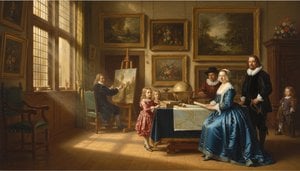
Embark on a journey through the Dutch Golden Age. Discover how masters like Rembrandt and Vermeer used chiaroscuro to manipulate light and shadow, creating timeless depth and spiritual resonance in art history's most captivating masterpieces.

 წინასწარი ნახვა
 გაგზავნა
 გაზიარება
 დეტალები

 ჩამოტვირთვა
 მსგავსები
 რენტგენოგრაფიული კვლევა
 სლაიდშოუ
 გადასართად დაწვრილებით ნახეთ







 მინის ჩარჩოს არჩევანი ხელმისაწვდომია მხოლოდ 110 სმ-ზე ნაკლები ზომისთვის


