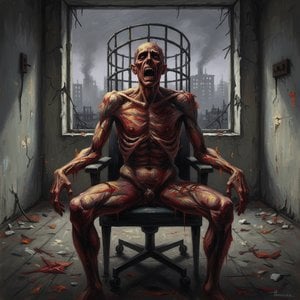
ფრანსის ბაკონი: არსებობის მძიმე სიმართლის მხატვერი
ფრანსის ბაკონი, XX საუკუნის ხელოვნების ერთ-ერთი ყველაზე მნიშვნელოვანი ფიგურა, დაიბადა დამოკიდებულობაში 1909 წლის 28 ოქტომბერს დუბლინში. მისი ცხოვრება სავსე იყო მოგზაურობით, არასტაბილური ურთიერთობებითა და მუდმივად მიმდინარე კვლევებით ადამიანის არსებობის ბნელსაშიერებაში. ბაკონი არ იყო ფორმალური განათლების მფლობელი, თუმცა მან სწრაფად შეიზიარა ხელოვნების ისტორიის ძირითადი ტენდენციები და შექმნა საკუთარი, უნიკალური სტილი, რომელიც გამოირჩევა ემოციური ინტენსივობითა და შიშველი რეალიზმით. მისი ადრეული წლები, რომლებიც ირლანდიდან ინგლისში ხშირ მოხვეულმა გადასვლებმა განპირობა, მისმა გრძნობამ დისლოკაციისადმი და უცხოობის შეგრძნებამ მნიშვნელოვანი როლი ითამაშეს მისი შემოქმედებაში. ბაკონის ოჯახი არ იყო ხელოვნების მიმართ ნათესავებიანი; მამის მკაცრი აღზრდა და დედის ფსიქიკური მდგომარეობა, ხშირად აგორებდნენ მას არსებობის ტკივილს, რომელიც მოგვიანებით მისი ტილოებზეც აისახებოდა.
მხატვრული გამდიდრება: პიკასო, შილე და ეიზენშტაინი
ბაკონის მხატვრული განვითარება არ იყო ერთიანური პროცესი; ეს იყო სხვადასხვა შემოქმედებითი მოძრაობების, ისტორიული ფაქტორებისა და პირადი გამოცდილებების გამდიდრების შედეგი. პაბლო პიკასოს კუბისტური ნამუშევრებმა მას გაანთავისუფლა ტრადიციული წარმომადგენლობისგან, ხოლო ეგონ შილესმა – ადამიანის ფორმის გამომხატველი დეფორმაციისკენ მიმართა. თუმცა, გადამწყვეტი მომენტი მისი ცხოვრებაში სერგეი ეიზენშტაინის ფილმის *ბრძოლა „პოთემკინზე“* ნახვისას დადგა. ფილმის ვიზუალური შთამთევნებები, განსაკუთრებით ტიტანული სახის მწითარება, ბაკონის შემოქმედებაში განაგირებული გულმძიმე ტრაგიკის სიმბოლოდ იქცა. ამას გარდა, ბაკონი დიდ ყურადღებას ეთმობოდა ძველი მასტერების ნაწარმოებებს, განსაკუთრებით დიეგო ველაზკესის *ინოკენტის პაპისა* გამოსახულებას, რომელსაც ის არაერთხელ გადაამუშავებდა, ტრანსფორმირებდა და ახალ მნიშვნელობებს აძლევდა.
სტილის ფორმირება: დეფორმაცია და იზოლაცია
1944 წელს შექმნილი *სამი შესწავლა ფიგურებისთვის გოტიკური კრუცფიქსია* ბაკონის გამორჩეული სტილის ნათელი მაგალითია. ტრიპტიხში მოქცეულია დეფორმირებული, გაწყობილი ფიგურები, რომლებიც ჰაერის სივრცეში იზოლირებულად არიან განთავსებულნი. ეს არ არის რელიგიური სისყიდრის აღწერა, არამედ ადამიანის ტკივილის დანარჩენი, რომელიც ყველა დამშاهدებელს აიძულებს, შეხედოს არსებობის მძიმე სიმართლეს. ბაკონი ხშირად იყენებდა გეომეტრიულ კონსტრუქციებს – კერებსა და ყუთებს – რათა მისი ფიგურები გამოეყო გარემოდან და გაავრცელოს მათი მარტოობა და უძლევრობის გრძნობა. მისი პალიტრა ხშირად არის მორცული და ნაცრისფერი, რაც ასახავს არსებობის ბნელსა და ტრაგიკულ მხარეებს, თუმცა ის ასევე იყენებს ინტენსიურ ფერებს, რომლებიც ემოციური ეფექტს ამძაფრებენ.
მნიშვნელოვანი თემები: სიკვდილი, ტკივილი და ადამიანის მდგომარეობა
ბაკონის შემოქმედებაში მუდმივად ისევ-ისევ დაბრუნებას პოულობს ისეთი თემები, როგორებიცაა კრუცფიქსაცია, რომელიც ტანჯვის სიმბოლოდ გვევლება, პორტრეტები, რომლებიც მისი ახლო მეგობრებისა და საყვარელ ადამიანების ფსიქოლოგიურ სიღრმეს აჩვენებს, და ავტოპორტრეტები, რომლებიც თვითშუალედის და სიკვდილის საკითხებზე განიხილავს. *ვლაზკესის პაპისა გამოსახულების შესწავლა* მისი ყველაზე ცნობილი ნაწარმოებთა შორის არის, სადაც ის ველაზკესის ავტორიტეტულ გამოსახულებას ტანჯული ფანტომად გარდაქმნის, რომელიც არსებობის შიშს გამოხატავს. ბაკონის პორტრეტები გიორგ დიერისგან, მისი არასტაბილური საყვარლისგან, განსაკუთრებით მძიმეა და ასახავს მათი ურთიერთობის ინტენსივობასა და ტრაგიკულ შედეგებს. ბაკონი არ ცდილობდა კონკრეტული ადამიანების გამოსაჩაღებას; ის სწავლობდა ადამიანის არსებობის უნივერსალურ თემებს, როგორებიცაა სიმშვიდე, მარტოობა და სიკვდილი.
მემკვიდრეობა: ხელოვნების კონვენციების გამოწვევა
ფრანსის ბაკონის გავლენა XX საუკუნის ხელოვნებაზე უნარი შეზღუდვადია. მან ხელი მოგერია ტრადიციულ წარმომადგენლობას, და არასტაბილური სილამაზის ნაცვლად, ადამიანის მდგომარეობის პირდაპირი და გულწრფელი აღწერა წარმოადგინა. მისი ნაწარმოებები თაობების ხელოვანებს აძლევდნენ შთაგონებას, ახალი გამოხატვის ფორმებისკენ მიმართავდნენ და ტრადიციული ხელოვნების საზღვრებს უმაღლესდნენ.
- ომამდელი ექსპრესიონიზმი: ბაკონი არის ამ მოძრაობის ერთ-ერთი მთავარი ფიგურა, რომელიც თავისი смелостью და ფსიქოლოგიური სიღრმით ხელოვანებს ზემოქმედებას ახდენს.
- არგოს ექსპონატები და მუზეუმების გამოფენები: მისი ნამუშევრები დღესაც იწვევს მსოფლიო აღიარებას, რეკორდულ ფასებში იყიდება аукционах-ზე და მსხვილ მუზეუმებში გამოიფინება.
- სიმართლის კონფრონტაცია: ბაკონის მემკვიდრეობა მდგომარეობს ადამიანის არსებობის არამშვიდობიან სიმართლესთან პირდაპირი დაპირებაში, რომელიც ხელოვნების საშუალებით გრძნობებს აღძრავს.
მიუხედავად იმისა, რომ მისი პირადი ცხოვრება სავსე იყო ტრაგიკული მოვლენებით, ბაკონი თავდაუღებლად მუშაობდა ხელოვნელობაზე სიკვდილამდე. მან დატოვა ნამუშევრების კრებული, რომელიც დღემდე აინტერესებს მსმენელს და ადასტურებს ხელოვნების უნარს, გულწრფელად აღიქვას ადამიანის არსებობის ყველაზე მძიმე კუთხეები.
მისი ტილოები არ არის მხოლოდ გამოსახულებები; ეს არის ვიზუალური გამოცდილება – ადამიანად ყოფნის არსებობის უნიკალური და ძლიერი გამოხატვა.



 ნახვა ინტერьерში
 გადართვა ბეჭდვის რეჟიმზე
 გაგზავნა
 გაზიარება
 დეტალები
 გზამკვლევი

 ჩამოტვირთვა
 მსგავსები
 რენტგენოგრაფიული კვლევა
 სლაიდშოუ
 Q&A
Q&A სტატისტიკა

 სრული ტექსტის ნახვა






































 მინის ჩარჩოს არჩევანი ხელმისაწვდომია მხოლოდ 110 სმ-მდე ზომისთვის