

ამ გვერდზე წარმოდგენილი ნამუშევარი დაცულია საავტორო უფლების შესახებ კანონმდებლობით, რაც იმას ნიშნავს, რომ ჩვენ არ გვაქვს მისი იდენტური რეპროდუქციის შექმნის ან გაყიდვის სამართლებრივი უფლება. აღნიშნული დაცვა უზრუნველყოფილია ისეთი საერთაშორისო შეთანხმებებით, როგორიცაა ბერნის კონვენცია და ეროვნული კანონმდებლობით, მათ შორის იმ კანონებით, რომლებიც დეტალურად არის გაწერილი აშშ-ის საავტორო უფლების შესახებ კანონი - თავი 17.
ეს მეთოდი სრულად შეესაბამება საავტორო უფლებების რეგულაციებს, რადგან ის არ გულისხმობს დაცული ნამუშევრის კოპირებას ან დუბლირებას. ამგვარად, ეს წარმოადგენს შემოქმედებით რეინტერპრეტაციას — ახალ ნახატს, რომელიც შთაგონებითაა განპირობებული ორიგინალით, თუმცა არ არის მის იდენტურ ასლს.
მუზეუმის დონის ჟიკლე ან ტილოზე ბეჭდვა სწრაფი წარმოებისა და დასრულების მოქნილი ვარიანტებით. ( შეიძინეთ ხელით შესრულებული ნახატი გადართვა ციფრულ გამოსახულებაზე)





























აირჩიეთ ჩვენს მიერ წინასწარ განსაზღვრული ზომებიდან, რომლებიც ნაწარმოების ორიგინალურ პროპორციებს შეესაბამება.

შეიყვანეთ თქვენთვის საჭირო სიგანე და სიმაღლე, რათა გამოსახულებამ თქვენს ჩარჩოს ან კედელს ზუსტად მოერგოს. ბეჭდვისას შესაძლებელია მხოლოდ მისი შემცირება და არა გაზრდა, ამიტომ სხვა ფორმის ზომის შემთხვევაში სურათი ნაწილობრივ იკარგება. სანამ რაიმეს დაბეჭდავთ, ჩვენ გამოგიგზავნით ციფრულ მაკეტს დასდასტურებლად. ამ გვერდზე ნაჩვენები სურათი არ ასახავს რეალურ ჭრას — ამას მხოლოდ მაკეტი გვიჩვენებს.
მიწოდება მთელ მსოფლიოში () 2 კვირაში, სტანდარტული 4/5 კვირის ნაცვლად. (9 ნოემბერი)
Study for a Pope III,
რეპროდუქციის ზომა
Francis Bacon’s “Study for a Pope III,” painted in 1961, isn’t merely a depiction of a figure; it’s an excavation of the human psyche. This monochrome masterpiece, born from a period of intense introspection and societal upheaval following World War II, embodies the artist's signature style – a brutal honesty that confronts viewers with the unsettling realities of existence. The painting immediately arrests attention with its claustrophobic composition: a seated figure, rendered in stark shades of grey, is enveloped within a tightly defined space, dominated by vertical lines that seem to constrict and isolate. This isn’t a portrait intended for admiration; it's an exploration of vulnerability, anxiety, and the inescapable weight of mortality.
The subject, clearly referencing Velázquez’s iconic “Portrait of Pope Innocent X,” is deliberately distorted and fragmented. Bacon abandons the traditional conventions of Renaissance portraiture, stripping away any semblance of idealized beauty or serenity. Instead, we are presented with a figure whose features – a tilted head, a furrowed brow, an almost skeletal hand clutching at his robe – convey profound unease. The red drapery, a jarring contrast against the predominantly grey palette, adds to this sense of tension and perhaps hints at the weight of religious authority or the burden of leadership.
Bacon’s “Study” isn't simply a copy of Velázquez; it’s a deliberate engagement with a master whose work he deeply admired. The composition, particularly the use of vertical lines and the emphasis on the figure’s posture, directly references the Spanish painter’s masterful control of space and his ability to capture psychological depth within a relatively small format. However, Bacon subverts Velázquez's carefully constructed realism by injecting an overwhelming sense of emotional turmoil. The starkness of the monochrome palette amplifies this effect, eliminating any distractions and forcing the viewer to confront the raw intensity of the subject’s expression.
Furthermore, the title “Study” is crucial. It signifies that this isn't a finished work but rather an exploratory sketch – a preliminary investigation into a complex idea or emotion. It reveals Bacon’s process: a relentless pursuit of capturing fleeting moments of feeling and translating them onto canvas. The painting becomes a testament to his dedication, a visual record of the artist wrestling with his subject.
Bacon's technique is characterized by loose, gestural brushstrokes that create a sense of movement and instability. The paint seems to writhe across the canvas, mirroring the figure’s internal turmoil. The use of impasto – thick layers of paint – adds texture and physicality to the image, further emphasizing its emotional intensity. The simplification of form—reducing the Pope to essential shapes—heightens the sense of abstraction and allows the viewer to project their own anxieties onto the subject.
Beyond the immediate depiction of a figure, “Study for a Pope III” speaks to broader themes of isolation, power, and the human condition. It’s a powerful meditation on vulnerability in the face of authority, a haunting reminder of our shared mortality. The painting's enduring appeal lies in its ability to evoke a visceral response – a feeling of unease, perhaps even dread – that lingers long after viewing.
WahooArt offers meticulously crafted hand-painted reproductions of “Study for a Pope III,” allowing you to experience the full impact of this iconic work in your own space. These reproductions capture not only the visual details but also the emotional depth and textural qualities of the original painting. Whether displayed as a striking statement piece or integrated into a more subtle interior design scheme, Bacon’s “Study for a Pope III” is guaranteed to provoke thought and conversation.
ფრანსის ბეკონი-ის „Study for a Pope III,“-ის AR წინასწარი ნახვა გვერდი იყენებს დამატებულ რეალობას, რათა თავსებად მოწყობილობაზე ხელოვნების ნიმუში თქვენს საკუთარ სივრცეში დაგინახოთ.
ფრანსის ბეკონი-ის „Study for a Pope III,“ წარმოადგენს Strong Color Unity ფერთელას ჰარმონიას.
ფრანსის ბეკონი-მა შექმნა „Study for a Pope III,“ 1961 წელს.


1909 - 1992 , ირლანდია

Discover the raw emotion of Symbolic Expressionism. Our expert guide explores how masters like Munch use color and form to convey inner feelings, offering inspiration for collectors looking to bring powerful, soulful art into their modern homes.

აღმოაჩინეთ ფრენსის ბეკონის 25 გამორჩეული ნამუშევარი. ექსპრესიონიზმის გენიოსი, მუქი ფერები და ტრავმული თემები. შეიძინეთ უმაღლესი ხარისხის რეპროდუქციები WahooArt-ზე და შექმნით განსაცვიფრებელი ინტერიერი! Explore the full collection online.
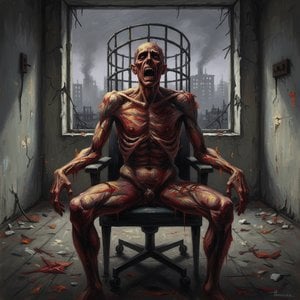
Explore the profound existential anguish of Francis Bacon's art. Discover how trauma shaped his iconic paintings & lasting influence on modern expressionism. A guide for discerning collectors.

Explore 10 Expressionist paintings that revolutionized art! Discover Munch, Kirchner & Kandinsky's iconic works. Find museum-quality reproductions and vibrant canvas prints to elevate your home decor on WahooArt.com.

აღმოაჩინეთ ლეონარდო და ვინჩის 25 უნიკალური შედევრი! მონა ლიზა, უკანასკნელი სადილობა და სხვა რენესანსული ნახატები – ისტორია, ტექნიკა, შთაგონება. ხარისხიანი რეპროდუქციები თქვენი სახლისთვის WahooArt-ზე! Explore the full collection online.
 წინასწარი ნახვა
 გაგზავნა
 გაზიარება
 დეტალები
 გზამკვლევი

 ჩამოტვირთვა
 მსგავსები
 რენტგენოგრაფიული კვლევა
 სლაიდშოუ
 კითხვა-პასუხი
 სტატისტიკა

 გააგრძელეთ კითხვა









 მინის ჩარჩოს არჩევანი შესაძლებელია მხოლოდ 110 სმ-მდე ზომისთვის


