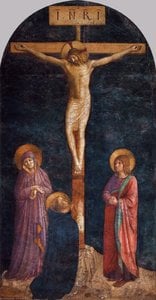
The Institution of the Eucharist: A Window into Fra Angelico’s Soul
Fra Angelico’s “Institution of the Eucharist,” painted between 1441 and 1442 within Cell 35 of the Convento di San Marco in Florence, isn't merely a depiction of a biblical event; it’s a profound meditation on faith, devotion, and the very essence of Christian belief. Nestled within the austere walls of a Dominican friary, this fresco transcends its physical setting to become a luminous testament to Angelico’s unique artistic vision and spiritual depth. The scene unfolds with an almost startling intimacy – Christ at the center of a simple wooden table, surrounded by his twelve disciples, engaged in the solemn act of sharing bread and wine. It's a moment rendered not with grand theatricality, but with a quiet reverence that invites the viewer into a deeply personal communion.
The artist’s mastery lies not just in technical skill – though it is undeniably exquisite – but in his ability to imbue every element of the composition with symbolic weight. The architectural setting, meticulously rendered using linear perspective, isn't simply a backdrop; it subtly echoes the structure of the convent itself, creating a visual dialogue between the earthly realm and the divine. Notice how the arches of the cell’s ceiling mirror the curve of the table, drawing our eye back to Christ at its heart. The figures are not idealized portraits but rather representations of ordinary men – each with distinct gestures and expressions that convey their individual responses to this sacred event. The use of light is particularly noteworthy; it doesn't flood the scene with brilliance, but instead casts a soft, diffused glow, suggesting the presence of God’s grace.
Fra Angelico: A Life Dedicated to Art and Faith
To fully appreciate “The Institution of the Eucharist,” we must understand the artist himself – Fra Angelico, or Guido di Pietro as he was originally known. Born in Rupesana near Florence around 1395, he entered the Dominican Order at a young age, dedicating his life to prayer and service. His artistic career blossomed within the confines of the San Marco friary, where he created a remarkable series of frescoes that transformed the cell walls into a visual sermon. Unlike many artists of his time who sought patronage from wealthy families or the Church hierarchy, Angelico remained a humble servant of God, prioritizing spiritual devotion above all else. This dedication is palpable in every brushstroke of his work – a quiet intensity and an unwavering commitment to portraying the sacred with sincerity and grace.
Angelico’s early training involved illumination and manuscript decoration, skills that honed his meticulous attention to detail and his understanding of color. He was profoundly influenced by Lorenzo Monaco, a prominent Florentine painter known for his elegant lines and decorative patterns. However, Angelico quickly developed his own distinctive style – characterized by its serene atmosphere, delicate colors, and profound spiritual depth. His work is often described as “Angelic” not just because of his name, but because it embodies a sense of purity, humility, and unwavering faith.
Visual Analysis: Light, Line, and the Language of Symbols
The fresco’s composition is carefully constructed to guide the viewer's eye towards Christ at its center. The use of linear perspective creates a convincing illusion of depth, drawing us into the scene and emphasizing the importance of this pivotal moment. Observe how Angelico masterfully manipulates light and shadow – not for dramatic effect, but to model the figures with subtle realism and to create a sense of volume and atmosphere. The drapery of the robes flows naturally, suggesting movement and vitality. The arrangement of the disciples around the table is deliberate; some are engaged in conversation, others in contemplation, reflecting the diverse ways in which individuals respond to this sacred event.
Beyond the technical brilliance, “The Institution of the Eucharist” is rich in symbolic meaning. The bread and wine represent Christ’s body and blood, offered as a sacrifice for the salvation of humanity. The act of sharing symbolizes unity and fellowship among believers. The presence of Mary, kneeling in prayer at the left side of the table, underscores her role as the Mother of God and intercessor for all humankind. This detail is particularly striking, as it was an unusual inclusion in depictions of this event during that period.
A Legacy of Devotion: Reproductions and Beyond
WahooArt offers meticulously crafted hand-painted reproductions of Fra Angelico’s “The Institution of the Eucharist,” allowing you to bring this masterpiece into your own home or office. Our artists recreate the fresco's luminous colors, delicate details, and profound spiritual atmosphere with unparalleled skill and precision. Whether you choose a large-scale oil painting reproduction or a smaller print on canvas, you’ll experience the enduring beauty and emotional power of this iconic work of art. This is more than just a decoration; it’s an invitation to contemplate the mysteries of faith and to connect with the timeless wisdom of Fra Angelico's soul.
To explore our range of reproductions and learn more about Fra Angelico, please visit WahooArt.com. For further research, we recommend exploring the resources linked below: [Wikipedia](https://en.wikipedia.org/wiki/Fra_Angelico) and [WGA](https://www.wga.hu/html_m/a/angelico/09/cells/35_eucha.html).



 წინასწარი ნახვა
 შეიძინეთ ხელით შესრულებული ნახატი
 გაგზავნა
 გაზიარება
 დეტალები
 გზამკვლევი

 ჩამოტვირთვა
 მსგავსები
 რენტგენოგრაფიული კვლევა
 სლაიდშოუ
 სტატისტიკა

 გადასართად დაწვრილებით ნახეთ






































 მინის ჩარჩოს არჩევანი ხელმისაწვდომია მხოლოდ 110 სმ-ზე ნაკლები ზომისთვის