წინასწარი ნახვა AR წინასწარი ნახვა შეიძინეთ ხელით შესრულებული ნახატი გადართვა ციფრულ გამოსახულებაზე გაგზავნა
დეტალები გზამკვლევი ფავორიტებში დამატება ჩამოტვირთვა მსგავსები რენტგენოგრაფიული კვლევა სლაიდშოუ კითხვა-პასუხი პრეზენტაცია სტატისტიკა

Three figures and three portraits Study

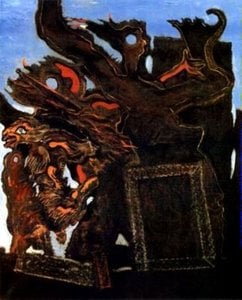
The painting depicts three figures and three portraits arranged amidst scattered bottles and bowls, embodying Léger's modernist style and capturing the energy of industrial progress.

ფერნანდ ლეგე (1881-1955) - ფრანგი მხატვერი, რომელმაც კუბიზმს უნიკალური ინტერპრეაცია მოგოცა. მისი გამორჩეული ტილოები, როგორიცაა "ტუბიზმი" და პოპ-არტის წინამორბედი, აღნიშნავს თანამედროვე ხელოვნების მნიშვნელოვან ეტაპს.

გიკლე / ხელოვნების პრინტი

მუზეუმის დონის ჟიკლე ან ტილოზე ბეჭდვა სწრაფი წარმოებისა და დასრულების მოქნილი ვარიანტებით. ( შეიძინეთ ხელით შესრულებული ნახატი გადართვა ციფრულ გამოსახულებაზე)

Corner sample of the P118B picture frame: ღუმლში ჩამჭედი პოლისტიროლი, 5 cm wide and 3 cm thick
P118B ₾10
Corner sample of the P118H picture frame: ღუმლში ჩამჭედი პოლისტიროლი, 5 cm wide and 3 cm thick
P118H ₾10
Corner sample of the P118W picture frame: ღუმლში ჩამჭედი პოლისტიროლი, 5 cm wide and 3 cm thick
P118W ₾10
Corner sample of the P438Z picture frame: ღუმლში ჩამჭედი პოლისტიროლი, 5.5 cm wide and 3.5 cm thick
P438Z ₾10
Corner sample of the P508JH picture frame: ღუმლში ჩამჭედი პოლისტიროლი, 7 cm wide and 3.5 cm thick
P508JH ₾12
Corner sample of the P508YH picture frame: ღუმლში ჩამჭედი პოლისტიროლი, 7 cm wide and 3.5 cm thick
P508YH ₾12
Corner sample of the P805H picture frame: ღუმლში ჩამჭედი პოლისტიროლი, 5 cm wide and 3.5 cm thick
P805H ₾10
Corner sample of the P805Z picture frame: ღუმლში ჩამჭედი პოლისტიროლი, 5 cm wide and 3.5 cm thick
P805Z ₾10
Corner sample of the P919BZ picture frame: ღუმლში ჩამჭედი პოლისტიროლი, 7 cm wide and 3.5 cm thick
P919BZ ₾10
Corner sample of the P919G picture frame: ღუმლში ჩამჭედი პოლისტიროლი, 7 cm wide and 3.5 cm thick
P919G ₾10
Corner sample of the P919XJ picture frame: ღუმლში ჩამჭედი პოლისტიროლი, 7 cm wide and 3.5 cm thick
P919XJ ₾10
Corner sample of the P959ZH picture frame: ღუმლში ჩამჭედი პოლისტიროლი, 5 cm wide and 3 cm thick
P959ZH ₾10
Corner sample of the P968JZ picture frame: ღუმლში ჩამჭედი პოლისტიროლი, 6 cm wide and 4 cm thick
P968JZ ₾12
Corner sample of the W106C picture frame: მასიური ხე, 5 cm wide and 3 cm thick
W106C ₾8
Corner sample of the W218G picture frame: მასიური ხე, 5 cm wide and 3 cm thick
W218G ₾10
Corner sample of the W218JH picture frame: მასიური ხე, 5 cm wide and 3 cm thick
W218JH ₾8
Corner sample of the W218Y picture frame: მასიური ხე, 5 cm wide and 3 cm thick
W218Y ₾10
Corner sample of the W307PJ picture frame: მასიური ხე, 6 cm wide and 3 cm thick
W307PJ ₾10
Corner sample of the W316G picture frame: მასიური ხე, 6 cm wide and 3 cm thick
W316G ₾10
Corner sample of the W316PJ picture frame: მასიური ხე, 6 cm wide and 3 cm thick
W316PJ ₾8
Corner sample of the W316Y picture frame: მასიური ხე, 6 cm wide and 3 cm thick
W316Y ₾10
Corner sample of the W398PJ picture frame: მასიური ხე, 5 cm wide and 3 cm thick
W398PJ ₾8
Corner sample of the W4111J picture frame: მასიური ხე, 6.5 cm wide and 3.5 cm thick
W4111J ₾10
Corner sample of the W500HY picture frame: მასიური ხე, 7 cm wide and 5 cm thick
W500HY ₾15
Corner sample of the W500JH picture frame: მასიური ხე, 7 cm wide and 5 cm thick
W500JH ₾15
Corner sample of the W692G picture frame: მასიური ხე, 8 cm wide and 4 cm thick
W692G ₾12
Corner sample of the W849H picture frame: მასიური ხე, 5 cm wide and 3 cm thick
W849H ₾8
Corner sample of the W940BG picture frame: მასიური ხე, 7.5 cm wide and 4.5 cm thick
W940BG ₾15
Corner sample of the W953PJ picture frame: მასიური ხე, 6 cm wide and 3.5 cm thick
W953PJ ₾8

სტანდარტული
სასურველი ზომა
CM
INCH

აირჩიეთ ჩვენს მიერ წინასწარ განსაზღვრული ზომებიდან, რომლებიც ნაწარმოების ორიგინალურ პროპორციებს შეესაბამება.

სიგანე
სიმაღლე

შეიყვანეთ თქვენთვის საჭირო სიგანე და სიმაღლე, რათა გამოსახულებამ თქვენს ჩარჩოს ან კედელს ზუსტად მოერგოს. ბეჭდვისას შესაძლებელია მხოლოდ მისი შემცირება და არა გაზრდა, ამიტომ სხვა ფორმის ზომის შემთხვევაში სურათი ნაწილობრივ იკარგება. სანამ რაიმეს დაბეჭდავთ, ჩვენ გამოგიგზავნით ციფრულ მაკეტს დასდასტურებლად. ამ გვერდზე ნაჩვენები სურათი არ ასახავს რეალურ ჭრას — ამას მხოლოდ მაკეტი გვიჩვენებს.

მიწოდება მთელ მსოფლიოში () 2 კვირაში, სტანდარტული 4/5 კვირის ნაცვლად. (8 ნოემბერი)

უფასო ექსპრეს მიწოდება მთელ მსოფლიოში
მაღალი ხარისხის ტილოს ქსოვილი
ტრანსპორტირების სრული დაზღვევა
საბაჟო გადასახადების დაბრუნების გარანტია
ფერების სრული შესაბამისობის გარანტია
დაბრუნების 100-დღიანი პოლიტიკა (მხოლოდ დეფექტის შემთხვევაში)
100% თანხის სრული დაბრუნების გარანტია
ფასდაკლება დიდი რაოდენობით შეკვეთისას

ჯამური ღირებულება

₾ 179

Three figures and three portraits Study

გიკლე / ხელოვნების პრინტი

რეპროდუქციის ზომა

-

საბოლოო ღირებულება

₾ 179

ძირითადი ინფორმაცია

  • Influences:
    • Georges Braque
    • Pablo Picasso
  • Movement: Cubism
  • Artistic style: Constructivism
  • Year: 1930
  • Dimensions: 75 x 60 cm
  • Artist: Fernand Léger

ტესტი ხელოვნების შესახებ

თითოეულ კითხვაზე მხოლოდ ერთი სწორი პასუხია.

კითხვა 1:
What artistic movement is Fernand Léger primarily associated with?
კითხვა 2:
The painting depicts a scene featuring what prominent element of the early 20th century?
კითხვა 3:
What is a notable characteristic of Léger's visual style, distinguishing it from many other artists of his time?
კითხვა 4:
The painting includes several bottles scattered throughout the area. What might these bottles symbolize in relation to Léger's artistic vision?
კითხვა 5:
Fernand Léger was born in Argentan, Normandy. What is significant about this location for understanding his artistic development?

A Symphony of Form and Industry

In Three Figures and Three Portraits Study, Fernand Léger presents far more than a mere arrangement of subjects; he offers a profound manifesto of engagement with the burgeoning industrial landscape of the early twentieth century. The painting invites viewers into a complex, rhythmic world where six individuals are depicted amidst a scattered collection of everyday objects, such as bottles and bowls. These elements serve as both compositional anchors and symbolic representations of life in motion. Through his unique method of constructive painting, Léger manages to retain essential visual references to the tangible world while simultaneously stripping away superfluous detail, creating a scene that feels both grounded in reality and elevated by abstraction.

The technique employed in this study is a masterful blend of geometric precision and organic texture. Léger’s distinctive style is characterized by bold shapes—cubes, cylinders, and spheres—arranged with meticulous care. Yet, these forms are far from sterile; they are brought to life through the use of impasto, where thick layers of paint create a palpable physicality on the canvas. This tactile quality conveys the raw energy and dynamism of industrial processes, hinting at an underlying organic rhythm that pulses beneath the surface of the mechanical aesthetic. For the collector or designer, this interplay of heavy texture and structured geometry offers a sophisticated visual depth that commands attention in any curated space.

The Pulse of the Machine Age

Emerging from a period of profound societal transformation, this work captures the very zeitgeist of the dawn of the machine age. As Léger witnessed the rapid urbanization and mechanization sweeping across Europe, his art became a mirror to the psychological impact of progress. In this composition, the scattered bottles are not merely decorative; they act as symbols of containment, perhaps representing the bottled-up anxieties and aspirations of humanity within an increasingly complex, modern world. The figures themselves embody a fascinating tension between human presence and mechanical influence, with faces presented as fragmented geometric shapes that suggest identity is subject to constant reconfiguration.

Despite its abstract leanings, Three Figures and Three Portraits Study possesses a remarkable emotional resonance. It exudes a subtle vibrancy—a quiet assertion of vitality that speaks to the transformative power of art. The painting invites contemplation not only of its visual spectacle but also of the deeper questions regarding human experience within an evolving, technological landscape. For those seeking inspiration through high-quality reproductions, this piece serves as a powerful window into a moment in history when the boundaries between humanity and industry began to dissolve, leaving behind a legacy of bold color, structural strength, and enduring spirit.

კითხვები და პასუხები

ფერნანდ ლეგე-ის „Three figures and three portraits Study“-ის ფერები გაჯერებულია თუ მკრთალი?

ფერნანდ ლეგე-ის „Three figures and three portraits Study“ ფერების სირთულე (დამკვეთភាព) არის Balanced Soft. სირთულე აღწერს, თუ რამდენად მკვეთრი ან მკვდარია ფერები.

რა სიკაშკაშეს ახასიათებს ნამუშევარს ფერნანდ ლეგე-ის „Three figures and three portraits Study“?

„Three figures and three portraits Study“-ის ფერები გამოირჩევა Dark სიკაშკაშით.

სახლის რომელი ნაწილი უხდება ყველაზე მეტად "Three figures and three portraits Study"-ის რეპროდუქციას?

ფერნანდ ლეგე-ის „Three figures and three portraits Study“-ისთვის რეკომენდებული სივრცე არის Living Room. ეს შემოთავაზება, რა თქმა უნდა, შეგიძლიათ თქვენს ინტერიერს მოარგოთ.


მხატვრის ბიოგრაფია

ფერნანდ ლეგერი: მანქანური ეპოქის მხატვარი

ფერნანდ ლეგერი, ნამდვილი სახელი ჟოზეფ ფერნან ანრი ლეგერი, დაიბადა 1881 წლის 4 თებერვალს არჟენტანსკოში, საფრანგეთში. მისი ბავშვობა გაატარა ნორმანდიის სოფლის პეიზაჟებში, რაც მის შემდგომ შემოქმედებაში ხშირად მოიხსენიება. მისი მამა მეცხვარე იყო, ხოლო დედა – თავდაყვᱮრებული ქალი, რომელმაც დიდი გავლენა მოახდინა ლეგერის პირველ პერიოდში. თავდაპირველად, ლეგერს ჰქონდა განათლება არქიტექტურაში, თუმცა მალევე გადაინაცვლა მხატვრობისკენ, რაც მისი ცხოვრების მთავარი მიმართულება გახდა. პარიზში ჩასვლის შემდეგ, მან სწავლა დაიწყო დეკორატიული ხელოვნების სკოლაში და მოგვიანებით, ცდილობდა ჩასვეს ბიელინის აკადემიაში, თუმცა უშედეგოდ. ამ პერიოდში მან მუშაობა დაიწყო არქიტექტურულ დრაფტთან, რაც მნიშვნელოვანი გამოცდილება აღმოჩნდა მისი შემდგომი კარიერისთვის.

კუბიზმის განვითარება და "ტურბიზმი"

XX საუკუნის დასაწყისი საფრანგეთისთვის რთული პერიოდი იყო – სწორედ მაშინ დაიწყო კუბიზმის წარმოშობა, რომელიც რადიკალურად შეცვალა ხელოვნების მსვლელობა. პოლ სეზანის შემოქმედების ნახვის შემდეგ ლეგერის ცხოვრებაში დიდი ცვლილება მოხდა. სეზანის გეომეტრიული ფორმებისა და ობიექტების ანალიზი მისმა მიერ ხელოვნების აღქმასაც შეუცვალა. ლეგერი აქტიურად ჩართულა კუბისტური მოძრაობაში, თუმცა მან საკუთარი, უნიკალური სტილი შექმნა, რომელიც კრიტიკოსებმა "ტურბიზმად" назвали. "ტურბიზმი" ხასიათდება ცილინდრულ ფორმებით, გაფანტული სივრცეებით და მკაფიო ფერების კონტრასტებით. ეს სტილი მანქანების ესთეტიკას ასახავს და წარმოადგენს ლეგერის შემოქმედების ერთ-ერთ მთავარ ნიშანს. 1909 წელს, მონპარნასში სტუდიის გაქირავებამ მას საშუალება მისცა გაიცნო სხვა მნიშვნელოვანი მხატვრები, როგორებიც არიან ალექსანდრე არჩიპენკო, ჟაკ ლიპიციცი და რობერტ დელონე. "ოქროს განყოფილებაში" (Section d'Or) მისი მონაწილეობა კიდევ უფრო გა deepened his exploration of mathematical principles in art.

პირველი მსოფლიო ომი და მექანიზაციის აღნიშვნა

პირველი მსოფლიო ომი ლეგერის ცხოვრებაში ტრაგიკული მოვლენა იყო, თუმცა მან მასზე შემოქმედებითი გავლენაც იქონია. მilitარებაში მომუშავე პერიოდისას მან უამრავ ჩანაწერს დახატა სამხედრო ტექნიკის შესახებ, რაც მის შემდგომ მუშაობაში გამოიხატება. ომის შემდეგ ლეგერის სტილი კიდევ უფრო გამარკვიათ და მანქანებისადმი მისი სიმპათია უფრო მკაფიო გახდა. მისი ტილოები ხასიათდება 단순화ებული ფორმებით, მკაფიო კონტურებით და ფერადი პლასტიკით, რაც მანქანების დინამიკასა და ეფექტურობას ასახავს. "სოლჯატი მუნთაში" (Soldier with a Pipe) მისი ამ პერიოდის ერთ-ერთი გამორჩეული ნაწარმოებია, რომელიც წარმოადგენს მექანიკური სიზუსტის სიმბოლურ გამოხატვას.

შემდგომი შემოქმედება და მემკვიდრეობა

ომის შემდეგ ლეგერი განაგრძო ექსპერიმენტები სხვადასხვა სახის ხელოვნების დარგში, მათ შორის სკულპტურისა და κινηოქინოსტან. მისმა "საზოგადოებრივი ნოველების" (Paysages animés) სერიამ გააერთიანა ადამიანური ფიგურები და მანქანები ჰარმონიულ კომპოზიციაში, რაც წარმოადგენს ორგანული და არავარგის ფორმების შერწყმას. ფერნანდ ლეგერის შემოქმედება მნიშვნელოვანი წინაპირობა იყო პოპ-არტის განვითარებისთვის. მისი გავლენა იგრძნობა როი ლიხტენშტეინისა და ენდი უორჰოლის შემოქმედებაში. ლეგერი იყო ისტორიაში გამორჩეული მხატვარი, რომელმაც მანქანების ეპოქას თავისი ხელოვნებით უნიკალური სახე მისცა. მისი ნამუშევრები დღესდღეობით მსოფლიოს წამყვან მუზეუმებშია განთავსებული და წარმოადგენს თანამედროვე ხელოვნების ერთ-ერთ ყველაზე მნიშვნელოვან ძეგლს. მისი მემკვიდრეობა არის არა მხოლოდ მხატვრის სახელი, არამედ თანამედროვეობის პროფეტის ტიტული.
ფერნანდ ლეგე

ფერნანდ ლეგე

1881 - 1955 , საფრანგეთი

მოკლე ინფორმაცია

  • Artistic Movement Or Style: კუბიზმი, ტუბიზმი
  • Artists Or Movements Influenced By This Artist: ['Pop Art']
  • Artists Who Influenced This Artist: ['პოლ სეზანი']
  • Date Of Birth: 1881 წლის 4 თებერვალი
  • Date Of Death: 1955 წლის 17 აგვისტო
  • Full Name: ფერნანდ ლეგე
  • Nationality: საფრანგეთი
  • Notable Artworks:
    • The Sitted Woman
    • Machine Element
    • The Great Parade
    • The City
  • Place Of Birth: არგენტანი, საფრანგო
აღმოაჩინეთ ხელოვნების ნაწარმოებები თემების, სტილისა და მახასიათებლების მიხედვით დაჯგუფებული.