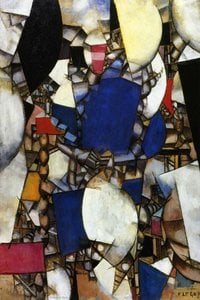
The typographer (1919), შემოქმედება ფერნან ლეგერი-ისგან; ხელოვანის მიერ შესრულებული ზეთისა და ტილოს რეპროდუქცია, ხელით ნათესრით
წინასწარი ნახვა AR წინასწარი ნახვა ბეჭდვის რეჟიმზე გადართვა გადართვა ციფრულ გამოსახულებაზე გაგზავნა
დეტალები გზამკვლევი ფავორიტებში დამატება ჩამოტვირთვა მსგავსები რენტგენოგრაფიული კვლევა სლაიდშოუ კითხვა-პასუხი პრეზენტაცია სტატისტიკა

The typographer ხელით ნათესლიანი ზეთის საღებავით შესრულებული რეპროდუქცია

ზომები
130.0 x 97.0 cm

Explore Fernand Léger’s groundbreaking cubist masterpiece—a vibrant depiction of a head interwoven with industrial elements like cars and clocks—capturing the energy of the machine age and inviting you to bring this iconic artwork into your home.

ტუბიზმის პიონერმა ფერნან ლეგერმა მანქანური ეპოქა ასახა. აღმოაჩინეთ მისი თამამი და რიტმული ტილოები დღესვე.

ზეთის საღებავით შესრულებული ხელით ნაკლნა

ტილოზე შესრულებული ფერწერიანი ზეთប្រდათი, თქვენთვის სასურველი ზომისა და ჩარჩოსთვის, ჩვენი ხელოვანების მიერ შეკვეთის საფუძველზე დამზადებული. ( ბეჭდვის რეჟიმზე გადართვა გადართვა ციფრულ გამოსახულებაზე)

Corner sample of the P118B picture frame: ღუმლში ჩამჭედი პოლისტიროლი, 5 cm wide and 3 cm thick
P118B ₾10
Corner sample of the P118H picture frame: ღუმლში ჩამჭედი პოლისტიროლი, 5 cm wide and 3 cm thick
P118H ₾10
Corner sample of the P118W picture frame: ღუმლში ჩამჭედი პოლისტიროლი, 5 cm wide and 3 cm thick
P118W ₾10
Corner sample of the P438Z picture frame: ღუმლში ჩამჭედი პოლისტიროლი, 5.5 cm wide and 3.5 cm thick
P438Z ₾10
Corner sample of the P508JH picture frame: ღუმლში ჩამჭედი პოლისტიროლი, 7 cm wide and 3.5 cm thick
P508JH ₾12
Corner sample of the P508YH picture frame: ღუმლში ჩამჭედი პოლისტიროლი, 7 cm wide and 3.5 cm thick
P508YH ₾12
Corner sample of the P805H picture frame: ღუმლში ჩამჭედი პოლისტიროლი, 5 cm wide and 3.5 cm thick
P805H ₾10
Corner sample of the P805Z picture frame: ღუმლში ჩამჭედი პოლისტიროლი, 5 cm wide and 3.5 cm thick
P805Z ₾10
Corner sample of the P919BZ picture frame: ღუმლში ჩამჭედი პოლისტიროლი, 7 cm wide and 3.5 cm thick
P919BZ ₾10
Corner sample of the P919G picture frame: ღუმლში ჩამჭედი პოლისტიროლი, 7 cm wide and 3.5 cm thick
P919G ₾10
Corner sample of the P919XJ picture frame: ღუმლში ჩამჭედი პოლისტიროლი, 7 cm wide and 3.5 cm thick
P919XJ ₾10
Corner sample of the P959ZH picture frame: ღუმლში ჩამჭედი პოლისტიროლი, 5 cm wide and 3 cm thick
P959ZH ₾10
Corner sample of the P968JZ picture frame: ღუმლში ჩამჭედი პოლისტიროლი, 6 cm wide and 4 cm thick
P968JZ ₾12
Corner sample of the W106C picture frame: მასიური ხე, 5 cm wide and 3 cm thick
W106C ₾8
Corner sample of the W218G picture frame: მასიური ხე, 5 cm wide and 3 cm thick
W218G ₾10
Corner sample of the W218JH picture frame: მასიური ხე, 5 cm wide and 3 cm thick
W218JH ₾8
Corner sample of the W218Y picture frame: მასიური ხე, 5 cm wide and 3 cm thick
W218Y ₾10
Corner sample of the W307PJ picture frame: მასიური ხე, 6 cm wide and 3 cm thick
W307PJ ₾10
Corner sample of the W316G picture frame: მასიური ხე, 6 cm wide and 3 cm thick
W316G ₾10
Corner sample of the W316PJ picture frame: მასიური ხე, 6 cm wide and 3 cm thick
W316PJ ₾8
Corner sample of the W316Y picture frame: მასიური ხე, 6 cm wide and 3 cm thick
W316Y ₾10
Corner sample of the W398PJ picture frame: მასიური ხე, 5 cm wide and 3 cm thick
W398PJ ₾8
Corner sample of the W4111J picture frame: მასიური ხე, 6.5 cm wide and 3.5 cm thick
W4111J ₾10
Corner sample of the W500HY picture frame: მასიური ხე, 7 cm wide and 5 cm thick
W500HY ₾15
Corner sample of the W500JH picture frame: მასიური ხე, 7 cm wide and 5 cm thick
W500JH ₾15
Corner sample of the W692G picture frame: მასიური ხე, 8 cm wide and 4 cm thick
W692G ₾12
Corner sample of the W849H picture frame: მასიური ხე, 5 cm wide and 3 cm thick
W849H ₾8
Corner sample of the W940BG picture frame: მასიური ხე, 7.5 cm wide and 4.5 cm thick
W940BG ₾15
Corner sample of the W953PJ picture frame: მასიური ხე, 6 cm wide and 3.5 cm thick
W953PJ ₾8

სტანდარტული
სასურველი ზომა
CM
INCH

აირჩიეთ ჩვენს მიერ წინასწარ განსაზღვრული ზომებიდან, რომლებიც ნაწარმოების ორიგინალურ პროპორციებს შეესაბამება.

სიგანე
სიმაღლე

შეიყვანეთ თქვენთვის საჭირო სიგანე და სიმაღლე, რათა ნახატი მოერგოს თქვენს ჩარჩოს ან კედელს. ვინაიდან ეს ნამუშევარი ხელით არის შესრულებული, სხვა ფორმის ზომის შემთხვევაში, მხატვარმა შესაძლოა სურათის გარშემო ოდნავ მეტი დატოვოს ან შეამციროს — არჩევანი თქვენზეა. დაწყებამდე, დასამტკიცებლად, ჩვენ გამოგიგზავნით ციფრულ მაკეტს. ამ გვერდზე ნაჩვენები სურათი არ ასახავს რეალურ შედეგს — რეალური სახე მხოლოდ მაკეტზე ჩანს.

რა შეიძლება შეიცვალოს: სახის ჩანაცვლება მომხმარებლის ფოტოთი; შინაური ცხოველის დამატება (მაგ., კატის ჩანაცვლება ძაღლით); ფონზე ფარული შეტყობინების დამატება; ფონის პეიზაჟის ან ელემენტების შეცვლა.
შეკვეთის შემდეგ, WahooArt.com გუნდი დაგიკავშირდებათ ელექტრონული ფოსტით ინსტრუქციებისთვის და გამოგიგზავნით წინასწარ ნახაზს (mockup).

მიწოდება მსოფლიო მასშტაბით -ში 3/4 კვირაში, სტანდარტული 5 კვირის ნაცვლად. (11 ნოემბერი). ხარისხზე კომპრომისის გაკეთება არ მოხდება.

უფასო ექსპრეს მიწოდება მთელ მსოფლიოში
მაღალი ხარისხის ტილოს ქსოვილი
ტრანსპორტირების სრული დაზღვევა
საბაჟო გადასახადების დაბრუნების გარანტია
ფერების სრული შესაბამისობის გარანტია
დაბრუნების 100-დღიანი პოლიტიკა (მხოლოდ დეფექტის შემთხვევაში)
100% თანხის სრული დაბრუნების გარანტია
ფასდაკლება დიდი რაოდენობით შეკვეთისას

ჯამური ღირებულება

₾ 706

The typographer

რეპროდუქციის მასალა

რეპროდუქციის ზომა

-

საბოლოო ღირებულება

₾ 706

ძირითადი ინფორმაცია

  • Year: 1919
  • Movement: Cubism
  • Location: Private Collection
  • Artist: Fernand Léger
  • Dimensions: 130 x 97 cm
  • Influences:
    • Picasso
    • Braque

A Pioneer of Geometric Abstraction: Exploring Fernand Léger’s “The Typographer”

Fernand Léger's "The Typographer," painted in 1919, isn’t merely a depiction of an object; it’s a declaration of artistic intent—a bold assertion that abstraction could simultaneously honor the tangible realities of the burgeoning industrial era. This striking canvas captures a head rendered in fragmented geometric shapes – cubes, cylinders, and planes – overlaid with vibrant hues of red, yellow, and blue. The inclusion of recognizable elements like a car and a clock serves as an ingenious counterpoint to the dominant visual language, grounding the abstract forms within the familiar contours of everyday life.
  • Style: Léger’s work exemplifies Cubism, specifically Analytical Cubism, pioneered by Picasso and Braque. Unlike Impressionists who sought to capture fleeting moments of light and color, Cubists dissected objects into their constituent parts, presenting multiple perspectives simultaneously on a single canvas.
  • Technique: Léger employed a meticulous layering technique, applying thin washes of pigment over a textured surface created with burlap or similar materials. This method ensured that the underlying structure remained visible, contributing to the painting’s sculptural quality and emphasizing its materiality.
The historical context surrounding “The Typographer” is crucial to understanding Léger's artistic vision. Created during the height of the First World War and immediately following the Russian Revolution, France was undergoing a profound transformation driven by technological advancements and societal upheaval. Léger responded to this period with an unwavering fascination for machines – their precision, their power, and their transformative influence on human existence. The repetition of geometric forms echoes the rhythmic patterns found in factory production lines, reflecting Léger’s belief that art should engage with the realities of modern life. Symbolism: Beyond its formal exploration of geometry and perspective, “The Typographer” carries symbolic weight. The head itself represents humanity—albeit abstracted—facing the challenges posed by industrialization. The juxtaposed objects – the car and the clock – symbolize progress and time, respectively, highlighting the artist’s preoccupation with capturing the spirit of a rapidly changing world. Léger deliberately avoids sentimental representation, opting instead for an emotionally resonant visual language that conveys both optimism and unease. Emotional Impact: “The Typographer” transcends mere aesthetic pleasure; it compels viewers to contemplate the relationship between art and technology. The painting’s bold colors and fractured forms generate a sense of dynamism and disorientation, mirroring the anxieties and aspirations of the era. Léger's intention wasn’t simply to depict what he saw but to express how he *felt* about the world around him—a feeling characterized by both wonder and apprehension. It remains an enduring testament to the transformative power of abstraction as a vehicle for conveying complex ideas and emotions.

კითხვები და პასუხები

რამდენი წლის იყო ფერნან ლეგერი, როდესაც 1919 წელს შექმნა „The typographer“?

ფერნან ლეგერი 38 წლის იყო, როდესაც 1919 წელს შექმნა „The typographer“. ასაკი გამოთვლილია ხელოვანის დაბადების წლის, 1881, საფუძველზე.

შეიძლება თუ არა "The typographer" შეძენა, როგორც მხატვრული პრინტი?

ფერნან ლეგერი-ის „The typographer“-ის პრინტის მისაღებად, უბრალოდ შეუკვეთეთ იგი მისი ხელოვნების მაღალი ხარისხის ბეჭედი გვერდიდან: ხელოვნების მაღალი ხარისხის ბეჭდური ბამბის ტილოს ან საარქივო ტილოს ქაღალდის ბაზაზე.

ვინ შექმნა "The typographer" და რა სტილშია შესრულებული?

ფერნან ლეგერი-მა შექმნა „The typographer“ Cubist Synthesis სტილის ფარგლებში.


აღმოაჩინეთ ხელოვნების ნაწარმოებები თემების, სტილისა და მახასიათებლების მიხედვით დაჯგუფებული.