წინასწარი ნახვა AR წინასწარი ნახვა შეიძინეთ ხელით შესრულებული ნახატი გადასვლა ციფრულ გამოსახულებაზე გაგზავნა
დეტალები გზამკვლევი დამატება ფავორიტებში ჩამოტვირთვა მსგავსები რენტგენოგრაფიული კვლევა სლაიდშოუ სტატისტიკა

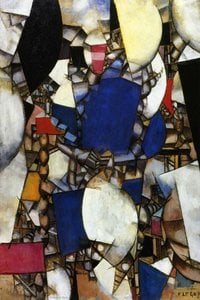
The outing in the country

Discover 'The Outing in the Country' (1954) by Fernand Léger – a vibrant depiction of leisure and modern life, showcasing his signature 'Tubism' style. Explore this captivating piece at WahooArt.

ფერნანდ ლეგე (1881-1955) - ფრანგი მხატვერი, რომელმაც კუბიზმს უნიკალური ინტერპრეაცია მოგოცა. მისი გამორჩეული ტილოები, როგორიცაა "ტუბიზმი" და პოპ-არტის წინამორბედი, აღნიშნავს თანამედროვე ხელოვნების მნიშვნელოვან ეტაპს.

გიკლე / ხელოვნების პრინტი

მუზეუმის დონის ჟიკლე ან ტილოზე ბეჭდვა სწრაფი წარმოებისა და დასრულების მოქნილი ვარიანტებით. ( შეიძინეთ ხელით შესრულებული ნახატი გადასვლა ციფრულ გამოსახულებაზე)

P118B $10
P118H $10
P118W $10
P438Z $10
P508JH $12
P508YH $12
P805H $10
P805Z $10
P919BZ $10
P919G $10
P919XJ $10
P959ZH $10
P968JZ $12
W106C $8
W218G $10
W218JH $8
W218Y $10
W307PJ $10
W316G $10
W316PJ $8
W316Y $10
W398PJ $8
W4111J $10
W500HY $15
W500JH $15
W692G $12
W849H $8
W940BG $15
W953PJ $8

სტანდარტული
სასურველი ზომის
CM
INCH

აირჩიეთ ჩვენს მიერ წინასწარ განსაზღვრული ზომებიდან, რომლებიც ნაწარმოების ორიგინალურ პროპორციებს შეესაბამება.

სიგანე
სიმაღლე

თქვენ შეგიძლიათ მიუთითოთ საკუთარი ზომები კონკრეტული ჩარჩოსთვის ან სივრცისთვის მოსარგებლებლად. თუ თქვენ მიერ არჩეული ზომა არ შეესაბამება ორიგინალი გამოსახულების პროპორციებს, ჩვენ ან დავჭრით ნამუშევარს, ან გავაფართოვებთ გამოსახულებას სარკული ან ერთფეროვანი კიდეებით. წარმოების დაწყებამდე თქვენს დასამტკიცებლად გამოგეგზავნებათ ციფრული მაკეტი.
გთხოვთ, გაითვალისწინოთ, რომ ეკრანზე ნაჩვენები წინასწარი ნახვა არ ასახავს რეალურ ჭრას ან გაფართოებას. მხოლოდ მაკეტზე იქნება ზუსტად წარმოდგენილი საბოლოო კომპოზიცია.
მიუხედავად იმისა, რომ ინდივიდუალური ზომები ხელმისაწვდომია, ორიგინალური პროპორციების შესანარჩუნებლად გირჩევთ, აირჩიოთ ზომა წინასწარ განსაზღვრული სიისგან.

მიწოდება მთელ მსოფლიოში () 2 კვირაში, სტანდარტული 4/5 კვირის ნაცვლად. (24 სექტემბერი)

why_choose_icon
უფასო ექსპრეს მიწოდება მთელ მსოფლიოში
why_choose_icon
საბამად მაღალი ხარისხის ტილო
why_choose_icon
სრული ტრანსპორტირების დაზღვევა
why_choose_icon
საბაჟო გადასახადების დაბრუნების გარანტია
why_choose_icon
ფერების სრული შესაბამისობის გარანტია
why_choose_icon
დაბრუნების 100-დღიანი პოლიტიკა (მხოლოდ დეფექტის შემთხვევაში)
why_choose_icon
100% თანხის დაბრუნების გარანტია
why_choose_icon
ფასდაკლება დიდი რაოდენობით შეკვეთისას

ჯამური ღირებულება

$ 68

reproduction

The outing in the country

გიკლე / ხელოვნების პრინტი

რეკლამაციის ზომა

-

საბოლოო ფასი

$ 68

მოკლე ინფორმაცია

  • Artist: Fernand Léger
  • Subject or theme: Leisure, outdoor scene
  • Artistic style: Naïve Art/Primitivism
  • Title: The outing in the country
  • Notable elements or techniques: Bold colors, figures

ხელოვნების ტესტი

თითოეულ კითხვაზე მხოლოდ ერთი სწორი პასუხია.

კითხვა 1:
In what year was Fernand Léger’s ‘The Outing in the Country’ painted?
კითხვა 2:
What artistic style is Fernand Léger most known for pioneering, often referred to as 'Tubism'?
კითხვა 3:
Based on the image description, what is a prominent element suggesting leisure and enjoyment in ‘The Outing in the Country’?
კითხვა 4:
Fernand Léger initially trained as what before pursuing painting?
კითხვა 5:
How did Léger's experience in World War I influence his artistic style?

A Pastoral Vision of Modern Life: Fernand Léger’s “The Outing in the Country”

Fernand Léger's “The Outing in the Country,” painted in 1954, offers a captivating glimpse into a post-war world tentatively embracing leisure and communal joy. The canvas bursts with color and a dynamic arrangement of figures, depicting a scene of relaxed conviviality amidst an abstracted landscape. It’s not merely a depiction of people enjoying a day outdoors; it's Léger distilling the essence of modern life – its energy, its accessibility, and its inherent optimism – into a vibrant visual language. The painting showcases Léger’s continued exploration of form and color, moving away from the strict Cubism of his earlier years towards a more accessible, figurative style that nonetheless retains a powerful sense of geometric structure. The scene is populated with individuals engaged in simple pleasures: conversation, relaxation, perhaps a game or two suggested by the presence of a ball. A man wearing a hat seems to be at the center of this gathering, not as a leader necessarily, but as an integral part of the collective experience. Scattered objects – handbags, bottles, bowls – add to the sense of everyday life unfolding before our eyes, grounding the composition in relatable human activity.

The Evolution of a Tubist: Léger’s Artistic Journey

To truly appreciate “The Outing in the Country,” one must understand its place within Fernand Léger's remarkable artistic evolution. Born in 1881, Léger initially pursued architecture before dedicating himself to painting. His early work was influenced by Impressionism, but a pivotal moment arrived with his encounter with Cézanne’s retrospective in 1907. This sparked an interest in the underlying geometric structures of form, leading him towards Cubism. However, Léger didn't simply adopt the style; he transformed it into something uniquely his own – what came to be known as “Tubism.” This distinctive approach emphasized cylindrical and conical forms, creating a sense of solidity and machine-like precision. The First World War profoundly impacted Léger’s artistic vision. His experiences in the trenches led him to reject abstraction and embrace a more figurative style that celebrated the vitality of modern life and the beauty found within industrial aesthetics. “The Outing in the Country” represents a culmination of these explorations, blending his earlier geometric sensibilities with a renewed focus on human interaction and accessible subject matter.

Color, Form, and the Spirit of Optimism

Léger’s masterful use of color is central to the emotional impact of “The Outing in the Country.” He employs a palette of bright, contrasting hues – reds, blues, yellows, and greens – that create a sense of energy and vibrancy. These colors aren't used naturalistically; instead, they are deployed strategically to define forms and emphasize the painting’s underlying geometric structure. The figures themselves are simplified and stylized, their bodies rendered as collections of bold shapes and planes. This simplification isn’t about reducing reality but rather about capturing its essence – the fundamental forms that underpin our perception of the world. The overall effect is one of optimism and joy. Despite the painting's abstracted style, it conveys a powerful sense of human connection and shared experience. It speaks to a post-war desire for normalcy, community, and the simple pleasures of life. The composition feels open and inviting, drawing the viewer into the scene and encouraging them to share in the collective enjoyment.

A Legacy of Modernity: Léger’s Enduring Influence

Fernand Léger's impact on 20th-century art is undeniable. He was a pioneer of modernism, constantly pushing boundaries and challenging conventional artistic norms. His work paved the way for Pop Art with its embrace of popular culture and its bold, graphic style. “The Outing in the Country,” while created later in his career, encapsulates many of the themes and stylistic innovations that defined his oeuvre. It’s a painting that continues to resonate today, offering a timeless vision of human connection and the enduring power of art to uplift and inspire. For those seeking to bring a touch of modern elegance and intellectual depth to their spaces, a reproduction of this work offers not just aesthetic appeal but also a conversation starter – a window into the mind of one of the most important artists of the 20th century. The Fernand Léger National Museum in Biot, France, stands as a testament to his enduring legacy, preserving and celebrating his remarkable contributions to the world of art.

მხატვრის ბიოგრაფია

ფერნანდ ლეგერი: მანქანური ეპოქის მხატვარი

ფერნანდ ლეგერი, ნამდვილი სახელი ჟოზეფ ფერნან ანრი ლეგერი, დაიბადა 1881 წლის 4 თებერვალს არჟენტანსკოში, საფრანგეთში. მისი ბავშვობა გაატარა ნორმანდიის სოფლის პეიზაჟებში, რაც მის შემდგომ შემოქმედებაში ხშირად მოიხსენიება. მისი მამა მეცხვარე იყო, ხოლო დედა – თავდაყვᱮრებული ქალი, რომელმაც დიდი გავლენა მოახდინა ლეგერის პირველ პერიოდში. თავდაპირველად, ლეგერს ჰქონდა განათლება არქიტექტურაში, თუმცა მალევე გადაინაცვლა მხატვრობისკენ, რაც მისი ცხოვრების მთავარი მიმართულება გახდა. პარიზში ჩასვლის შემდეგ, მან სწავლა დაიწყო დეკორატიული ხელოვნების სკოლაში და მოგვიანებით, ცდილობდა ჩასვეს ბიელინის აკადემიაში, თუმცა უშედეგოდ. ამ პერიოდში მან მუშაობა დაიწყო არქიტექტურულ დრაფტთან, რაც მნიშვნელოვანი გამოცდილება აღმოჩნდა მისი შემდგომი კარიერისთვის.

კუბიზმის განვითარება და "ტურბიზმი"

XX საუკუნის დასაწყისი საფრანგეთისთვის რთული პერიოდი იყო – სწორედ მაშინ დაიწყო კუბიზმის წარმოშობა, რომელიც რადიკალურად შეცვალა ხელოვნების მსვლელობა. პოლ სეზანის შემოქმედების ნახვის შემდეგ ლეგერის ცხოვრებაში დიდი ცვლილება მოხდა. სეზანის გეომეტრიული ფორმებისა და ობიექტების ანალიზი მისმა მიერ ხელოვნების აღქმასაც შეუცვალა. ლეგერი აქტიურად ჩართულა კუბისტური მოძრაობაში, თუმცა მან საკუთარი, უნიკალური სტილი შექმნა, რომელიც კრიტიკოსებმა "ტურბიზმად" назвали. "ტურბიზმი" ხასიათდება ცილინდრულ ფორმებით, გაფანტული სივრცეებით და მკაფიო ფერების კონტრასტებით. ეს სტილი მანქანების ესთეტიკას ასახავს და წარმოადგენს ლეგერის შემოქმედების ერთ-ერთ მთავარ ნიშანს. 1909 წელს, მონპარნასში სტუდიის გაქირავებამ მას საშუალება მისცა გაიცნო სხვა მნიშვნელოვანი მხატვრები, როგორებიც არიან ალექსანდრე არჩიპენკო, ჟაკ ლიპიციცი და რობერტ დელონე. "ოქროს განყოფილებაში" (Section d'Or) მისი მონაწილეობა კიდევ უფრო გა deepened his exploration of mathematical principles in art.

პირველი მსოფლიო ომი და მექანიზაციის აღნიშვნა

პირველი მსოფლიო ომი ლეგერის ცხოვრებაში ტრაგიკული მოვლენა იყო, თუმცა მან მასზე შემოქმედებითი გავლენაც იქონია. მilitარებაში მომუშავე პერიოდისას მან უამრავ ჩანაწერს დახატა სამხედრო ტექნიკის შესახებ, რაც მის შემდგომ მუშაობაში გამოიხატება. ომის შემდეგ ლეგერის სტილი კიდევ უფრო გამარკვიათ და მანქანებისადმი მისი სიმპათია უფრო მკაფიო გახდა. მისი ტილოები ხასიათდება 단순화ებული ფორმებით, მკაფიო კონტურებით და ფერადი პლასტიკით, რაც მანქანების დინამიკასა და ეფექტურობას ასახავს. "სოლჯატი მუნთაში" (Soldier with a Pipe) მისი ამ პერიოდის ერთ-ერთი გამორჩეული ნაწარმოებია, რომელიც წარმოადგენს მექანიკური სიზუსტის სიმბოლურ გამოხატვას.

შემდგომი შემოქმედება და მემკვიდრეობა

ომის შემდეგ ლეგერი განაგრძო ექსპერიმენტები სხვადასხვა სახის ხელოვნების დარგში, მათ შორის სკულპტურისა და κινηოქინოსტან. მისმა "საზოგადოებრივი ნოველების" (Paysages animés) სერიამ გააერთიანა ადამიანური ფიგურები და მანქანები ჰარმონიულ კომპოზიციაში, რაც წარმოადგენს ორგანული და არავარგის ფორმების შერწყმას. ფერნანდ ლეგერის შემოქმედება მნიშვნელოვანი წინაპირობა იყო პოპ-არტის განვითარებისთვის. მისი გავლენა იგრძნობა როი ლიხტენშტეინისა და ენდი უორჰოლის შემოქმედებაში. ლეგერი იყო ისტორიაში გამორჩეული მხატვარი, რომელმაც მანქანების ეპოქას თავისი ხელოვნებით უნიკალური სახე მისცა. მისი ნამუშევრები დღესდღეობით მსოფლიოს წამყვან მუზეუმებშია განთავსებული და წარმოადგენს თანამედროვე ხელოვნების ერთ-ერთ ყველაზე მნიშვნელოვან ძეგლს. მისი მემკვიდრეობა არის არა მხოლოდ მხატვრის სახელი, არამედ თანამედროვეობის პროფეტის ტიტული.
ფერნანდ ლეგე

ფერნანდ ლეგე

1881 - 1955 , საფრანგეთი

მოკლე ინფორმაცია

  • Artistic Movement Or Style: კუბიზმი, ტუბიზმი
  • Artists Or Movements Influenced By This Artist: ['Pop Art']
  • Artists Who Influenced This Artist: ['პოლ სეზანი']
  • Date Of Birth: 1881 წლის 4 თებერვალი
  • Date Of Death: 1955 წლის 17 აგვისტო
  • Full Name: ფერნანდ ლეგე
  • Nationality: საფრანგეთი
  • Notable Artworks:
    • The Sitted Woman
    • Machine Element
    • The Great Parade
    • The City
  • Place Of Birth: არგენტანი, საფრანგო
აღმოაჩინეთ ხელოვნების ნაწარმოებები თემების, სტილისა და მახასიათებლების მიხედვით დაჯგუფებული.