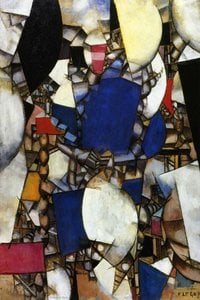
The Level Crossing
Fernand Léger’s “The Level Crossing,” created in 1912, stands as a cornerstone of Cubism and Orphism—movements that irrevocably altered the trajectory of twentieth-century art. More than just a depiction of a railway station scene, it embodies Leger's profound engagement with the burgeoning industrial age and his masterful manipulation of geometric abstraction to convey its dynamism and underlying tension. This painting isn’t merely observed; it’s felt—a visceral reaction to the rapid pace of change that defined the era.
Cubism: A Revolutionary Vision
Cubism, spearheaded by Pablo Picasso and Georges Braque, fundamentally challenged traditional artistic conventions. Rejecting illusionistic representation, Cubists fragmented objects into interlocking planes and multiple viewpoints simultaneously. This technique wasn’t simply about accuracy; it was about capturing the essence of an object's structure—its underlying geometry—rather than its surface appearance. Léger embraced this approach wholeheartedly, distilling complex scenes into simplified forms that prioritized visual impact over meticulous detail. The resulting images possess a striking immediacy and forcefulness, reflecting Leger’s conviction that art should engage with the realities of modern life.
Composition and Symbolism: Decoding the Visual Language
The painting's composition is deliberately unsettling yet captivating. Léger arranges figures—a man standing on the platform, several individuals in the foreground—within a network of cylindrical forms reminiscent of pistons and machinery. These shapes dominate the canvas, conveying a sense of relentless movement and mechanical precision. Notably, a dog sits prominently near the center, acting as an anchor amidst the swirling abstraction. The inclusion of a chair suggests a waiting area, subtly hinting at themes of anticipation and transition. Léger’s use of bold colors—primarily reds, yellows, and blues—amplifies this emotional resonance. These hues aren't merely decorative; they contribute to the painting's overall sense of energy and urgency.
Orphism: Embracing Pure Color and Geometric Harmony
Influenced by Fauvism and Paul Signac’s theoretical explorations into color perception, Léger adopted Orphism—a subset of Cubism—that prioritized pure chromatic hues over tonal gradations. This stylistic choice aligns with Orphism's belief that color alone could evoke emotion and convey meaning. Léger eschewed shading and blending techniques, opting instead for flat planes of vibrant pigment arranged in harmonious geometric patterns. The result is a visual experience akin to music—a deliberate disruption of conventional artistic norms designed to stimulate the viewer’s senses and provoke contemplation.
A Legacy of Innovation
“The Level Crossing” cemented Léger's reputation as a pioneer of modern art, securing its place within the Solomon R. Guggenheim Museum’s Founding Collection alongside other seminal works from the early 20th century. Its enduring appeal lies in its ability to encapsulate the spirit of an era—the anxieties and aspirations associated with industrialization—through a uniquely expressive visual language. For those seeking inspiration or contemplating acquiring a high-quality reproduction, Léger's “The Level Crossing” remains a testament to artistic innovation and a captivating glimpse into the transformative power of abstraction.
კითხვები და პასუხები
შესაძლებელია თუ არა "The level Crossing-ის" ნახვა სრულეკრანის სლაიდშოუ რეჟიმში?
სურათების სლაიდშოუ „The level Crossing“-ის სანახავად ეწვიეთ ნამუშევრის სლაიდშოუ გვერდს.
რომელ ისტორიულ ეპოქას მიეკუთვნება ფერნანდ ლეგე-ის „The level Crossing“?
ფერნანდ ლეგე-ის „The level Crossing“ მიეკუთვნება Modern პერიოდს. ეს ეპოქა ნამუშევარს ისტორიულ კონტექსტს სძენს.
ზოგადად, „The level Crossing“ უფრო ნათელია თუ უფრო მუქი?
ფერნანდ ლეგე-ის „The level Crossing“-ის სიკაშკაშე დაფიქსირებულია როგორც bright, ხოლო მისი განათების დონე შეადგენს Bright Balance-ს.
არის თუ არა "The level Crossing" ფერნანდ ლეგე-ის ერთ-ერთი ყველაზე პოპულარული ნამუშევარი?
"The level Crossing" მიფასებულია როგორც Iconic."
შეიძლება თუ არა ფერნანდ ლეგე-ის „The level Crossing“-ის გამოსახულების თავისუფლად რეპროდუცირება?
ავტორული უფლებების შესახებ პასუხი ნამუშევრისთვის ფერნანდ ლეგე-ის „The level Crossing“: ნამუშევარი არის საჯარო საკუთრებაშია - მისი საავტორო უფლებები ამოწდა. ეს განსაზღვრავს, შესაძლებელია თუ არა გამოსახულების რეპროდუქციის თავისუფლად წარმოება.
გამოიყენებს თუ არა ფერნანდ ლეგე-ის „The level Crossing“ მკვეთრ კონტრასტებს თუ რბილ ჰარმონიებს?
ფერნანდ ლეგე-ის „The level Crossing“-ის ფერული კომპოზიცია აერთიანებს Statement კონტრასტს და Strong Color Unity ჰარმონიას.
რა ტიპის ნამუშევარია "The level Crossing"?
"The level Crossing" არის WallArt ნამუშევარი.
როგორ არის ისტორიულად განსაზღვრული "The level Crossing"?
ფერნანდ ლეგე-ის „The level Crossing“-ის ხელოვნების ისტორიული კლასიფიკაცია არის Cubism, Modern პერიოდში.



 ნახვა ინტერьерში
 გადართვა ბეჭდვის რეჟიმზე
 გაგზავნა
 გაზიარება
 დეტალები
 გზამკვლევი

 ჩამოტვირთვა
 მსგავსები
 რენტგენოგრაფიული კვლევა
 სლაიდშოუ
 სტატისტიკა

 სრული ტექსტის ნახვა






































 მინის ჩარჩოს არჩევანი ხელმისაწვდომია მხოლოდ 110 სმ-მდე ზომისთვის