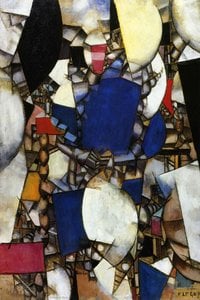
Self, შემოქმედება ფერნან ლეგერი-ისგან; ხელოვანის მიერ შესრულებული ზეთისა და ტილოს რეპროდუქცია, ხელით ნათესრით
წინასწარი ნახვა AR წინასწარი ნახვა ბეჭდვის რეჟიმზე გადართვა გადართვა ციფრულ გამოსახულებაზე გაგზავნა
დეტალები გზამკვლევი ფავორიტებში დამატება ჩამოტვირთვა მსგავსები რენტგენოგრაფიული კვლევა სლაიდშოუ კითხვა-პასუხი პრეზენტაცია სტატისტიკა

Self ხელით ნათესლიანი ზეთის საღებავით შესრულებული რეპროდუქცია

Explore Fernand Léger's iconic 'Self' self-portrait! This pencil sketch exemplifies his Cubist style, featuring simplified forms and a striking gaze – a masterpiece of modern art.

ტუბიზმის პიონერმა ფერნან ლეგერმა მანქანური ეპოქა ასახა. აღმოაჩინეთ მისი თამამი და რიტმული ტილოები დღესვე.

ზეთის საღებავით შესრულებული ხელით ნაკლნა

ტილოზე შესრულებული ფერწერიანი ზეთប្រდათი, თქვენთვის სასურველი ზომისა და ჩარჩოსთვის, ჩვენი ხელოვანების მიერ შეკვეთის საფუძველზე დამზადებული. ( ბეჭდვის რეჟიმზე გადართვა გადართვა ციფრულ გამოსახულებაზე)


Corner sample of the P118B picture frame: ღუმლში ჩამჭედი პოლისტიროლი, 5 cm wide and 3 cm thick
P118B ₾10
Corner sample of the P118H picture frame: ღუმლში ჩამჭედი პოლისტიროლი, 5 cm wide and 3 cm thick
P118H ₾10
Corner sample of the P118W picture frame: ღუმლში ჩამჭედი პოლისტიროლი, 5 cm wide and 3 cm thick
P118W ₾10
Corner sample of the P438Z picture frame: ღუმლში ჩამჭედი პოლისტიროლი, 5.5 cm wide and 3.5 cm thick
P438Z ₾10
Corner sample of the P508JH picture frame: ღუმლში ჩამჭედი პოლისტიროლი, 7 cm wide and 3.5 cm thick
P508JH ₾12
Corner sample of the P508YH picture frame: ღუმლში ჩამჭედი პოლისტიროლი, 7 cm wide and 3.5 cm thick
P508YH ₾12
Corner sample of the P805H picture frame: ღუმლში ჩამჭედი პოლისტიროლი, 5 cm wide and 3.5 cm thick
P805H ₾10
Corner sample of the P805Z picture frame: ღუმლში ჩამჭედი პოლისტიროლი, 5 cm wide and 3.5 cm thick
P805Z ₾10
Corner sample of the P919BZ picture frame: ღუმლში ჩამჭედი პოლისტიროლი, 7 cm wide and 3.5 cm thick
P919BZ ₾10
Corner sample of the P919G picture frame: ღუმლში ჩამჭედი პოლისტიროლი, 7 cm wide and 3.5 cm thick
P919G ₾10
Corner sample of the P919XJ picture frame: ღუმლში ჩამჭედი პოლისტიროლი, 7 cm wide and 3.5 cm thick
P919XJ ₾10
Corner sample of the P959ZH picture frame: ღუმლში ჩამჭედი პოლისტიროლი, 5 cm wide and 3 cm thick
P959ZH ₾10
Corner sample of the P968JZ picture frame: ღუმლში ჩამჭედი პოლისტიროლი, 6 cm wide and 4 cm thick
P968JZ ₾12
Corner sample of the W106C picture frame: მასიური ხე, 5 cm wide and 3 cm thick
W106C ₾8
Corner sample of the W218G picture frame: მასიური ხე, 5 cm wide and 3 cm thick
W218G ₾10
Corner sample of the W218JH picture frame: მასიური ხე, 5 cm wide and 3 cm thick
W218JH ₾8
Corner sample of the W218Y picture frame: მასიური ხე, 5 cm wide and 3 cm thick
W218Y ₾10
Corner sample of the W307PJ picture frame: მასიური ხე, 6 cm wide and 3 cm thick
W307PJ ₾10
Corner sample of the W316G picture frame: მასიური ხე, 6 cm wide and 3 cm thick
W316G ₾10
Corner sample of the W316PJ picture frame: მასიური ხე, 6 cm wide and 3 cm thick
W316PJ ₾8
Corner sample of the W316Y picture frame: მასიური ხე, 6 cm wide and 3 cm thick
W316Y ₾10
Corner sample of the W398PJ picture frame: მასიური ხე, 5 cm wide and 3 cm thick
W398PJ ₾8
Corner sample of the W4111J picture frame: მასიური ხე, 6.5 cm wide and 3.5 cm thick
W4111J ₾10
Corner sample of the W500HY picture frame: მასიური ხე, 7 cm wide and 5 cm thick
W500HY ₾15
Corner sample of the W500JH picture frame: მასიური ხე, 7 cm wide and 5 cm thick
W500JH ₾15
Corner sample of the W692G picture frame: მასიური ხე, 8 cm wide and 4 cm thick
W692G ₾12
Corner sample of the W849H picture frame: მასიური ხე, 5 cm wide and 3 cm thick
W849H ₾8
Corner sample of the W940BG picture frame: მასიური ხე, 7.5 cm wide and 4.5 cm thick
W940BG ₾15
Corner sample of the W953PJ picture frame: მასიური ხე, 6 cm wide and 3.5 cm thick
W953PJ ₾8

სტანდარტული
სასურველი ზომა
CM
INCH

აირჩიეთ ჩვენს მიერ წინასწარ განსაზღვრული ზომებიდან, რომლებიც ნაწარმოების ორიგინალურ პროპორციებს შეესაბამება.

სიგანე
სიმაღლე

შეიყვანეთ თქვენთვის საჭირო სიგანე და სიმაღლე, რათა ნახატი მოერგოს თქვენს ჩარჩოს ან კედელს. ვინაიდან ეს ნამუშევარი ხელით არის შესრულებული, სხვა ფორმის ზომის შემთხვევაში, მხატვარმა შესაძლოა სურათის გარშემო ოდნავ მეტი დატოვოს ან შეამციროს — არჩევანი თქვენზეა. დაწყებამდე, დასამტკიცებლად, ჩვენ გამოგიგზავნით ციფრულ მაკეტს. ამ გვერდზე ნაჩვენები სურათი არ ასახავს რეალურ შედეგს — რეალური სახე მხოლოდ მაკეტზე ჩანს.

რა შეიძლება შეიცვალოს: სახის ჩანაცვლება მომხმარებლის ფოტოთი; შინაური ცხოველის დამატება (მაგ., კატის ჩანაცვლება ძაღლით); ფონზე ფარული შეტყობინების დამატება; ფონის პეიზაჟის ან ელემენტების შეცვლა.
შეკვეთის შემდეგ, WahooArt.com გუნდი დაგიკავშირდებათ ელექტრონული ფოსტით ინსტრუქციებისთვის და გამოგიგზავნით წინასწარ ნახაზს (mockup).

მიწოდება მსოფლიო მასშტაბით -ში 3/4 კვირაში, სტანდარტული 5 კვირის ნაცვლად. (19 ნოემბერი). ხარისხზე კომპრომისის გაკეთება არ მოხდება.

უფასო ექსპრეს მიწოდება მთელ მსოფლიოში
მაღალი ხარისხის ტილოს ქსოვილი
ტრანსპორტირების სრული დაზღვევა
საბაჟო გადასახადების დაბრუნების გარანტია
ფერების სრული შესაბამისობის გარანტია
დაბრუნების 100-დღიანი პოლიტიკა (მხოლოდ დეფექტის შემთხვევაში)
100% თანხის სრული დაბრუნების გარანტია
ფასდაკლება დიდი რაოდენობით შეკვეთისას

ჯამური ღირებულება

₾ 706

Self

რეპროდუქციის მასალა

რეპროდუქციის ზომა

-

საბოლოო ღირებულება

₾ 706

ძირითადი ინფორმაცია

  • Medium: Pencil/Charcoal
  • Notable elements: Angular lines, simplified shapes
  • Artistic style: Stylized portrait
  • Title: Self
  • Subject or theme: Self-portrait

ტესტი ხელოვნების შესახებ

თითოეულ კითხვაზე მხოლოდ ერთი სწორი პასუხია.

კითხვა 1:
What artistic movement is most prominently represented in Fernand Léger’s ‘Self’?
კითხვა 2:
The portrait utilizes a grayscale palette. What does this primarily contribute to the image?
კითხვა 3:
Which of the following best describes the use of lines in ‘Self’?
კითხვა 4:
Fernand Léger was known for his depictions of what subject matter?
კითხვა 5:
Based on the description, what is a key characteristic of Léger’s style?

Self: A Cubist Portrait of Modernity

Fernand Léger’s “Self,” painted in 1930, isn't merely a portrait; it’s a distilled essence of the early 20th century – a visual embodiment of the machine age grappling with human identity. This striking pencil drawing, now housed within the Fernand Léger National Museum in Biot, France, offers a profound glimpse into the artist’s evolving style and his fascination with the intersection of form, technology, and the individual. Léger, born Joseph Fernand Henri Léger in 1881 in Argentan, Normandy, began his artistic journey as an architect before embracing painting, profoundly influenced by the radical innovations of Cézanne and the burgeoning currents of Cubism.

The composition immediately commands attention. The subject, a self-portrait, is rendered with a deliberate austerity – a simplification of features that borders on abstraction. Léger strips away extraneous detail, reducing the face to its fundamental geometric components: sharp triangles for the nose and eyes, rectangular planes for the mouth and chin, and a simplified outline of the head itself. This fragmentation isn’t chaotic; rather, it creates a sense of dynamic energy, as if the subject is simultaneously present and dissolving into pure form. The cropped composition, focusing tightly on the upper torso, intensifies this effect, drawing the viewer directly into the artist's gaze – an intense, direct stare that speaks to both confidence and introspection.

The Language of Cubism and Mechanics

“Self” is a quintessential example of Léger’s “Tubism,” a style he developed in the early 1910s. Inspired by the cylindrical forms of industrial machinery, Tubism sought to represent objects – and indeed, human figures – as composed of interlocking cylinders, cones, and cubes. This approach wasn't simply an aesthetic choice; Léger saw it as a way to capture the essence of modern life, dominated by factories, trains, and the relentless march of technology. The angular lines and stark contrasts in tone reflect this mechanical sensibility, creating a visual rhythm that echoes the precision and efficiency of machines.

The use of pencil is crucial here. Léger’s meticulous application of line – often with varying pressure and thickness – imbues the drawing with a remarkable sense of texture and depth. The grainy quality of the graphite suggests a hand-drawn immediacy, contrasting sharply with the stylized forms. This combination of raw material and deliberate construction speaks to Léger's desire to bridge the gap between traditional artistic techniques and the new visual language of modernity.

Symbolism and the Modern Psyche

Beyond its formal qualities, “Self” carries a potent symbolic weight. The direct gaze of the subject is particularly arresting – it’s not a passive portrait but an active engagement with the viewer. This confrontational quality suggests a questioning of identity in a rapidly changing world. Léger himself described his work as reflecting "the crude beauty" of everyday life, and “Self” embodies this sentiment perfectly. The simplification of features can be interpreted as a rejection of idealized representations, suggesting instead a focus on the essential, stripped-down reality of human existence.

Furthermore, the drawing’s monochromatic palette – primarily shades of gray – reinforces its sense of austerity and detachment. It evokes the starkness of industrial landscapes and the impersonal nature of modern life. The lack of color directs attention to the formal elements of the composition, highlighting Léger's mastery of line and form.

A Legacy of Modern Art

Fernand Léger’s “Self” stands as a pivotal work in his oeuvre and a significant contribution to the development of modern art. His exploration of Cubism, combined with his fascination with technology and his unique approach to portraiture, paved the way for subsequent generations of artists – including Pop Art pioneers like Andy Warhol – who sought to integrate the visual language of mass culture into their work. “Self” remains a powerful testament to Léger’s artistic vision and his enduring legacy as one of the most influential figures of the 20th century.

კითხვები და პასუხები

რა ადგილი უჭირავს „Self“-ს ფერნან ლეგერი-ის შემოქმედებისათვის დამახასიათებელ თემებსა და სტილში?

ფერნან ლეგერი-ის შემოქმედებაში „Self“ Cubism სტილშია შესრულებული და cézanne influence, modernity, industrial forms, war experience, mechanical themes, critique, early cubism, geometric abstraction თემებს ეფუძნება.

როგორ შეიძლება ფერნან ლეგერი-ის „Self“ გამოყენებული სახლის დეკორში?

"Self" რეკომენდებულია Statement-ისთვის, ხოლო საუკეთესო სივრცე არის Living Room."

რას გამოსახავს "Self" და როგორი ატმოსფერო აქვს მას?

ფერნან ლეგერი-ის „Self“ ასახავს portrait, self-portrait, cubism, geometric, modernity, figure, charcoal, léger-ს, Bold განწყობით. სუბიექტი და ატმოსფერო ერთობლიობაში ქმნის ნამუშევრის აღწერას.


აღმოაჩინეთ ხელოვნების ნაწარმოებები თემების, სტილისა და მახასიათებლების მიხედვით დაჯგუფებული.