

მუზეუმის დონის ჟიკლე ან ტილოზე ბეჭდვა სწრაფი წარმოებისა და დასრულების მოქნილი ვარიანტებით. ( შეიძინეთ ხელით შესრულებული ნახატი გადართვა ციფრულ გამოსახულებაზე)





























აირჩიეთ ჩვენს მიერ წინასწარ განსაზღვრული ზომებიდან, რომლებიც ნაწარმოების ორიგინალურ პროპორციებს შეესაბამება.

შეიყვანეთ თქვენთვის საჭირო სიგანე და სიმაღლე, რათა გამოსახულებამ თქვენს ჩარჩოს ან კედელს ზუსტად მოერგოს. ბეჭდვისას შესაძლებელია მხოლოდ მისი შემცირება და არა გაზრდა, ამიტომ სხვა ფორმის ზომის შემთხვევაში სურათი ნაწილობრივ იკარგება. სანამ რაიმეს დაბეჭდავთ, ჩვენ გამოგიგზავნით ციფრულ მაკეტს დასდასტურებლად. ამ გვერდზე ნაჩვენები სურათი არ ასახავს რეალურ ჭრას — ამას მხოლოდ მაკეტი გვიჩვენებს.
მიწოდება მთელ მსოფლიოში () 2 კვირაში, სტანდარტული 4/5 კვირის ნაცვლად. (20 ნოემბერი)
Mechanical element1
რეპროდუქციის ზომა
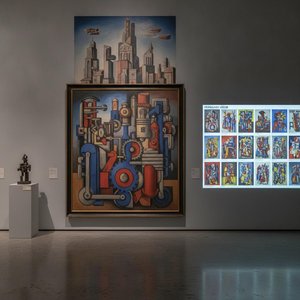
Fernand Léger’s Mechanical Element 1 is a pivotal work exemplifying his distinctive “Tubism,” an evolution of Cubism that wholeheartedly embraced the aesthetics and energy of the machine age. This painting boldly presents a fragmented human visage, constructed from interlocking mechanical components against a striking red backdrop – a testament to Léger's innovative approach.
Rather than portraying a conventional portrait, Léger dissects the human form into geometric shapes—cylinders, discs, and cog-like elements. This isn’t merely a depiction *of* machinery; it suggests an increasing integration of humanity with the mechanical world, perhaps even defining us by it. The inclusion of two clocks – one in the upper left corner and another near the center-right – underscores themes of time, precision, and relentless progress. Importantly, this fusion isn’t unsettling; instead, the face feels powerful and harmoniously constructed, suggesting a positive acceptance of modernity.
Léger employs a flattened picture plane and strong, defined outlines characteristic of his mature style. The limited color palette – dominated by the intense red background and metallic tones of the mechanical components – creates a visually arresting contrast. The composition is carefully balanced despite its fragmented nature; circular elements scattered throughout act as visual anchors, guiding the viewer’s eye across the canvas. This deliberate arrangement prevents chaos, conveying ordered complexity.
Created during a period of rapid industrial growth in the early 20th century, Mechanical Element 1 reflects Léger’s fascination with the energy and efficiency of machines. He perceived beauty within their forms and believed they represented the future of art and society – a stark contrast to traditional academic painting focused on idealized nature or historical narratives. Léger's work paved the way for later movements like Pop Art, which also explored mass production and consumer culture.
The artwork evokes a sense of both awe and detachment. While celebrating technological advancement, it hints at a potential loss of individuality within an increasingly mechanized world. The red background adds intensity, perhaps suggesting the energy or even the inherent danger in this transformation. Ultimately, Mechanical Element 1 is open to interpretation – inviting viewers to contemplate their relationship with technology and its impact on human identity.
Due to its bold color palette and strong geometric forms, Mechanical Element 1 makes a powerful statement in modern or contemporary settings. Consider these display options:
This piece is sure to be a conversation starter, adding intellectual depth and visual interest to any collection or interior.
ფერნან ლეგერი-ის „Mechanical element1“-ს აქვს Portrait ფორმატი. ეს ფორმატი განსაზღვრავს კომპოზიციის პროპორციებს.
ფერნან ლეგერი-ის „Mechanical element1“-ში გაბატონებულია Warm Sunset Tones ტონალობა.
Phthalo Green (#251118) არის ფერნან ლეგერი-ის „Mechanical element1“-ის დომინანტური ფერი.

Immerse yourself in the vibrant world of Fernand Léger. Explore 25 iconic masterpieces of Cubism and Tubism, from bold geometric forms to machine-age energy. Find inspiration for your decor with museum-quality reproductions. Discover all masterpieces on WahooArt.com.

Discover the profound beauty of metalwork in fine art. From Art Deco glamour to modern industrial chic, explore how premium metal sculptures add strength and elegance to luxury interiors through expert curation and master craftsmanship.

Explore the vibrant world of Fernand Léger. Discover how his 'Tubism' and Machine Age aesthetics redefined modern art, offering profound inspiration for discerning collectors seeking geometric beauty and industrial dynamism.

Explore 10 iconic artworks that define the industrial aesthetic. From gritty urban landscapes to metallic textures, discover the stories behind these timeless masterpieces. Find museum-quality art reproductions and curated decor inspiration. Explore the full collection on WahooArt.com.
 წინასწარი ნახვა
 გაგზავნა
 გაზიარება
 დეტალები
 გზამკვლევი

 ჩამოტვირთვა
 მსგავსები
 რენტგენოგრაფიული კვლევა
 სლაიდშოუ
 კითხვა-პასუხი
 სტატისტიკა

 გააგრძელეთ კითხვა









 მინის ჩარჩოს არჩევანი შესაძლებელია მხოლოდ 110 სმ-მდე ზომისთვის





