მხატვრის ბიოგრაფია
ფერდინანდი ჰოდლერი: სიმბოლიზმის გვირგვინი შვეიცარიის ხელოვნელაში
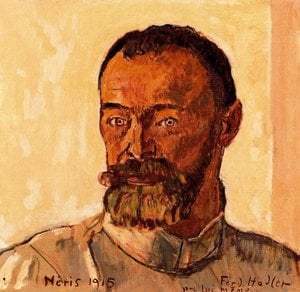
ფერდინანდი ჰოდლერი, სახელწოდება რომელიც ნათੌਰ დაუკავშირებულია შვეიცარიის მხედველობრივ ხელოვნებასა და სიმბოლიზმის ძლიერ ენას, მოღვაწეობდა საუკუნის ბოლოსა და მეორე საუკუნის 초반ში. ის იყო ერთ-ერთი ყველაზე მნიშვნელოვანი მხატვარი იმ პერიოდში. 1853 წელს ბერნის ქალაქში დაბადებული ჰოდლერის ცხოვრება ღრმად განსაზღვრული იყო ადრეულმა ტკივილმა – თემა, რომელიც განმსვლელად აღმოჩნდა მისი მხატვრული ხედვისთვის. მამის და ორი უმცროსი ძმის předčasné გარდაცვალება, მასზე ადრეულ ასაკში, დიდ ჩრდილს ჰფენდა და მასში სიკეთის ფილოსოფიური გაგებისადმი ღრმა განწყობას ქმნიდა. ეს გამოცდილებები, რომლებიც ორგანულად იყო გადახლებული ბუნებრივი სამყაროს სილამაზისა და ძალისადმი მწვერვალ შეგრძნებებთან ერთად, მისი მხატვრული ნაწარმოების ცენტრალურ ელემენტად იქცა. თავდაპირველად დეკორატიულ მხატვრებს ასწავლიდნენ, ჰოდლერის თანდაყოფილი ნიჭით სწრაფად გადააინთქმა უბრალო ხელოსნობიდან; მას უნდოდა ფორმალური განათლება და მხატვრული გამოკვლევები კომერციულ მუშაობების შეზღუდვებს მიღმა. ეს მისწრებამ იგი ჟენევაში 1871 წელს მიიყვანა, სადაც ის თავდაუღებლად ითვისებდა მეცნიერებასა და ხელოვნებას, კოპირებდა შედევრებს მუზეუმში – მკაცრი განათლება, რომელმაც საფუძველი ჩაუყარა მისი მომავლის ინოვაციებისთვის.
რეალიზმიდან „პარალელიზმამდე": უნიკალური ხედვის შესაქმენი
ჰოდლერის მხატვრული მოგზაურობა გამოირჩეოდა მუდმივმა განვითარებათა და გამორჩეული ძლიერი გამოხატვის მისწრებამ. მისი ადრეული ნაშრომები ასახავდა იმ დროს არსებულ რეალისტურ სტილს – პორტრეტებს, ლანდშაფტებსა და ჟანრობრივ სცენებს, რომლებიც შესრულებული იყო ფრთხილობითა და დეტალიზაციით. თუმცა, მან მალევე აღმოაჩინა, რომ ეს კონვენციები მასზე ზღუდავდა, ეძებნა გზა უფრო ღრმა ემოციური ჭეშმარიტების გადასაზიარებლად და ფილოსოფიური იდეების გამოსათქმელად. ამ ძიებაში მან სიმბოლიზმისკენ მიმართა – მოძრაობა, რომელმაც უარყო ბუნებრივი წარმომადგენლობა სუბიექტური გამოცდილებისა და გამოხატვითი تصاویرის სასარგებლოდ. თუმცა ჰოდლერი არ უბრალოდ ითვისებდა სიმბოლიზმის პრინციპებს; მან საკუთარი, უნიკალური გზა გაიარო, განვითარება „პარალელიზმის“. ეს გამორჩეული სტილი მოიცავდა ფიგურების და ფორმების რთულ, თითქმის გეომეტრიულ ნიმუშებში განწყობას, რომელიც ქმნიდა როგორც ჰარმონიის, ისე ძაბვის გრძნობას – ადამიანური ურთიერთკავშირის ვიზუალური გამოხატვა. ეს იყო მცდელობა აღმოაჩინოს არა მხოლოდ ის, რაც ხედავს, არამედ ის, თუ რა გრძობს – იმართება ბაზაზე არსებული ემოციური ნაკადები, რომლებიც აკავშირებენ ყველაფერს. „ღამე“, რომელიც 1890 წელს დასრულდა, გადამწყვეტი ნაშრომი იყო, რომელმაც აღნიშნა მისი სიმბოლისტური تصاویرის მიმართ დგა და მნიშვნელოვანი განქიdegება გამოიწვია თავისი სიკვდილისა და სიმშვიდისასავალ გადმოცემით. მიუხედავად პირველადი კრიტიკის, ამ ნახვით დიდი აღფრთოვანება გამოიწვა პარიზში, რაც ჰოდლერის რეპუტაციას შვეიცარიის საზღვრებს გასვლა და ნამდვილი ორიგინალური ხმის გამოცხადებასთან დაკავშირებით.
მნიშვნელოვანი ნაშრომები: მნიშვნელობა და ისტორიული კონტექსტი
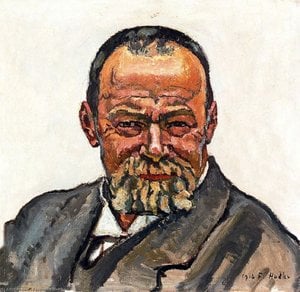
მისი პროლიფიკური კარიერას განსაკუთრებული ნაწარმოებები აქვს, რომლებიც დღესაც აინტერესებს მაყურებლებს. „დღე“, რომელიც 1893 წელს დასრულდა, მისი ყველაზე амбициозული და აღიარებული მიღწევაა – მონუმენტური ისტორიული ნახატი, რომელშიც გამოჩნდა კომპოზიციისა და სიმბოლიზმის სრულუფლებიანი მფლობელობა. ცენტრალურ ნაწილად არის აღქმული ცხოვრება, სიკვდილი და განახლება, რომელიც გადაიცემა რეალიზმისა და წინასწარგანგების შთამბეჭდავი კომბინაციით. „დღის“ მასშტაბი და ემოციური სიმძიმე ჰოდლერს ევროპული ხელოვნების წამყვან ფიგურად დაადასტურა. სხვა მნიშვნელოვანი ნაშრომები მოიცავს შვეიცარიის ალპების მრავალრიგობრივ تصاویرას, რომლებიც აღსავსეა სასიგნო დიდების გრძნობით, და პორტრეტებს, რომელშიც გამოჩნდა ადამიანური ფსიქოლოგიისადმი მისი βαθაკანი გაგება. იგი ხშირად επιστρέφდა ტკივილისა და მწუხარების თემებს, შესაძლოა, მისი პირადი ბავშვობის ტრავმების отражением, მაგრამ ყოველთვის აინთქმოდა მათ αξιοπρέπειასა და გამძლეობას. მისი ნახატები არ იყო მხოლოდ წარმომადგენლობები; ისინი იყვნენ ემოციური ლანდშაფტები, რომლებიც მოუწოდებდნენ მაყურებლებს არსებობის ძირითად კითხვებზე ფიქრი.
მემკვიდრეობა: გავლენა და ისტორიული მნიშვნელობა
ფერდინანდი ჰოდლერის გავლენა გადააჭარბა შვეიცარიის საზღვრებს. სიმბოლიზმის ინოვაციური გამოყენებამ და „პარალელიზმის“ განვითარებამ საფუძველი ჩაუყარა ექსპრესიონიზმს, მისი სუბიექტური ემოციის და დეფორმირებული ფორმების აქცენტთან ერთად. მის შემდეგ მყოფი მხატვრებმა მას აღიარეს წინასწარი მხედველებრივი გამოკვლევები. ჰოდლერის ნაშრომებმა ასევე რეზონანსში შევიდა საუკუნის ბოლოსა და მეორე საუკუნის 초반ის უფრო ფართო კულტურულ ტრენდებში – პერიოდი, რომელიც χαρακτηρίζεται სწრაფი სოციალური ცვლილებებით, სამეცნიერო წინსვლებით და არსებობისადმი მზარდი 불안ობით. მისი ნახატები ვიზუალური ენა იყო ამ კომპლექსური საკითხების გაგებისთვის, რომელიც უხეშობასა და ინტუიციას უწევდა უფრო არასტაბილურ სამყაროში. დღეს ჰოდლერის ნაშრომები ინახებება Ευρώπης-ის მთავარ მუზეუმებში და მის მიღმა, რაც უზრუნველყოფს, რომ მისი მხატვრული ხედვა განაგრძობს თაობათა შთამომავლებში вдохновение და გამოწვევას. ის რჩება შვეიცარიის ხელოვნების ისტორიაში მაღალი ფიგურად, აღიარებულია არა



 ნახვა ინტერьерში
 შეიძინეთ ხელით შესრულებული ნახატი
 გაგზავნა
 გაზიარება
 დეტალები
 გზამკვლევი

 ჩამოტვირთვა
 მსგავსები
 რენტგენოგრაფიული კვლევა
 სლაიდშოუ
 Q&A
Q&A სტატისტიკა


 სრული ტექსტის ნახვა






































 მინის ჩარჩოს არჩევანი ხელმისაწვდომია მხოლოდ 110 სმ-მდე ზომისთვის