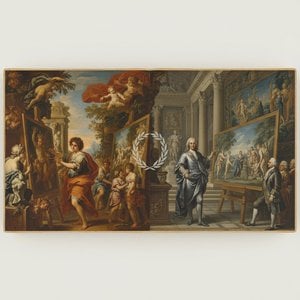
მხატვრის ბიოგრაფია
ღვთისმეტსახველი ხედვისადმი მიძღვნილი ცხოვრება: ეუსტაშ ლესურეს სამყარო
ეუსტაშ ლესურე, სახელი, რომელიც მე-17 საუკუნის ფრანგული ბაროკოს მხატვრობის სიმხნესა და დახვეწილობას ასახverständად არის საჭირო, ქვეყნის სახელოვნებო ევოლუციის საკვანძო ფიგურად გვევლინება. იგი 1617 წლის 19 ნოემბერს პარიზში დაიბადა და 1655 წლის 30 აპრილს სწორედ ამ ქალაქის კედლებში გარდაიცვალა. ლესურემ მთელი თავისი ცხოვრება რელიგიური ნარატივების ასახვას მიუძღვნა, რაც სულ უფრო მეტად ნეოკლასიცისტური სენსიტილობით ხასიათდებოდა. მისი გზა არ იყო ვრცელი მოგზაურობებით ან დრამატული პირადი ტრაგედიებით სავსე; პირიქით, ეს იყო ფოკუსირებული აღსვლა პარიზის სახელოვნებო სამყაროში, რაც საბოლოოდ მისი როლის გამყარებით დასრულდა, როგორც პრესტიჟული ფრანგული აკადემიის სადამფუძნებლო წევრის. მისმა მამამ, კატელინ ლესურემ, რომელიც გამოყვარებული ტორნეტი და ხის ქანდაკება ხელოსანი იყო, ადრეულ ეტაპზე ამოიცნო ვაჟის მზარდი ნიჭი და იგი სიმონ ვუესთან გაგაცნო, რომელიც იმ დროისთვის ფრანგული მხატვრობის დომინანტური ძალა იყო. ამ ფუნდამენტურმა სწავლებამ გადამწყვეტი აღმოჩნდა, რადგან ახალგაზრდა ეუსტაშს ჩაუნერგა ხაზოვნებათა და კომპოზიციის ოსტატობა, რაც მისი მთელი კარიერის განუყოფელი ნაწილი გახდა.
ადრეული წარმატებები და სამეფო შეკვეთები
ლესურემ სწრაფად მოიპოვა გამორჩეული ადგილი ვუეს სტუდიაში და მალევე შევიდა მხატვართა გილდიის წევრად. მისმა ადრეულმა ნამუშევრებმა, განსაკუთრებით კი Hypnerotomachia Poliphili-ს სცენების ილუსტრაციებმა, რომელიც რთულ ალეგორიულ რომანს წარმოადგენს, პირველადი აღიარება მოუტანა მას. თუმცა, მისი რეპუტაციის ნამდვილი დამკვიდრება ლამბერ დ ტორინიგის სასახლისთვის შესრულებულმა დეკორატიულმა სერიებმა განაპიEMENTS. მიუხედავად იმისა, რომ ეს პროექტები ხშირად სხვადასხვა ვალდებულებებით ირყეოდა, მათ წარმოაჩინეს ლესურეს მზარდი უნარი, შეექმნა დინამიკური კომპოზიციები და თავის ფიგურებს დრამატული სიცოცხლის ძალა შესძენა. თავად ლუვრიც კი მისი ამბიციების ტილო გამხდარა, როდესაც მან სამეფო აპარტამენტებისთვის რამდენიმე ტილო შეასრულა – ნამუშევრები, რომლებიც სამწუხაროდ ისტორიაში დაიკარგა, თუმცა იმ პერიოდის ინვენტარებში დოკუმენტირებულია. ეს შეკვეთები ფრესის უმაღლეს წრეებში მისი მზარდი აღიარების ნიშანი იყო, რამაც გზა გაუხსნა ახალ შესაძლებლობებს და განამტკიცა მისი პოზიცია როგორც მოთხოვნადი ხელოვანის. იგი მხოლოდ დეკორატიულ სქემებს კი არ ასრულებდა, არამედ წვლილი შეაქვს ძალაუფლებისა და ღვთიერების იმ ვიზუალურ ენაში, რომელმაც განსაზღვრა ლუი XIII-ისა და მოგვიანებით ლუი XIV-ის Court-ის სული.
აკადემიის დაფუძნება და ნეოკლასიცისტური გარდატეხა
ლესურეს კარიერაში გარდამტეხი მომენტი 1648 წელს ფრანგული სამეფო აკადემიის დაფუძნებას მოჰყვა. იგი პირველი თორმეტი „უფლისწულთა“ ერთ-ერთად აირჩიეს, რომელსაც დაევალა ინსტიტუტის განვითარების წარმართვა და სახელოვნებო სრულყოფილების სტანდარტების დადგენა. ეს როლი მხოლოდ ადმინისტრაციული არ ყოფილა; იგი ასახავდა უფრო ფართო ცვლილებას ლესურეს ესთეტიკურ შეგრძნებებში. იგი სულ უფრო მეტად იზიდავებოდა ნეოკლასიცისტური სტილი, რომელიც ხასიათდებოდა ფორმების სიცხადით, შეკავებული ემოციითა და იდეალიზებულ სილამაზეზე ფოკუსირებით – რაც დისტანციას ნიშნავდა ადრეული ბაროკოს უფრო ფლამბოიენტური ტენდენციებისგან. ეს ეწოდა „პარიზულ ატიციზმს“, რომელიც ხაზს უსვამდა ინტელექტუალურ სიმკაცრეს და კლასიკური პრინციპებისკენ დაბრუნებას, რამაც გავლენა მოახდინა არა მხოლოდ მის საკუთარ შემოქმედებაზე, არამედ საფუძველი ჩაუყარა მომავალი თაობებისათვის ფრანგული ხელოვნების მიმართულებას.
წმინდა ბრუნოს ცხოვრება: ერთგულების შედევრად
შესაძლოა, ლესურეს ყველაზე მარადიული მემკვიდრეობა კართუზის მონასტრის კლოტერისთვის შეკვეთილ სერიაში მდებარეობს, რომელიც წმინდა ბრუნოს ცხოვრებას ასახავს. ეს ტილოები, რომლებიც თავდაპირველად აბატის კედლებს აფორმებდა, მისი სახელოვნებო ხედვისა და ტექნიკური ოსტატობის კულმინაციაა. ისინი გამორჩეულია არა მხოლოდ ნარატიული ძლიერებით, არამედ ღრმა სულიერი ხარისხითაც. ლესლიურეს ფიგურებს გააჩნიათ მშვიდი ღირსება და ღრმა ერთგულების განცდა, რაც კართუზის ორდენის ასკეტურ იდეალებს დამაჯერებელი ძალით გადმოსცემს. Chiaroscuro – სინათლისა და ჩრდილის დრამატული თამაში – ამძაფრებს თითოეული სცენის ემოციურ ზეგავლენას, მაყურებელს წმინდა ბრუნოსა და მისი მიმდევრების სამყაროში შეჰყავს. მიუხედავად დროთა განმავლობაში მიღებული დაზიანებებისა და რესტავრაციებისა, ეს ნამუშევრები ინარჩუნებენ თავიანთ პირვანდელ სილამაზეს და გვაძლევს საშუალებას, თვალი შევსწოროლს ლესურეს კომპოზიციის, ფერისა და ფსიქოლოგიური სიღრმის ოსტატობას.
მემკვიდრეობა და ისტორიული მნიშვნელობა
ეუსტაშ ლესურეს გავლენა მის საკუთარ ტილოებზე მეტადაც გავრცელდა. მან ბევრი მოწაფე აღზარდა, მათ შორის მისი დედቀლის, თეოდორ გოსეს და რამდენიმე ახლობელი, რითაც შექმნა სახელოვნებო სახელოსნო, რომელიც მისი სტილისა და ტექნიკის შენარჩუნებას ემსახურებოდა. მისი ნახატები, რომელთა ბევრიც ლუვრის ნახატების კაბინეტში (Cabinet des Dessins) ინახება, წარმოაჩენს მის გამორჩეულ ხაზოვნებაობას და გვაწვდის ღირებულ ინფორმაციას მისი შემოქმედებითი პროცესის შესახებ. მიუხედავად იმისა, რომ ზოგიერთი კრიტიკოსი აღნიშნავს გარკვეულ კონვენციურობას მის ნამუშევრებში – ტენდენციას, დაეყრდნოს დამკვიდრებულ ტიპებს – უდავოა, რომ ლესურემ გადამწყვეტი როლი ითამაშა მე-17 საუკუნის საფრანგეთის ესთეტიკური ლანდშაფტის ჩამოყალიბებაში. მან შეძლო ხიდი დაედგნა ადრეული ბაროკოს ენერგიასა და უფრო შეკავებულ კლასიციზმს შორის, რომელმაც მოგვიანებით განსაზмоცდა ლუი XIV-ის ეპოქის ფრანგული ხელოვნება. მისი რელიგიური თემებისადმი ერთგულება, ტექნიკურ ბრწყინვალებასთან და სახელოვნებო სრულყოფილებისადმი მისწრაფებასთან ერთად, მას თავისი ეპოქის ერთ-ერთ უმნიშვნელოვანეს მხატვრად აქცევს.



 ნახვა ინტერьерში
 შეიძინეთ ხელით შესრულებული ნახატი
 გაგზავნა
 გაზიარება
 დეტალები
 გზამკვლევი

 ჩამოტვირთვა
 მსგავსები
 რენტგენოგრაფიული კვლევა
 სლაიდშოუ
 სტატისტიკა


 სრული ტექსტის ნახვა






































 მინის ჩარჩოს არჩევანი ხელმისაწვდომია მხოლოდ 110 სმ-მდე ზომისთვის