A Glimpse of Rural Tranquility: Eugène Boudin's "Forest Landscape"
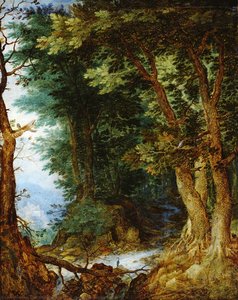
This captivating artwork by Eugène Louis Boudin offers a serene glimpse into 19th-century rural life. Painted in 1856, “Forest Landscape” exemplifies the burgeoning Impressionist movement, capturing a scene of rolling hills, trees, and a bright blue sky dotted with puffy clouds. The painting depicts a path winding through the foreground, leading towards a wooded area – an invitation to wander into nature's embrace. Boudin masterfully utilizes loose brushstrokes and atmospheric perspective to create a sense of depth and distance, drawing the viewer into the scene’s tranquil atmosphere. It is more than just a depiction of a landscape; it's an exploration of light, color, and the fleeting beauty of the natural world.
Impressionistic Technique and Artistic Influences
Boudin was a pioneer in *plein air* painting – taking his easel outdoors to directly observe and capture nature’s ever-changing effects. This technique is vividly apparent in "Forest Landscape," where visible brushstrokes build up form and create a shimmering, textured surface. The color palette, dominated by greens and blues with touches of brown and yellow, further enhances the impressionistic style. Boudin's work was heavily influenced by Dutch masters and particularly by Johan Jongkind, who introduced him to *plein air* painting. He also received recognition from Charles Baudelaire and Corot, who lauded him as "the king of the skies," a testament to his exceptional ability to portray atmospheric conditions. The flattened perspective, characteristic of Impressionism, prioritizes overall impression over strict spatial accuracy, allowing the viewer to experience the scene's emotional resonance rather than precise detail.
Historical Context and Boudin’s Legacy
Painted during a period of significant artistic transition, "Forest Landscape" reflects the shift away from traditional academic painting towards a more subjective and observational approach. Boudin played a crucial role in paving the way for Impressionism, significantly influencing artists like Claude Monet and others who would later define the movement. His focus on capturing fleeting moments and atmospheric conditions challenged conventional notions of artistic representation and helped establish a new aesthetic sensibility. Boudin's dedication to painting outdoors directly contributed to the development of *plein air* techniques that became central to Impressionist practice, solidifying his place as a foundational figure in art history.
Emotional Impact and Symbolic Elements
Beyond its technical brilliance, "Forest Landscape" evokes a profound sense of tranquility and peace. The soft lighting, the winding path, and the harmonious color palette all contribute to an atmosphere of serenity. The painting subtly suggests themes of nature's restorative power and the beauty found in everyday scenes. While not overtly symbolic, the path can be interpreted as representing life’s journey or a connection between humanity and the natural world. The overall emotional impact is one of quiet contemplation and appreciation for the simple pleasures of rural life – an invitation to pause and reflect on the beauty that surrounds us.
კითხვები და პასუხები
რა არის ევგენე ბუდინი-ის „Forest Landscape“-ის დომინანტური ფერი?
ევგენე ბუდინი-ის „Forest Landscape“ ნამუშევრის დომინანტური ფერი Ochre to Sepia-ია. ეს ფერი პალიტრის საფუძვლად მდებარე ტონ ແມ່ນ.
სად შემიძლია "Forest Landscape"-ის წინასწარი ნახვა?
გვერდი წინასწარი ნახვა ნამუშევრის "Forest Landscape" საშუალებას გაძლევთ წინასწარ ნახოთ ხელოვნების ნიმუში შეკვეთამდე.
რა არის ევგენე ბუდინი-ის „Forest Landscape“-ის დომინანტური ფერი?
ნამუშევარში "Forest Landscape" ყველაზე თვალსაჩინო ფერია Putty (#cfc1ac). დომინანტური ფერის ცოდნა სასარგებლოა ნამუშევრის ინტერიერთან შესაბამისობისთვის.



 ნახვა ინტერьерში
 გადართვა ბეჭდვის რეჟიმზე
 გაგზავნა
 გაზიარება
 დეტალები
 გზამკვლევი

 ჩამოტვირთვა
 მსგავსები
 რენტგენოგრაფიული კვლევა
 სლაიდშოუ
 სტატისტიკა

 სრული ტექსტის ნახვა






































 მინის ჩარჩოს არჩევანი ხელმისაწვდომია მხოლოდ 110 სმ-მდე ზომისთვის