წინასწარი ნახვა AR წინასწარი ნახვა შეიძინეთ ხელით შესრულებული ნახატი გადასვლა ციფრულ გამოსახულებაზე გაგზავნა
დეტალები დამატება ფავორიტებში ჩამოტვირთვა მსგავსები რენტგენოგრაფიული კვლევა სლაიდშოუ სტატისტიკა

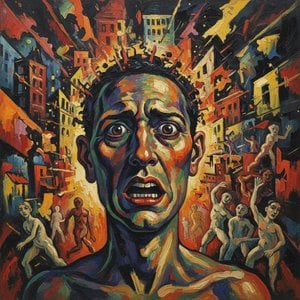
Vier Badende

Experience Ernst Ludwig Kirchner's vibrant "Vier Badende," a seminal Expressionist painting capturing four nude women in a serene lakeside scene. Bold colors and emotive forms define this 1910 masterpiece, showcasing the artist’s unique style – discover or own a piece of art history.

ერნსტ ლუი დიქშერი გერმანელი მხატვარი ბელა-ალლიანსი პლატზი ბერლინის ცენტრალურ მოედანი და ტრუმფე მეგობრობის ძეგლი ჩადებულია გამოხდა სტილისთვის და ფანტაზია სურათში. მისი ნაწარმავები და მხატვრობა გერმანელი expressãoისტების ერთგვარ ლიდერს წარმოადგენენ და ბერლინის დედაქალაქის ცენტრალურ მოედანი და ტრუმფე მეგობრობის ძეგლი ჩადებულია გამოხდა სტილისთვის და ფანტაზია სურათში.

გიკლე / ხელოვნების პრინტი

მუზეუმის დონის ჟიკლე ან ტილოზე ბეჭდვა სწრაფი წარმოებისა და დასრულების მოქნილი ვარიანტებით. ( შეიძინეთ ხელით შესრულებული ნახატი გადასვლა ციფრულ გამოსახულებაზე)

P118B $10
P118H $10
P118W $10
P438Z $10
P508JH $12
P508YH $12
P805H $10
P805Z $10
P919BZ $10
P919G $10
P919XJ $10
P959ZH $10
P968JZ $12
W106C $8
W218G $10
W218JH $8
W218Y $10
W307PJ $10
W316G $10
W316PJ $8
W316Y $10
W398PJ $8
W4111J $10
W500HY $15
W500JH $15
W692G $12
W849H $8
W940BG $15
W953PJ $8

სტანდარტული
სასურველი ზომის
CM
INCH

აირჩიეთ ჩვენს მიერ წინასწარ განსაზღვრული ზომებიდან, რომლებიც ნაწარმოების ორიგინალურ პროპორციებს შეესაბამება.

სიგანე
სიმაღლე

თქვენ შეგიძლიათ მიუთითოთ საკუთარი ზომები კონკრეტული ჩარჩოსთვის ან სივრცისთვის მოსარგებლებლად. თუ თქვენ მიერ არჩეული ზომა არ შეესაბამება ორიგინალი გამოსახულების პროპორციებს, ჩვენ ან დავჭრით ნამუშევარს, ან გავაფართოვებთ გამოსახულებას სარკული ან ერთფეროვანი კიდეებით. წარმოების დაწყებამდე თქვენს დასამტკიცებლად გამოგეგზავნებათ ციფრული მაკეტი.
გთხოვთ, გაითვალისწინოთ, რომ ეკრანზე ნაჩვენები წინასწარი ნახვა არ ასახავს რეალურ ჭრას ან გაფართოებას. მხოლოდ მაკეტზე იქნება ზუსტად წარმოდგენილი საბოლოო კომპოზიცია.
მიუხედავად იმისა, რომ ინდივიდუალური ზომები ხელმისაწვდომია, ორიგინალური პროპორციების შესანარჩუნებლად გირჩევთ, აირჩიოთ ზომა წინასწარ განსაზღვრული სიისგან.

მიწოდება მთელ მსოფლიოში () 2 კვირაში, სტანდარტული 4/5 კვირის ნაცვლად. (19 სექტემბერი)

why_choose_icon
უფასო ექსპრეს მიწოდება მთელ მსოფლიოში
why_choose_icon
საბამად მაღალი ხარისხის ტილო
why_choose_icon
სრული ტრანსპორტირების დაზღვევა
why_choose_icon
საბაჟო გადასახადების დაბრუნების გარანტია
why_choose_icon
ფერების სრული შესაბამისობის გარანტია
why_choose_icon
დაბრუნების 100-დღიანი პოლიტიკა (მხოლოდ დეფექტის შემთხვევაში)
why_choose_icon
100% თანხის დაბრუნების გარანტია
why_choose_icon
ფასდაკლება დიდი რაოდენობით შეკვეთისას

ჯამური ღირებულება

$ 68

reproduction

Vier Badende

გიკლე / ხელოვნების პრინტი

რეკლამაციის ზომა

-

საბოლოო ფასი

$ 68

მოკლე ინფორმაცია

  • Location: Von Der Heydt Museum, Wuppertal
  • Artistic style: Expressionist
  • Year: 1910
  • Influences:
    • Dürer
    • Modern life
  • Subject or theme: Bathing women, leisure
  • Notable elements: Vibrant colors, distorted forms
  • Title: Vier Badende

A Window into the Soul: Ernst Ludwig Kirchner's "Vier Badende"

Ernst Ludwig Kirchner’s “Vier Badende” (Four Bathing Women), painted in 1910, is more than just a depiction of four women enjoying a lakeside moment; it’s a visceral expression of the anxieties and burgeoning modernity that defined early 20th-century Germany. This captivating work, now residing within the Von Der Heydt Museum in Wuppertal, exemplifies the core tenets of Expressionism – a movement Kirchner helped pioneer with his unflinching portrayal of human emotion and experience. The painting immediately arrests the viewer with its bold, almost jarring, color palette; vibrant blues, greens, and reds clash dynamically, reflecting not a serene natural scene but rather an intensely felt psychological state.

  • Subject Matter: Four nude women are immersed in a lake, engaging in what appears to be a private moment of leisure. Their postures, though relaxed, possess a subtle tension, hinting at the underlying unease prevalent within Kirchner’s work.
  • Composition: The arrangement is deliberately unbalanced, contributing to the painting's unsettling effect. The women are not arranged symmetrically, and their gazes are averted, fostering a sense of isolation and detachment.
  • Setting: A backdrop of trees provides a muted counterpoint to the intense colors of the figures, suggesting a natural world viewed through a distorted lens – a common theme in Expressionist art.

The Language of Emotion: Kirchner's Expressionistic Technique

Kirchner’s mastery lies not in meticulous realism but in his ability to translate raw emotion onto canvas. “Vier Badende” is executed with thick, impasto brushstrokes – a technique that adds texture and physicality to the scene. The distorted forms of the women are deliberately exaggerated, reflecting Kirchner's desire to convey inner turmoil rather than simply represent external reality. The use of color isn’t about accurate representation; it’s about evoking feeling. The jarring juxtaposition of hues creates a sense of unease and psychological tension, mirroring the anxieties of the era.

Kirchner’s choice of oil on canvas allowed him to build up layers of paint, creating a rich surface that seems to pulsate with energy. This technique is particularly evident in the rendering of the women's skin, which appears almost sculpted – a deliberate departure from traditional academic approaches to figure painting.

Historical Context and Symbolism

"Vier Badende" was created during a period of immense social and political upheaval in Germany. The rise of industrialization, urbanization, and new philosophical ideas were challenging traditional values and creating a sense of disorientation. Kirchner’s art reflects this anxiety, capturing the feeling of alienation and displacement that many people experienced at the time. The painting can be interpreted as a commentary on the changing role of women in society – their increasing freedom alongside the anxieties surrounding sexuality and identity.

The scene itself—women bathing together—holds symbolic weight. It represents a fleeting moment of intimacy and connection, yet this is immediately undermined by the overall mood of isolation and tension within the painting. The figures are not united; they exist in their own separate worlds, reflecting the fragmented nature of modern life.

A Legacy of Emotional Intensity

“Vier Badende” remains a powerful testament to Kirchner’s artistic vision and his profound understanding of the human condition. It is a key work within the Expressionist movement, demonstrating the movement's commitment to subjective experience over objective representation. Its enduring appeal lies in its ability to evoke a strong emotional response – a sense of unease, vulnerability, and perhaps even a glimmer of hope amidst the chaos of modern life. This painting offers a rare glimpse into the soul of an artist grappling with the complexities of his time, making it a truly significant addition to any collection or a compelling focal point for interior design.


მხატვრის ბიოგრაფია

Ernst Ludwig Kirchner (1880-1938): A Life Forged in Expression

Ernst Ludwig Kirchner, a name inextricably linked to the visceral heart of German Expressionism, emerged from a formative period – the cusp of monumental societal shifts – shaping an artistic trajectory defined by both fervent innovation and profound personal torment. His birth in Aschaffenburg, Bavaria, in 1880, initiated a life irrevocably molded by artistic experimentation and shadowed by psychological complexities. The evolving landscapes surrounding his childhood, dictated largely by his father’s profession as a paper scientist, instilled within him an inherent sense of displacement—a feeling that would subsequently permeate the very core of his oeuvre. From Frankfurt to Perlen, and culminating in his settled existence in Chemnitz, Kirchner absorbed the burgeoning anxieties characteristic of Germany's accelerating modernization, fueling a creative impulse rooted in confronting these turbulent currents. Initially steered toward architecture at Königliche Technische Hochschule Dresden, it was an instinctive yearning for painting—a rejection of academic formalism coupled with admiration for masters like Albrecht Dürer—that ultimately cemented his artistic vocation. He found kinship amongst fellow rebels – Fritz Bleyl, Karl Schmidt-Rottluff, and Erich Heckel – forging bonds that irrevocably altered the trajectory of 20th-century art history.

Die Brücke: A Collective Response to Modern Anxiety

Kirchner’s artistic journey gained momentum in 1905 with his pivotal membership in *Die Brücke* (“The Bridge”), an artistic collective dedicated to bridging the chasm between traditional aesthetics and a more emotionally charged artistic idiom. This wasn't merely stylistic preference; it represented a fundamental philosophical stance—a resolute determination to transcend prevailing societal norms and embrace a radically honest portrayal of human experience. The group’s inspiration drew from sources often marginalized by the established art world: primitive art originating in Africa and Oceania, the audacious chromatic palette championed by Vincent van Gogh, and Edvard Munch's haunting exploration of psychological depths. Rejecting idealized representations of beauty favored by academic painting, *Die Brücke* artists deliberately distorted forms, employed jarring color combinations, and utilized expressive brushwork to convey the pervasive anxieties underpinning modern life. Kirchner’s formative works born from this collaborative spirit pulsed with an unrestrained energy—a reflection of the collective's shared conviction that artistic expression could serve as a conduit for confronting existential uncertainties. The studio became a crucible for experimentation, mirroring the broader societal upheaval of the era and fostering a dialogue between tradition and innovation.

Early Influences & Artistic Training

Kirchner’s formative years were marked by intellectual curiosity and a burgeoning appreciation for visual art. His father's occupation as Professor of Paper Sciences instilled in him an awareness of craftsmanship and meticulous observation—skills that would prove invaluable to his artistic development. Attending Königliche Technische Hochschule Dresden provided him with foundational architectural training alongside intensive artistic instruction, cultivating his understanding of perspective drawing and the historical study of art. Notably, he befriended Fritz Bleyl during his studies, sharing a profound intellectual kinship characterized by spirited debate regarding artistic philosophy and aesthetic ideals. This friendship profoundly shaped Kirchner’s worldview—a conviction that art possessed the capacity to transcend superficial appearances and grapple with fundamental questions concerning human existence. His early explorations encompassed meticulous botanical drawings alongside ambitious architectural sketches—demonstrating a multifaceted approach to visual representation rooted in both scientific rigor and artistic sensitivity.

The Expressionist Style: Distortion & Emotion

Kirchner’s artistic style swiftly distinguished itself from prevailing academic conventions, establishing him as a pioneer of German Expressionism. Rejecting the pursuit of idealized beauty—a hallmark of Impressionism—he embraced distortion, jarring color palettes, and expressive brushwork to convey profound emotional states. Influenced particularly by Henri Matisse and Edvard Munch, Kirchner deliberately manipulated form and color to heighten the impact of his compositions—creating visual narratives that prioritized psychological resonance over literal accuracy. His canvases pulsated with an energy born from confronting anxieties about humanity’s place in the modern world—a preoccupation reflected in recurring motifs such as urban landscapes populated by solitary figures grappling with existential dilemmas. The studio served as a locus for experimentation, mirroring the broader societal turbulence of the period and fostering a dialogue between tradition and innovation. Kirchner's masterful handling of pigment—characterized by visible brushstrokes and bold color combinations—became synonymous with the Expressionist aesthetic—a testament to his unwavering commitment to artistic truthfulness.

Legacy & Recognition: Facing Adversity

Kirchner’s artistic career was tragically curtailed by the rise of Nazism in 1933, resulting in devastating consequences for his work and personal life. Over six hundred of his paintings were confiscated and deemed “degenerate” art—a politically motivated act that inflicted irreparable damage upon his reputation and severed him from mainstream German cultural discourse. Suffering from debilitating illness—likely exacerbated by psychological trauma—Kirchner retreated to Davos, Switzerland, seeking solace amidst the tranquil Alpine landscape. Despite facing persecution and declining health, he continued to create—producing evocative depictions of mountains and forests imbued with a palpable sense of melancholy and longing. Tragically, Kirchner succumbed to suicide in 1938—a poignant end to a life dedicated to artistic expression and confronting existential anxieties. Nevertheless, Ernst Ludwig Kirchner’s enduring legacy persists as a cornerstone of German Expressionism—inspiring generations of artists with his uncompromising vision and masterful technique. His paintings continue to resonate powerfully today—serving as a testament to the transformative potential of art to grapple with profound questions concerning human experience and societal change.

მოკლე ინფორმაცია

  • Artistic Movement Or Style: ექსპრესიონიზმი
  • Artists Who Influenced This Artist:
    • ალბრეხტი დურერი
    • ვინსენტი ვან გოხი
    • ედვარდი მუნხ
  • Date Of Birth: 6 მაისი 1880
  • Date Of Death: 15 ივნისი 1938
  • Full Name: Ernst Ludwig Kirchner
  • Nationality: გერმანელი
  • Notable Artworks:
    • სტურიტის სველი დანდები
    • დი ბრიუხე
    • სავაჭრო სადგომები და კაფეები
  • Place Of Birth: ასშაფენბურგი, გერმანია
აღმოაჩინეთ ხელოვნების ნაწარმოებები თემების, სტილისა და მახასიათებლების მიხედვით დაჯგუფებული.