x
წინასწარი ნახვაწინასწარი ნახვა AR წინასწარი ნახვაAR წინასწარი ნახვა შეიძინეთ პრინტი შეიძინეთ პრინტიშეიძინეთ ხელით შესრულებული ნახატი შეიძინეთ ხელით შესრულებული ნახატი გაგზავნაგაგზავნა
დეტალებიდეტალები დამატება ფავორიტებში დამატება ფავორიტებში ჩამოტვირთვაჩამოტვირთვა მსგავსებიმსგავსები რენტგენოგრაფიული კვლევარენტგენოგრაფიული კვლევა სლაიდშოუსლაიდშოუ

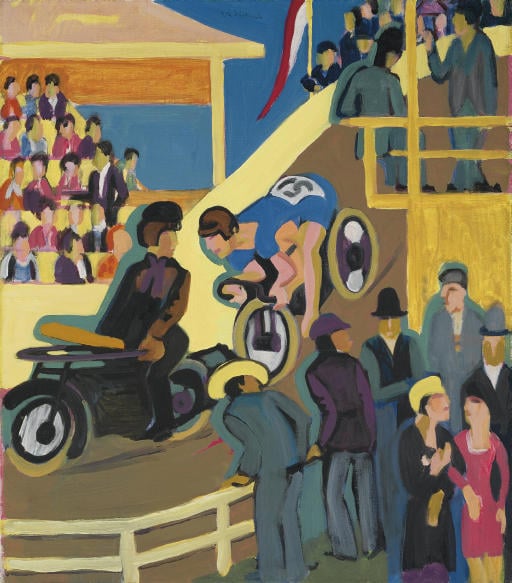
Motor cycle race with preload

Experience Ernst Ludwig Kirchner's 'Motorcycle Race'! This Expressionist masterpiece captures the energy of a race with bold colors, distorted forms, and dynamic lines – a powerful glimpse into early 20th-century art.

ერნსტ ლუი დიქშერი გერმანელი მხატვარი ბელა-ალლიანსი პლატზი ბერლინის ცენტრალურ მოედანი და ტრუმფე მეგობრობის ძეგლი ჩადებულია გამოხდა სტილისთვის და ფანტაზია სურათში. მისი ნაწარმავები და მხატვრობა გერმანელი expressãoისტების ერთგვარ ლიდერს წარმოადგენენ და ბერლინის დედაქალაქის ცენტრალურ მოედანი და ტრუმფე მეგობრობის ძეგლი ჩადებულია გამოხდა სტილისთვის და ფანტაზია სურათში.

შეიძინეთ მაღალი რეზოლუციის, გაუმჯობესებული ციფრული გამოსახულება, რომელიც ხარისხით ბევრად აღემატება ონლაინ წინასწარ ნახვას.

თითოეულ ფაილს ჩვენი შიდა სპეციალისტები საგულდაგულოდ ამზადებენ თანამედროვე ინსტრუმენტებისა და პროფესიონალური რეტუშირების გამოყენებით. ჩვენ უზრუნველყოფთ, რომ თითოეულ გამოსახულებას ჰქონდეს გამორჩეული სიცხადე, ფერების ზუსტი გადაცემა და დეტალიზაცია.

დასრულებული ფაილი ელექტრონული ფოსტით 72 საათში გიგზავნით; იგი ოპტიმიზებულია პროფესიონალური, რედაქციული და პოლიგრაფიული გამოყენებისთვის. ეს არის ისეთივე ხარისხი, რომელსაც წამყვანი დიზაინ-სტუდიები, გამომცემლობები და გალერეები ენდობიან.

ციფრული გამოსახულება

ჩამოტვირთეთ მაღალი გარჩევადობის ფაილი პირადი გამოყენებისთვის, დასაბეჭდად და შემოქმედებითი პროექტებისთვის. (შეიძინეთ პრინტი შეიძინეთ პრინტიშეიძინეთ ხელით შესრულებული ნახატი შეიძინეთ ხელით შესრულებული ნახატი)

საბოლოო ფასი

$ 24.90

ყოველ ციფრულ გამოსახულების შეკვეთაში შედის

ექსპერტული ციფრული მიწოდება, გარანტირებული

როდესაც ირჩევთ WahooArt.com-ს, თქვენ მხოლოდ სურათს კი არ იღებთ, არამედ იღებთ პროფესიონალურად დამუშავებულ ციფრულ ნამუშევარს, რომელიც შექმნილია უზადო სიზუსტით და დაცულია კმაყოფილების გარანტიით. თქვენს შეკვეთას ავტომატურად მოჰყვება შემდეგი:

shipping_icon
სწრაფი მიწოდება ელექტრონული ფოსტით

თქვენს მაღალი რეზოლუციის ციფრულ გამოსახულებას ელექტრონული ფოსტით შეკვეთის დაწყებიდან 72 საათში მიიღებთ — ის მზად იქნება დაუყოვნებლივი გამოყენებისთვის.

canvas_icon
AI-ით გაუმჯობესებული ციფრული ფაილი

თქვენი ხელოვნების ნიმუშები პროფესიონალურად არის ოპტიმიზებული მოწინავე AI ინსტრუმენტებისა და მექანიკური რედაქტირების მეშვეობით, რაც უზრუნველყოფს მაქსიმალურ დეტალიზაციას, სიცხადესა და ფერების სიზუსტეს.

insurance_icon
ციფრული გამოსახულებების უფასო სამუდამო ხელახალი მიღება

ფაილი შემთხვევით წაიშალა ან დაკარგეთ? ნუបედავთ — ჩვენ მას ნებისმიერ დროს, უფასოდ ხელახლა გამოგეგზავნით.

tax_icon
იმპორტის გადასახადების გარეშე — ყოველთვის

ჭიდად ისიამოვნეთ თქვენი ნამუშევრით მყისიერად, საბაჟო გადასახადის, მოსაკრებლის ან მიწოდების ხარჯის გარეშე - ციფრული ჩამტვირთვისას ყოველთვის საგადასახადო თავისუფლებაა.

color_icon
ფერების სიზუსტის გარანტია

პროფესიონალური ინსტრუმენტებისა და ფერების მართვის სისტემის გამოყენებით, ჩვენ უზრუნველყოფთ, რომ თქვენი ციფრული გამოსახულება მაქსიმალურად ზუსტად ასახავდეს ორიგინალურ ფერებს.

return_icon
60-დღიანი კმაყოფილების გარანტია

თუ თქვენს ციფრულ გამოსახულებას ვერ დაკმაყოფილებთ, ჩვენ შევირჩევთ მას ან დავაბრუნებთ 100% თანხას 60 დღის განმავლობაში — ყოველგვარი დამატებითი კითხვის გარეშე.

guarantee_icon
100% თანხის დაბრუნების გარანტია

არ არის თქვენი კმაყოფილების საფუძველი? მიიღეთ თანხის სრული დაბრუნება ციფრული ფაილის მიღებიდან 60 დღის განმავლობაში — ყოველგვარი დამატებითი კითხვის გარეშე.

discount_icon
ფასდაკლება დიდი რაოდენობით შეკვეთაზე

შეიძინეთ 3 გამოსახულება და მიიღეთ 10% ფასდაკლება - შეიძინეთ 5 და მიიღეთ 15% ფასდაკლება - შეიძინეთ 10+-ზე და მიიღეთ 20% ფასდაკლება. იდეალურია კრეატიული პროექტებისთვის, გალერეებისა და სააგენტოებისთვის.

მოკლე ინფორმაცია

  • Influences: Kirchner's work
  • Artist: Ernst Ludwig Kirchner
  • Title: Motorcycle Race with Preload
  • Medium: Oil on canvas
  • Artistic style: Dynamic, chaotic composition
  • Notable elements: Distorted forms, bold colors

ხელოვნების ტესტი

თითოეულ კითხვაზე მხოლოდ ერთი სწორი პასუხია.

კითხვა 1:
What artistic movement is most closely associated with this artwork?
კითხვა 2:
The painting’s composition features a tilted perspective. What effect does this primarily create?
კითხვა 3:
What is the dominant color palette used in this artwork?
კითხვა 4:
The visible brushstrokes and impasto technique contribute to the artwork’s overall effect. What is this primarily intended to achieve?
კითხვა 5:
Considering Ernst Ludwig Kirchner’s broader artistic output, what theme is frequently explored in his works?

კოლექციონირებადი ნივთის აღწერა

A Frenetic Vision of Modernity: Exploring Kirchner’s “Motorcycle Race with Preload”

Ernst Ludwig Kirchner's "Motorcycle Race with Preload," painted in 1927-1928, isn’t merely a depiction of a sporting event; it’s a visceral embodiment of the anxieties and dynamism inherent in early 20th-century urban life. This work, rendered in oil on canvas, pulsates with an Expressionist energy—a deliberate distortion of reality designed to convey raw emotion rather than photographic accuracy. Kirchner, a founding member of Die Brücke (The Bridge), sought to capture not just what he saw, but how it *felt*, and this painting is a prime example of that ambition. The scene unfolds within a compressed space, dominated by the chaotic energy of the race itself, yet simultaneously hinting at the claustrophobia and relentless pace of modern existence.

The composition immediately grabs the viewer with its tilted perspective—a deliberate destabilization that mirrors the frenetic movement of the motorcycles. Diagonal lines, most notably those created by the track barriers and the receding architecture, generate a powerful sense of tension and forward momentum. Figures are densely packed, almost merging into one another, creating a visual cacophony that reflects the overwhelming nature of the event. Kirchner masterfully employs color to heighten this effect; vibrant yellows and oranges blaze across the canvas, contrasted sharply with the darker tones used for the racers and the shadowy background. This deliberate clash of hues isn’t simply aesthetic—it's a symbolic representation of the jarring realities of modern life, where pleasure and anxiety coexist in a turbulent dance.

Expressionist Techniques: Brushstrokes as Emotional Signifiers

Kirchner’s technique is central to understanding the painting’s emotional impact. He eschews smooth blending and meticulous detail, opting instead for thick, visible brushstrokes—an impasto application of paint that lends a raw, almost tactile quality to the work. These deliberate marks aren't accidental; they are expressive tools, conveying movement, energy, and the artist’s subjective experience. The painting feels unfinished in a way that deliberately amplifies its intensity. Notice how the brushwork intensifies around the racers, suggesting their speed and urgency, while remaining looser and more diffused in the background, creating a sense of distance and disorientation.

The simplification of forms—blocky figures and stylized motorcycles—further contributes to the painting’s Expressionist character. Kirchner wasn't interested in rendering realistic details; he was focused on capturing the essence of the subject – its energy, its chaos, its emotional weight. The lack of precise anatomical accuracy reinforces this impression, transforming the racers into archetypal figures representing the relentless drive and competitive spirit of the era. The use of color is equally symbolic: the bright yellows and oranges evoke a sense of excitement and danger, while the darker tones hint at the underlying anxieties and uncertainties of modern life.

Symbolism and the Urban Landscape

Beyond its depiction of a motorcycle race, “Motorcycle Race with Preload” offers a broader commentary on urban life in the early 20th century. Kirchner was deeply concerned with the alienation and fragmentation he observed in cities—the sense of isolation amidst crowds, the relentless pace of industrialization, and the loss of connection to nature. The densely packed composition can be interpreted as a metaphor for the overwhelming nature of modern society, while the blurred figures suggest a lack of individual identity within this chaotic environment. The painting’s energy mirrors the anxieties of a rapidly changing world—a world grappling with modernity's promises and its unsettling consequences.

Consider also the historical context: Kirchner was working during a period of significant social and political upheaval in Germany, marked by increasing industrialization, urbanization, and growing social unrest. “Motorcycle Race with Preload” can be seen as a reflection of these anxieties—a visual expression of the tensions and uncertainties that characterized this era. It’s a powerful reminder of how art can serve not just as a representation of reality, but as a vehicle for exploring complex emotions and ideas.


მხატვრის ბიოგრაფია

Ernst Ludwig Kirchner (1880-1938): A Life Forged in Expression

Ernst Ludwig Kirchner, a name inextricably linked to the visceral heart of German Expressionism, emerged from a formative period – the cusp of monumental societal shifts – shaping an artistic trajectory defined by both fervent innovation and profound personal torment. His birth in Aschaffenburg, Bavaria, in 1880, initiated a life irrevocably molded by artistic experimentation and shadowed by psychological complexities. The evolving landscapes surrounding his childhood, dictated largely by his father’s profession as a paper scientist, instilled within him an inherent sense of displacement—a feeling that would subsequently permeate the very core of his oeuvre. From Frankfurt to Perlen, and culminating in his settled existence in Chemnitz, Kirchner absorbed the burgeoning anxieties characteristic of Germany's accelerating modernization, fueling a creative impulse rooted in confronting these turbulent currents. Initially steered toward architecture at Königliche Technische Hochschule Dresden, it was an instinctive yearning for painting—a rejection of academic formalism coupled with admiration for masters like Albrecht Dürer—that ultimately cemented his artistic vocation. He found kinship amongst fellow rebels – Fritz Bleyl, Karl Schmidt-Rottluff, and Erich Heckel – forging bonds that irrevocably altered the trajectory of 20th-century art history.

Die Brücke: A Collective Response to Modern Anxiety

Kirchner’s artistic journey gained momentum in 1905 with his pivotal membership in *Die Brücke* (“The Bridge”), an artistic collective dedicated to bridging the chasm between traditional aesthetics and a more emotionally charged artistic idiom. This wasn't merely stylistic preference; it represented a fundamental philosophical stance—a resolute determination to transcend prevailing societal norms and embrace a radically honest portrayal of human experience. The group’s inspiration drew from sources often marginalized by the established art world: primitive art originating in Africa and Oceania, the audacious chromatic palette championed by Vincent van Gogh, and Edvard Munch's haunting exploration of psychological depths. Rejecting idealized representations of beauty favored by academic painting, *Die Brücke* artists deliberately distorted forms, employed jarring color combinations, and utilized expressive brushwork to convey the pervasive anxieties underpinning modern life. Kirchner’s formative works born from this collaborative spirit pulsed with an unrestrained energy—a reflection of the collective's shared conviction that artistic expression could serve as a conduit for confronting existential uncertainties. The studio became a crucible for experimentation, mirroring the broader societal upheaval of the era and fostering a dialogue between tradition and innovation.

Early Influences & Artistic Training

Kirchner’s formative years were marked by intellectual curiosity and a burgeoning appreciation for visual art. His father's occupation as Professor of Paper Sciences instilled in him an awareness of craftsmanship and meticulous observation—skills that would prove invaluable to his artistic development. Attending Königliche Technische Hochschule Dresden provided him with foundational architectural training alongside intensive artistic instruction, cultivating his understanding of perspective drawing and the historical study of art. Notably, he befriended Fritz Bleyl during his studies, sharing a profound intellectual kinship characterized by spirited debate regarding artistic philosophy and aesthetic ideals. This friendship profoundly shaped Kirchner’s worldview—a conviction that art possessed the capacity to transcend superficial appearances and grapple with fundamental questions concerning human existence. His early explorations encompassed meticulous botanical drawings alongside ambitious architectural sketches—demonstrating a multifaceted approach to visual representation rooted in both scientific rigor and artistic sensitivity.

The Expressionist Style: Distortion & Emotion

Kirchner’s artistic style swiftly distinguished itself from prevailing academic conventions, establishing him as a pioneer of German Expressionism. Rejecting the pursuit of idealized beauty—a hallmark of Impressionism—he embraced distortion, jarring color palettes, and expressive brushwork to convey profound emotional states. Influenced particularly by Henri Matisse and Edvard Munch, Kirchner deliberately manipulated form and color to heighten the impact of his compositions—creating visual narratives that prioritized psychological resonance over literal accuracy. His canvases pulsated with an energy born from confronting anxieties about humanity’s place in the modern world—a preoccupation reflected in recurring motifs such as urban landscapes populated by solitary figures grappling with existential dilemmas. The studio served as a locus for experimentation, mirroring the broader societal turbulence of the period and fostering a dialogue between tradition and innovation. Kirchner's masterful handling of pigment—characterized by visible brushstrokes and bold color combinations—became synonymous with the Expressionist aesthetic—a testament to his unwavering commitment to artistic truthfulness.

Legacy & Recognition: Facing Adversity

Kirchner’s artistic career was tragically curtailed by the rise of Nazism in 1933, resulting in devastating consequences for his work and personal life. Over six hundred of his paintings were confiscated and deemed “degenerate” art—a politically motivated act that inflicted irreparable damage upon his reputation and severed him from mainstream German cultural discourse. Suffering from debilitating illness—likely exacerbated by psychological trauma—Kirchner retreated to Davos, Switzerland, seeking solace amidst the tranquil Alpine landscape. Despite facing persecution and declining health, he continued to create—producing evocative depictions of mountains and forests imbued with a palpable sense of melancholy and longing. Tragically, Kirchner succumbed to suicide in 1938—a poignant end to a life dedicated to artistic expression and confronting existential anxieties. Nevertheless, Ernst Ludwig Kirchner’s enduring legacy persists as a cornerstone of German Expressionism—inspiring generations of artists with his uncompromising vision and masterful technique. His paintings continue to resonate powerfully today—serving as a testament to the transformative potential of art to grapple with profound questions concerning human experience and societal change.

მოკლე ინფორმაცია

  • Artistic Movement Or Style: ექსპრესიონიზმი
  • Artists Who Influenced This Artist:
    • ალბრეხტი დურერი
    • ვინსენტი ვან გოხი
    • ედვარდი მუნხ
  • Date Of Birth: 6 მაისი 1880
  • Date Of Death: 15 ივნისი 1938
  • Full Name: Ernst Ludwig Kirchner
  • Nationality: გერმანელი
  • Notable Artworks:
    • სტურიტის სველი დანდები
    • დი ბრიუხე
    • სავაჭრო სადგომები და კაფეები
  • Place Of Birth: ასშაფენბურგი, გერმანია