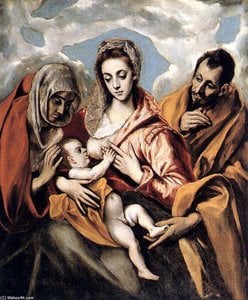
მიიღეთ ბეჭდვისთვის გამზადებული ფაილი, რომლის ხარისხიც ბევრად აღემატება ვებ-პრევიუსს. ჩვენს ბაზაში არსებული ყველა ციფრული გამოსახულება ეყრდნობა მაღალი რეზოლუციის ორიგინალს — როგორც წესი, 5,000-დან 15,000 პიქსელამდე სიგანის — რაც საშუალებას გაძლევთ, თავდაჯერებულად დაამბოროთ დიდი ზომის ბეჭდვა, მოახდინოთ ფრაგმენტის მჭიდროდ გამოჭრა ან აღადგინოთ ნატიფი დეტალები.
ჩვენს სტუდიაში არცერთი ფაილი შეუმჩნევლად არ რჩება. ციფრული ექსპერტი ადარებს ფერებს ორიგინალ ნახატს და საჭიროების შემთხვევაში ასწორებს მათ, შემდეგ კი პროფესიონალური რეტუშირების ინსტრუმენტებით აუმჯობესებს სიცხადესა და დეტალიზაციას — ყოველთვის ოსტატის ფუნჯის მონაკვეთებისა და სტილის ერთგულებით. შედეგი არის გამოსახულება, რომელიც ნამდვილ ნახატს ჰგავს და არა ფილტრებულ სკანირებას.
თქვენ აკონტროლებთ პროცესს მის დასრულებამდე: ჩვენი ექსპერტი 72 საათის განმავლობაში გამოგიგზავნით გამოსახულებას ელექტრონული ფოსტით გადასასინჯად. არ დაკმაყოფილებული? მოითხოვეთ ცვლილებები ან შესწორებები, ან მოითხოვეთ თანხის დაბრუნება, თუ ხარისხი თქვენს მოლოდინს ვერ შეესაბამება.
ეს არის ხარისხი, რომელსაც ენდობიან გამომცემლობები, დიზაინ სტუდიები, გალერეები და அச்சგამოცემები.
ჩამოტვირთეთ მაღალი გარჩევადობის ფაილი პირადი გამოყენებისთვის, დასაბეჭდად და შემოქმედებითი პროექტებისთვის. ( ბეჭდვის რეჟიმზე გადართვა შეიძინეთ ხელით შესრულებული ნახატი)
როდესაც ირჩევთ WahooArt.com-ს, თქვენ მხოლოდ სურათს კი არ იღებთ, არამედ იღებთ პროფესიონალურად დამუშავებულ ციფრულ ნამუშევარს, რომელიც შექმნილია უზადო სიზუსტით და დაცულია კმაყოფილების გარანტიით. თქვენს შეკვეთას ავტომატურად მოჰყვება შემდეგი:
თქვენს მაღალი რეზოლუციის ციფრულ გამოსახულებას შეკვეთის დაწყებიდან 72 საათში ელექტრონული ფოსტით მიიღებთ — ის მზად იქნება დაუყოვნებლივი გამოყენებისთვის.
თქვენი ხელოვნების ნიმუშები პროფესიონალურად არის ოპტიმიზებული მოწინავე AI ინსტრუმენტებისა და მექანიკური რედაქტირების მეშვეობით, რაც უზრუნველყოფს მაქსიმალურ დეტალიზაციას, სიცხადესა და ფერების სიზუსტეს.
ფაილი შემთხვევით წაიშალა ან დაკარგეთ? ნუបედავთ — ჩვენ მას ნებისმიერ დროს, უფასოდ ხელახლა გამოგეგზავნით.
ჭიდად ისიამოვნეთ თქვენი ნამუშევრით მყისიერად, საბაჟო გადასახადის, მოსაკრებლის ან მიწოდების ხარჯის გარეშე - ციფრული ჩამტვირთვისას ყოველთვის საგადასახადო თავისუფლებაა.
პროფესიონალური ინსტრუმენტებისა და ფერების მართვის სისტემის გამოყენებით, ჩვენ უზრუნველყოფთ, რომ თქვენი ციფრული გამოსახულება მაქსიმალურად ზუსტად ასახავდეს ორიგინალურ ფერებს.
თუ თქვენ არ დაკმაყოფილებული ხართ თქვენი ციფრული გამოსახულებით, ჩვენ შევიტანთ მასში ცვლილებებს ან დაგიბრუნებთ 100% თანხას 100 დღის განმავლობაში — ყოველგვარი კითხვის დასმევის გარეშე.
არ არის კმაყოფილი? მიიღეთ თანხის სრული დაბრუნება ციფრული ფაილის მიღებიდან 100 დღის განმავლობაში — ყოველგვარი დამატებითი კითხვების გარეშე.
შეიძინეთ 3 გამოსახულება და მიიღეთ 10% ფასდაკლება - შეიძინეთ 5 და მიიღეთ 15% ფასდაკლება - შეიძინეთ 10+-ზე და მიიღეთ 20% ფასდაკლება. იდეალურია კრეატიული პროექტებისთვის, გალერეებისა და სააგენტოებისთვის.
„The Risen Christ“-ის ფერები გამოირჩევა Dark სიკაშკაშით.
"The Risen Christ" შესრულებულია Acrylic-ით, Spanish Mannerism სტილში.
ელ გრეკო-ის „The Risen Christ“-ში დანახულია Statement კონტრასტი ღია და მუქ ფერებს შორის.
Doménikos Theotokópoulos, known to history as El Greco, began his life in 1541 on the island of Crete. At that time, the island was a Venetian possession, a fact that would later allow him to bridge the gap between Eastern and Western traditions. He was trained as an icon painter within the Byzantine tradition, a discipline that demanded a meticulous attention to detail and a focus on the spiritual essence of a subject rather than mere physical likeness. This early immersion in the Cretan school provided him with a sense of symbolic precision that would remain a constant, even as his style underwent radical transformations.
By the age of twenty-six, he moved to Venice, seeking to expand his understanding of the natural world. In the Venetian Republic, he encountered the works of Titian and Tintoretto, absorbing their mastery of color and the use of light to define form. He learned to move away from the rigid lines of his youth, embracing a more fluid brushwork and a sense of dynamism. This period was not a rejection of his roots but an expansion of them, as he began to blend the disciplined iconography of his Greek heritage with the atmospheric sensuality of the Italian Renaissance.
After a period in Rome, where he encountered the elongated forms and sophisticated compositions of Mannerism, El Greco settled in Toledo, Spain, in 1577. This move proved decisive. Toledo was a center of intense religious fervor during the Counter-Reformation, providing a landscape perfectly suited to his increasingly mystical vision. It was here that his style reached its most distinctive phase, characterized by figures that appeared stretched and contorted, as if pulled by an unseen spiritual force. He used color not to mimic reality, but to heighten emotional impact, often employing unnatural hues to depict the divine.
His work in Spain was marked by a tension between the earthly and the ethereal. In The Burial of the Count of Orgaz (1586-1588), he juxtaposed the realistic portrayal of contemporary figures with elongated, celestial forms, creating a visual bridge between the mortal and the divine. His ability to manipulate light and shadow allowed him to create a sense of drama that felt both theatrical and deeply personal. He did not merely paint scenes; he attempted to render the emotional and spiritual realities that exist beyond the surface of the physical world.
The later years of his life saw a move toward even greater abstraction and mysticism. His compositions became more complex, and his figures more distorted, reflecting a growing detachment from conventional artistic norms. While he achieved success and received significant commissions from churches and monasteries in Toledo, his influence was not immediately felt by the broader art world after his death in 1614. For a long period, he was viewed as an eccentric, his work largely overlooked by the mainstream of art history.
It was not until the 20th century that his importance was fully recognized. Modernists found in his work a precursor to the expressive and fragmented styles of the future. His ability to distort proportion and use bold, emotive color resonated with those seeking to convey internal psychological states. Today, his paintings are viewed as windows into the human spirit, celebrated for their unique ability to capture the intensity of faith and the struggle for transcendence.
Notable works include:

1541 - 1614 , საბერძნეთი
 წინასწარი ნახვა
 გაგზავნა
 გაზიარება
 დეტალები
 გზამკვლევი

 ჩამოტვირთვა
 მსგავსები
 რენტგენოგრაფიული კვლევა
 სლაიდშოუ
 კითხვა-პასუხი
 სტატისტიკა
 გააგრძელეთ კითხვა