

მუზეუმის დონის ჟიკლე ან ტილოზე ბეჭდვა სწრაფი წარმოებისა და დასრულების მოქნილი ვარიანტებით. ( შეიძინეთ ხელით შესრულებული ნახატი გადართვა ციფრულ გამოსახულებაზე)





























აირჩიეთ ჩვენს მიერ წინასწარ განსაზღვრული ზომებიდან, რომლებიც ნაწარმოების ორიგინალურ პროპორციებს შეესაბამება.

შეიყვანეთ თქვენთვის საჭირო სიგანე და სიმაღლე, რათა გამოსახულებამ თქვენს ჩარჩოს ან კედელს ზუსტად მოერგოს. ბეჭდვისას შესაძლებელია მხოლოდ მისი შემცირება და არა გაზრდა, ამიტომ სხვა ფორმის ზომის შემთხვევაში სურათი ნაწილობრივ იკარგება. სანამ რაიმეს დაბეჭდავთ, ჩვენ გამოგიგზავნით ციფრულ მაკეტს დასდასტურებლად. ამ გვერდზე ნაჩვენები სურათი არ ასახავს რეალურ ჭრას — ამას მხოლოდ მაკეტი გვიჩვენებს.
მიწოდება მთელ მსოფლიოში () 2 კვირაში, სტანდარტული 4/5 კვირის ნაცვლად. (8 ნოემბერი)
green stockings
რეპროდუქციის ზომა
Egon Schiele's "Green Stockings," painted in 1914, isn’t merely a depiction of a woman in a white dress and vibrant green stockings; it’s a raw, unflinching exploration of the human psyche – a window into the artist’s own turbulent inner world. This oil on canvas work, now residing within the Leopold Museum in Vienna, exemplifies the core tenets of Expressionism, utilizing bold color, distorted forms, and an intensely emotional palette to convey a sense of profound unease and vulnerability. Schiele, born in Tulln an der Donau, Austria, in 1890 – a region steeped in artistic tradition yet shadowed by personal tragedy – channeled his experiences into every brushstroke, creating images that resonate with a haunting intensity.
The painting immediately draws the eye to the striking contrast of the woman’s white dress against the assertive green of her stockings. This deliberate juxtaposition isn't simply decorative; it speaks to a complex interplay of innocence and transgression, restraint and suppressed desire. Schiele’s technique is characterized by rapid, almost frantic brushstrokes, particularly evident in the rendering of the figure’s body. The lines are not smooth or idealized, but rather jagged and fragmented, mirroring the emotional turmoil he sought to capture. He employed a technique known as “pointillism” – applying small dots of color – which contributes to the painting's shimmering quality and adds to its overall sense of movement and instability. Notice how the background is deliberately muted, almost dissolving into a hazy gray, further emphasizing the central figure and intensifying her isolation.
“Green Stockings” is deeply rooted in Schiele’s personal anxieties and his fascination with mortality, themes that permeated much of his oeuvre. The green itself carries significant symbolic weight – often associated with envy, jealousy, or even illicit passion. The stockings themselves can be interpreted as a symbol of vulnerability, exposing the figure's legs and hinting at a potential for exposure or danger. The woman’s averted gaze, directed slightly off-camera, adds another layer of intrigue. She isn’t inviting connection; she’s guarding herself, projecting an aura of guardedness and perhaps even fear. Schiele frequently explored themes of sexuality and the human condition in his work, often depicting figures in states of heightened emotional intensity or physical vulnerability – a direct reflection of his own struggles with illness and loss.
“Green Stockings” firmly places Schiele within the context of Expressionism, a movement that rejected traditional artistic conventions in favor of subjective experience. Artists like Edvard Munch and Vincent van Gogh had paved the way for this shift, prioritizing emotional truth over realistic representation. Schiele’s work aligns with this ethos by distorting form and color to express inner feelings rather than simply mirroring external reality. The painting's raw energy and psychological depth are hallmarks of Expressionism – a movement that sought to capture the anxieties and uncertainties of modern life. It is important to note Schiele's unique approach, often described as “self-expressionism,” where he used his art as a means of confronting his own demons.
Owning a reproduction of "Green Stockings" offers more than just an aesthetic addition to your space; it’s an opportunity to connect with one of the most compelling and emotionally resonant works of the 20th century. WahooArt.com meticulously recreates this masterpiece using skilled artisans and high-quality materials, ensuring a museum-worthy finish that captures every nuance of Schiele's original vision. Whether you’re an art enthusiast, a collector seeking to expand your collection, or simply someone drawn to the painting’s haunting beauty, a handmade oil painting reproduction provides a tangible link to this pivotal work of Expressionist art. Explore the related works and artist biographies on WahooArt.com for a deeper understanding of Egon Schiele's legacy.
"green stockings" ხელმისაწვდომია, როგორც ლენის ტილოზე შესრულებული ზეთწარმოთი, ხელით ნათესლით. შეკვეთის განთავსება და სასურველი ზომის არჩევა შესაძლებელია ხელით შესრულებული რეპროდუქცია გვერდის მეშვეობით.
"green stockings" რეკომენდებულია Accent-ისთვის, ხოლო საუკეთესო სივრცე არის Living Room."
एकोன் შიელი-ის „green stockings“-ის სიკაშკაშე შეადგენს brilliant-ს, ხოლო განათების დონე არის Luminous.

Born in 1890 in the Austrian town of Tulln an der Donau, Egon Schiele’s life was a tempestuous journey marked by both extraordinary artistic vision and profound personal hardship. His early years were shadowed by illness and loss; his father succumbed to syphilis when Egon was just fourteen, a tragedy that would deeply resonate within his work, fueling an obsession with mortality and the fragility of existence. Raised initially by his mother and then under the somewhat controlling guardianship of his uncle Leopold Czihaczek, Schiele’s childhood lacked conventional stability but fostered a fiercely independent spirit. Even as a boy, he displayed an intense fascination with trains—a motif that subtly reappeared in later paintings—and a burgeoning talent for drawing, though this was initially met with disapproval from his father who saw it as a distraction from more practical pursuits. The early death of his sister Elvira also cast a long shadow over the young artist’s psyche. These formative experiences instilled within him a sensitivity and an emotional rawness that would become hallmarks of his artistic expression, a constant grappling with themes of life, death, and the human condition.
Schiele's formal artistic training began at the Kunstgewerbeschule (School of Arts and Crafts) in Vienna, but he quickly found himself stifled by its conservative approach. He transferred to the Akademie der bildenden Künste (Academy of Fine Arts), only to become further disillusioned with its rigid academic traditions. This dissatisfaction led him to abandon formal training altogether, choosing instead to forge his own path, a testament to his unwavering artistic conviction. The influence of Gustav Klimt was pivotal during these early years; Schiele admired Klimt’s decorative style and exploration of symbolism, even receiving mentorship from the established artist. However, Schiele soon diverged from Klimt's aesthetic, developing a distinctly individual voice characterized by its stark honesty and psychological intensity. He co-founded the Neues Wiener Kunstgruppe (New Viennese Art Group) in 1909, aligning himself with other progressive artists who challenged the prevailing artistic norms. His early works, often unsettling portraits and self-portraits, began to emerge as powerful statements of emotional turmoil, featuring distorted figures and a palpable sense of vulnerability. These paintings were not merely representations of physical form but explorations of the inner landscape—the anxieties, desires, and fears that haunted the human psyche.
Egon Schiele’s art is immediately recognizable for its raw honesty and psychological depth. He fearlessly confronted themes often considered taboo – sexuality, death, anxiety, isolation – with an unflinching gaze. His distinctive style features elongated figures, contorted poses, and expressive lines that convey a sense of unease and emotional intensity. The human form, particularly the nude, became his primary subject, not as an object of idealized beauty but as a vessel for exploring the complexities of human experience. Self-portraits constitute a significant portion of his oeuvre, offering intimate glimpses into his inner world—a world often marked by loneliness and self-doubt. He didn’t shy away from depicting himself in unflattering or vulnerable poses, revealing a profound level of self-awareness and introspection. Beyond self-portraiture, Schiele created numerous portraits of others, capturing their likenesses with an unsettling realism that seemed to penetrate beneath the surface. His landscapes, while less central to his work than his figurative paintings, demonstrate his mastery of form and color, often reflecting the same emotional intensity as his portraits. The use of line is particularly striking in Schiele’s work; it's not merely a tool for defining shape but an expressive force that conveys emotion and psychological tension. Recurring motifs like the *Physalis plant* – symbolizing death and transience with its delicate, papery husk – further underscore this preoccupation with mortality.
Despite facing censorship and legal challenges – including a brief imprisonment for allegedly corrupting minors with his art – Schiele gained recognition within Vienna’s avant-garde circles. His work challenged the conventions of the time, provoking both admiration and outrage. By the time of his untimely death during the Spanish flu pandemic in 1918 at the age of twenty-eight, he had established himself as a leading figure in Austrian Expressionism. Significant works such as Self-Portrait with Physalis, Couple Embracing, and Field Landscape (Kreuzberg near Krumau) stand as testaments to his artistic genius. His influence on subsequent generations of artists is undeniable, particularly those interested in exploring psychological themes and challenging conventional artistic norms. Schiele’s bold approach to form and subject matter continues to resonate with audiences today, making him one of the most important and influential figures in early 20th-century art. His paintings are now held in major museum collections worldwide, including the Leopold Museum in Vienna and the Egon Schiele Art Centrum in Český Krumlov, ensuring his artistic legacy endures. He left behind a body of work that is not merely aesthetically compelling but profoundly human—a testament to the power of art to confront the complexities of existence with honesty, courage, and unwavering vision.

1890 - 1918 , ავსტრალია და ჰუნგარი

აღმოაჩინეთ ეგონ შილეს 25 საუკეთესო შედევრი! ექსპრესიონიზმის სიმბოლიზმი, ფსიქოლოგიური პორტრეტები და ავტოპორტრეტები. შეიძინეთ ხელოვნების რეკონსტრუქციები WahooArt.com-ზე და შექმნით თქვენი სახლის უნიკალური ინტერიერი. Explore the full collection online!
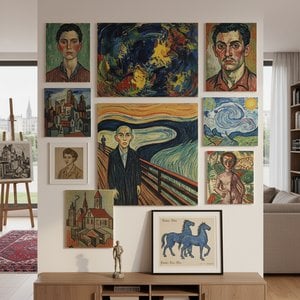
აღმოფრთოვანდით ექსპრესიონიზმის შედევრებით! ვან გოგი, მუნკი და სხვა ოსტატების 10 ყველაზე მნიშვნელოვანი ტილო. შეიგრძენემოციები, ფერები და ისტორია. იხილეთ ხელოვნების შესანიშნავი კოლექცია WahooArt.com-ზე!

Explore the emotionally charged world of Egon Schiele (1890-1918). Discover his Expressionist masterpieces, psychological themes, and lasting impact on modern art. A comprehensive guide for collectors & enthusiasts.

Explore the rich history & symbolism of green in art! Discover iconic paintings, techniques, and how to bring verdant harmony into your home with WahooArt's expert guide.

Explore 10 famous paintings where 'Chrome Green' reigns supreme! Discover Monet, Manet & Van Gogh’s masterpieces. Learn the stories behind these iconic artworks and find museum-quality art reproductions for your home at .
 წინასწარი ნახვა
 გაგზავნა
 გაზიარება
 დეტალები
 გზამკვლევი

 ჩამოტვირთვა
 მსგავსები
 რენტგენოგრაფიული კვლევა
 სლაიდშოუ
 კითხვა-პასუხი
 სტატისტიკა
 გააგრძელეთ კითხვა









 მინის ჩარჩოს არჩევანი შესაძლებელია მხოლოდ 110 სმ-მდე ზომისთვის


