შADOWNİՑ გარს შემოფარული ജീവിതით: ედვარდ მუნკის სამყარო
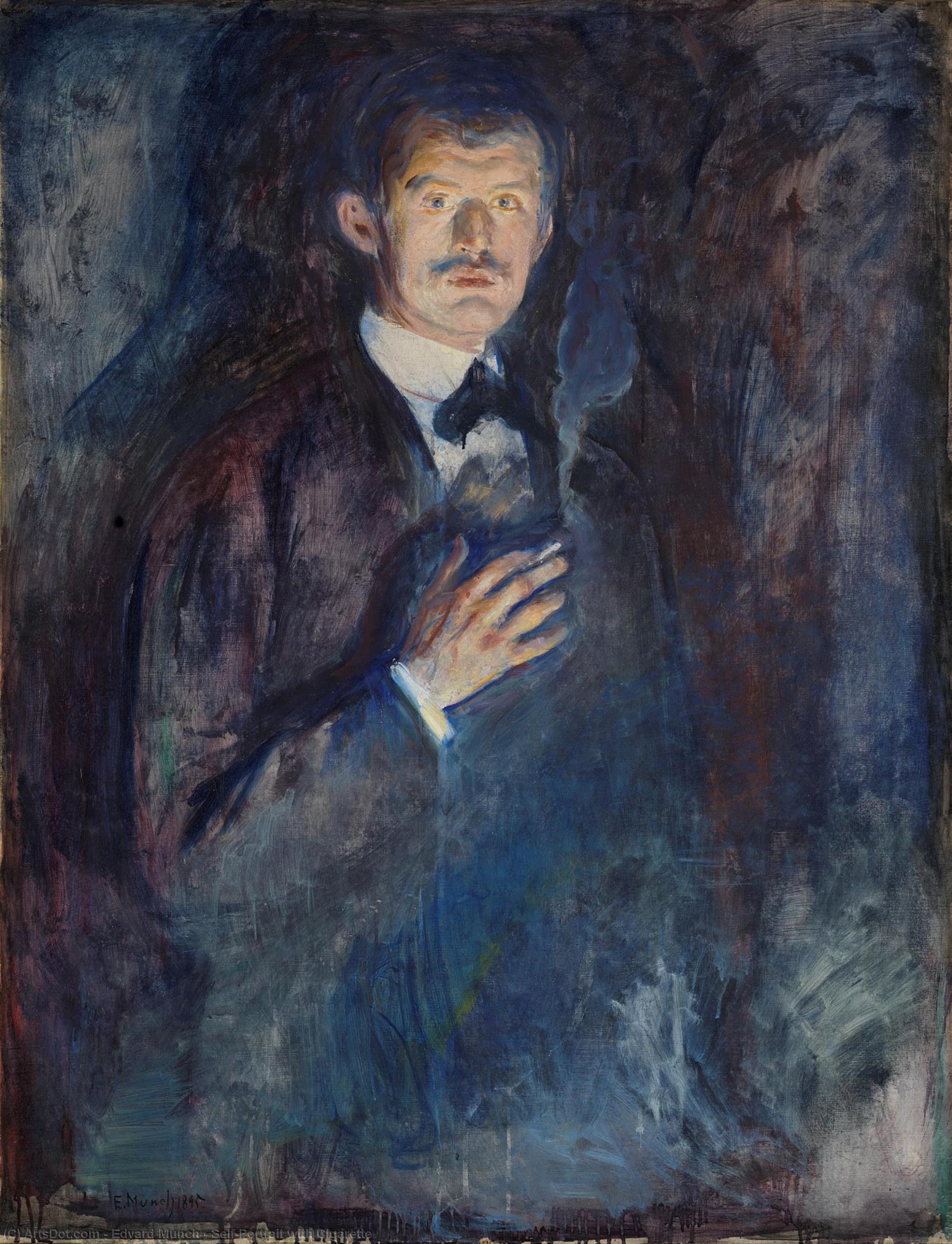
ედვარდ მუნკი, 1863 წელს ნორვეგიის მკაცრ ლანდშაფტებში დაბადებული მხატვარი, რომლის ნაწარმოებებიც თანสมัยობის ეპოქის შიშებისა და გრძნობრივი ტრაგიზმთან ასოცირდება. მისი ജീവിതს, რომელიც სიკვდილისა და მუდმივად არსებულ მელანქოლიასთან იყო განუყოფლად დაკავშირებული, უაღრესად გამოხატვითი ხელოვნების სათავეს წარმოადგენდა. ბავშვობიდანვე, დედისა და დას გარდაცვალების ტკივილით ნაჭრილი, მუნკმა სიკვდილის, ავადმყოფებისა და ადამიანური არსებობის ხაფითვის თემატიკას უაღრესი ძალით შეინახა. ეს გამოცდილებები 단순ი ბიოგრაფიული დეტალები არ იყო; ისინი მისი მხატვრული აღქმის საფუძველს წარმოადგენდნენ, შეუწყობდაუდებლად აძლიერებდნენ შიშების, მწუხარებისა და სურვილების შინაგანი სამყაროს შესწავლას. მამის მკაცრი რელიგიური შეხედულებები და მისივე 정신ის ავადმყოფობა კიდევ უფრო ღრმავებდა მუნკის სამყაროში არსებულ შიშს, რომელიც არა მხოლოდ მის προσωπულ ცხოვრებას, არამედ მისი ნახატების სიმბოლურ ენასაც ფორმირებდა. ის უბრალოდ სცენებს არ აღწერდა; ის შინაგანი მდგომარეობის გარეგნულ화를 ახდენდა, ფსიქოლოგიური ტკივილს ვიზუალურ სახედ თარგმნიდა.
გამოხატვის జన్ეზი: გავლენები და მხატვრული განვითარება
მუნკის მხატვრული მოგზაურობა დაიწყო კრისტიანის სამეფო ხელოვნების სკოლაში სწავლით, მაგრამ ჰანს იეგერის ბოჰემური წრეებთან და ნი힐ისტურ ფილოსოფიასთან შეხება მის 창의력을 ნამდვილად გაზარდა. იეგერმა მუნკის უწოდებია ტრადიციული აკადემიური სტილის εγκαταუყრება და საკუთარი სუბიექტური გამოცდილების სიღრმეებში ჩაღმავლება, კონცეფცია, რომელსაც მან "სულის მხატვრობა" უწოდა. ეს გადამწყვეტი მომენტი მუნკის გამორჩეული სტილის დასაწყისად marcó – ხასიათი сырой გრძნობებით, დისტორცირებული ფორმებით და ბუნებრივი წარმოების უარყოფითი მიდგომით. პარიზში მისი მოგზაურობები 1890-იან წლებში მასთან познакомил буржуазіული Пост-импрессионистური მოძრაობის გაღრმავებასთან, სადაც ის პოლ გოგენის, ვინცენტ ვან გოგისა და ანრი დე ტულუზ-ლოთრეკისგან 영향을 받았습니다. ფერის смелый გამოყენება, გამოხატვითი ხაზები და ემოციური ინტენსივობა მუნკის საკუთარი მხატვრული მიდგომების შესაბამისობაში იყო, რაც მას უნიკალური ვიზუალური ენა შექმნის საშუალებას აძლევდა, რომელიც უღრმეს ადამიანურ ემოციებს გადმოსცემდა. ბერლინში მისი დრო ასევე გადამწყვეტი აღმოჩნდა, რამაც მას პიესტა ავგუსტ სტრინდბერგთან познакомил, რომლის ფსიქოლოგიური თემების შესწავლამ კიდევ უფრო გაზარდა მუნკის მხატვრული კვლევები.
მნიშვნელოვანი ხედვები: ძირითადი ნაშრომები და მათი სიმბოლური მნიშვნელობა
მუნკის ოქროს საგანძირობა populated by images that have become deeply ingrained in the collective consciousness. The Scream, perhaps his most iconic work, transcends its status as a painting to become a universal symbol of existential angst. The swirling, fiery landscape and the figure’s contorted face embody a primal scream against the indifference of the universe. Madonna, a controversial and deeply personal piece, explores themes of sexuality, motherhood, and mortality with unsettling frankness. Recurring motifs like The Sick Child – inspired by the loss of his sister Sophie – serve as poignant reminders of Munch’s childhood trauma and the ever-present specter of death. Melancholy I & II, powerful depictions of profound sadness and isolation, reveal a vulnerability that is both deeply personal and universally relatable. These works aren't simply representations of external reality; they are windows into the artist’s soul, offering viewers an unflinching glimpse into the darkest corners of the human psyche. Munch didn’t aim to create beautiful images; he sought to convey truth – even if that truth was painful and unsettling.
მემკვიდრეობა: ისტორიული მნიშვნელობა და მდგრადი გავლენა
ედვარდ მუნკის წვლილი თანამედროვე ხელოვნებაში შეუდარებელია. ის გამოხატვითობის განვითარებაში გადამწყვეტი ფიგურაა, რომელიც გზას უთოფრობს იმ მხატვრებს, რომლებიც სუბიექტური ემოციების მნიშვნელობას წარმოადგენდნენ ობიექტური წარმოსადგენლად. მისი შიშველი შესწავლა უნივერსალური ადამიანური გამოცდილებებისა – სიყვარული, დაკარგვა, შფოთვა და სიკვდილი – დღესაც აინტერესებს მაყურებლებს, რაც მის ადგილს ხელოვნებაში ერთ-ერთ ყველაზე влиятельным და მდგრად ფიგურად ամրlaştırდა. მისი ნაშრომები მნიშვნელოვნად повлиял последующим поколениям художников, влияя на движения, такие как немецкий экспрессионизм и за его пределами. მან გაბედა სიკეთის მუქი მხარის αντιμετώებას, გამოწვევას უწოდებდა ხელოვნების ტრადიციულ აღქმებს. მაშინაც კი, როდესაც ის დიდება და აღიარება მიაღწია – რაც ოსლოს მუნკის Музеумის შექმნით დასრულდა – მისი προσωπული ცხოვრება არასტაბილური იყო, რომელიც 정신ის ავადმყოფების პერიოდებით იყო χαρακτηρισμένη. თუმცა, ყველაფრის მიუხედავად, ის 계속해서 δημιουργούσε, оставляя за собой работу, которая продолжает провоцировать, бросать вызов и вдохновлять. Munch’s legacy isn't just about the paintings themselves; it’s about the courage to confront the complexities of human existence and to translate those experiences into art that speaks to the deepest parts of our being.


 ნახვა ინტერьерში
 გადართვა ბეჭდვის რეჟიმზე
 გაგზავნა
 გაზიარება
 დეტალები
 გზამკვლევი

 ჩამოტვირთვა
 მსგავსები
 რენტგენოგრაფიული კვლევა
 სლაიდშოუ
 სტატისტიკა

 სრული ტექსტის ნახვა






































 მინის ჩარჩოს არჩევანი ხელმისაწვდომია მხოლოდ 110 სმ-მდე ზომისთვის


