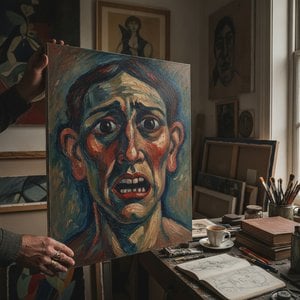
ედვარდ მუნკის ნაჭარმოები (1896), შემოქმედება ედვარდ მუნკი-ისგან; ხელოვანის მიერ შესრულებული ზეთისა და ტილოს რეპროდუქცია, ხელით ნათესრით
წინასწარი ნახვა AR წინასწარი ნახვა ბეჭდვის რეჟიმზე გადართვა გადართვა ციფრულ გამოსახულებაზე გაგზავნა
დეტალები გზამკვლევი ფავორიტებში დამატება ჩამოტვირთვა მსგავსები რენტგენოგრაფიული კვლევა სლაიდშოუ კითხვა-პასუხი პრეზენტაცია სტატისტიკა

ედვარდ მუნკის ნაჭარმოები ხელით ნათესლიანი ზეთის საღებავით შესრულებული რეპროდუქცია

ზომები
122.0 x 119.0 cm

ედვარდ მუნკის ნაჭარმოები – ტრაგიული სიმბოლური სურათი დისპოსესიაში და გრძნობრივ ტრაგიზმში. ფერების გამოყენება და ფორმების შეღრმავება გამოხატავს ძლიერი შინაგანი მელანქოლიას.

Expressionist pioneer Edvard Munch created the iconic The Scream. Discover his haunting masterpieces of anxiety and emotion today.

ზეთის საღებავით შესრულებული ხელით ნაკლნა

ტილოზე შესრულებული ფერწერიანი ზეთប្រდათი, თქვენთვის სასურველი ზომისა და ჩარჩოსთვის, ჩვენი ხელოვანების მიერ შეკვეთის საფუძველზე დამზადებული. ( ბეჭდვის რეჟიმზე გადართვა გადართვა ციფრულ გამოსახულებაზე)

Corner sample of the P118B picture frame: ღუმლში ჩამჭედი პოლისტიროლი, 5 cm wide and 3 cm thick
P118B ₾10
Corner sample of the P118H picture frame: ღუმლში ჩამჭედი პოლისტიროლი, 5 cm wide and 3 cm thick
P118H ₾10
Corner sample of the P118W picture frame: ღუმლში ჩამჭედი პოლისტიროლი, 5 cm wide and 3 cm thick
P118W ₾10
Corner sample of the P438Z picture frame: ღუმლში ჩამჭედი პოლისტიროლი, 5.5 cm wide and 3.5 cm thick
P438Z ₾10
Corner sample of the P508JH picture frame: ღუმლში ჩამჭედი პოლისტიროლი, 7 cm wide and 3.5 cm thick
P508JH ₾12
Corner sample of the P508YH picture frame: ღუმლში ჩამჭედი პოლისტიროლი, 7 cm wide and 3.5 cm thick
P508YH ₾12
Corner sample of the P805H picture frame: ღუმლში ჩამჭედი პოლისტიროლი, 5 cm wide and 3.5 cm thick
P805H ₾10
Corner sample of the P805Z picture frame: ღუმლში ჩამჭედი პოლისტიროლი, 5 cm wide and 3.5 cm thick
P805Z ₾10
Corner sample of the P919BZ picture frame: ღუმლში ჩამჭედი პოლისტიროლი, 7 cm wide and 3.5 cm thick
P919BZ ₾10
Corner sample of the P919G picture frame: ღუმლში ჩამჭედი პოლისტიროლი, 7 cm wide and 3.5 cm thick
P919G ₾10
Corner sample of the P919XJ picture frame: ღუმლში ჩამჭედი პოლისტიროლი, 7 cm wide and 3.5 cm thick
P919XJ ₾10
Corner sample of the P959ZH picture frame: ღუმლში ჩამჭედი პოლისტიროლი, 5 cm wide and 3 cm thick
P959ZH ₾10
Corner sample of the P968JZ picture frame: ღუმლში ჩამჭედი პოლისტიროლი, 6 cm wide and 4 cm thick
P968JZ ₾12
Corner sample of the W106C picture frame: მასიური ხე, 5 cm wide and 3 cm thick
W106C ₾8
Corner sample of the W218G picture frame: მასიური ხე, 5 cm wide and 3 cm thick
W218G ₾10
Corner sample of the W218JH picture frame: მასიური ხე, 5 cm wide and 3 cm thick
W218JH ₾8
Corner sample of the W218Y picture frame: მასიური ხე, 5 cm wide and 3 cm thick
W218Y ₾10
Corner sample of the W307PJ picture frame: მასიური ხე, 6 cm wide and 3 cm thick
W307PJ ₾10
Corner sample of the W316G picture frame: მასიური ხე, 6 cm wide and 3 cm thick
W316G ₾10
Corner sample of the W316PJ picture frame: მასიური ხე, 6 cm wide and 3 cm thick
W316PJ ₾8
Corner sample of the W316Y picture frame: მასიური ხე, 6 cm wide and 3 cm thick
W316Y ₾10
Corner sample of the W398PJ picture frame: მასიური ხე, 5 cm wide and 3 cm thick
W398PJ ₾8
Corner sample of the W4111J picture frame: მასიური ხე, 6.5 cm wide and 3.5 cm thick
W4111J ₾10
Corner sample of the W500HY picture frame: მასიური ხე, 7 cm wide and 5 cm thick
W500HY ₾15
Corner sample of the W500JH picture frame: მასიური ხე, 7 cm wide and 5 cm thick
W500JH ₾15
Corner sample of the W692G picture frame: მასიური ხე, 8 cm wide and 4 cm thick
W692G ₾12
Corner sample of the W849H picture frame: მასიური ხე, 5 cm wide and 3 cm thick
W849H ₾8
Corner sample of the W940BG picture frame: მასიური ხე, 7.5 cm wide and 4.5 cm thick
W940BG ₾15
Corner sample of the W953PJ picture frame: მასიური ხე, 6 cm wide and 3.5 cm thick
W953PJ ₾8

სტანდარტული
სასურველი ზომა
CM
INCH

აირჩიეთ ჩვენს მიერ წინასწარ განსაზღვრული ზომებიდან, რომლებიც ნაწარმოების ორიგინალურ პროპორციებს შეესაბამება.

სიგანე
სიმაღლე

შეიყვანეთ თქვენთვის საჭირო სიგანე და სიმაღლე, რათა ნახატი მოერგოს თქვენს ჩარჩოს ან კედელს. ვინაიდან ეს ნამუშევარი ხელით არის შესრულებული, სხვა ფორმის ზომის შემთხვევაში, მხატვარმა შესაძლოა სურათის გარშემო ოდნავ მეტი დატოვოს ან შეამციროს — არჩევანი თქვენზეა. დაწყებამდე, დასამტკიცებლად, ჩვენ გამოგიგზავნით ციფრულ მაკეტს. ამ გვერდზე ნაჩვენები სურათი არ ასახავს რეალურ შედეგს — რეალური სახე მხოლოდ მაკეტზე ჩანს.

რა შეიძლება შეიცვალოს: სახის ჩანაცვლება მომხმარებლის ფოტოთი; შინაური ცხოველის დამატება (მაგ., კატის ჩანაცვლება ძაღლით); ფონზე ფარული შეტყობინების დამატება; ფონის პეიზაჟის ან ელემენტების შეცვლა.
შეკვეთის შემდეგ, WahooArt.com გუნდი დაგიკავშირდებათ ელექტრონული ფოსტით ინსტრუქციებისთვის და გამოგიგზავნით წინასწარ ნახაზს (mockup).

მიწოდება მსოფლიო მასშტაბით -ში 3/4 კვირაში, სტანდარტული 5 კვირის ნაცვლად. (10 ნოემბერი). ხარისხზე კომპრომისის გაკეთება არ მოხდება.

უფასო ექსპრეს მიწოდება მთელ მსოფლიოში
მაღალი ხარისხის ტილოს ქსოვილი
ტრანსპორტირების სრული დაზღვევა
საბაჟო გადასახადების დაბრუნების გარანტია
ფერების სრული შესაბამისობის გარანტია
დაბრუნების 100-დღიანი პოლიტიკა (მხოლოდ დეფექტის შემთხვევაში)
100% თანხის სრული დაბრუნების გარანტია
ფასდაკლება დიდი რაოდენობით შეკვეთისას

ჯამური ღირებულება

₾ 706

ედვარდ მუნკის ნაჭარმოები

რეპროდუქციის მასალა

რეპროდუქციის ზომა

-

საბოლოო ღირებულება

₾ 706

ძირითადი ინფორმაცია

  • Medium: ლითოგრაფია
  • Location: ადლისბრუკის მუზეუმი
  • Year: 1896
  • Artistic style: სიმბოლური და გრძნობრივი სტილი
  • Influences: პიროვნული ტრაგია
  • Dimensions: 122 სმ х 119 სმ

ტესტი ხელოვნების შესახებ

თითოეულ კითხვაზე მხოლოდ ერთი სწორი პასუხია.

კითხვა 1:
რა არის მუნკის ნამუშევრის ძირითადი თემა?
კითხვა 2:
ედვარდ მუნკის ბავშვობის პერიოდი რა მნიშვნელოვანი შეცვლით არის გამოხატული ნამუშევრაში?
კითხვა 3:
როგორ შეფასებულია ნამუშევრის სურათის ფერები და კონტურები?
კითხვა 4:
რა არის მუნკის მხატვრობის ძირითადი მიზანი?
კითხვა 5:
როდის შეიქმნა ნამუშევარი ‘მშვილდი და დედის გარდაცვალება ტუბერკულოზით’?

A Haunting Echo of Loss: Edvard Munch’s ‘The Sick Child’

Edvard Munch’s 1896 painting, ‘The Sick Child,’ isn't merely a depiction of illness; it is a visceral embodiment of grief, memory, and the inescapable specter of mortality. It stands as a cornerstone of Expressionism, marking a decisive break from representational art and embracing subjective experience as its primary driver.

Subject Matter & Composition: Intimacy Amidst Decay

The artwork portrays two women – Sophie’s aunt Karen – in a dimly lit bedroom. Sophie, Munch's beloved sister, succumbed to tuberculosis years earlier, leaving an indelible mark on his psyche. Karen sits beside Sophie’s bed, offering a gesture of comfort and care—a fragile connection against the backdrop of impending doom. The room itself is sparsely furnished, dominated by muted tones that amplify the sense of isolation and vulnerability. Munch deliberately simplifies the composition, stripping away extraneous details to focus on the central relationship between the women and the overwhelming emotion radiating from their posture.

Expressionist Technique: Color & Distortion as Emotional Conveyors

Munch’s technique is characterized by a masterful use of color—primarily somber blacks and blues—which contributes significantly to the painting's oppressive atmosphere. However, it’s not merely color that communicates emotion; Munch employs distortion – subtly warping forms to heighten their expressive power. The woman lying down on the bed appears weakened, her body slumped against pillows, mirroring Sophie’s suffering. These distortions aren’t intended to deceive the eye but rather to bypass rational thought and tap directly into primal feelings of anxiety and despair.

Symbolism & Context: Trauma Revisited

‘The Sick Child’ is deeply rooted in Munch's biographical experience—the devastating loss of Sophie from tuberculosis. He revisited this subject repeatedly throughout his career, creating multiple versions – paintings, lithographs, and etchings – each an attempt to capture the elusive essence of his grief. The cup on the bedside table symbolizes nourishment and care, yet it’s juxtaposed with the bleakness of the room, highlighting the futility of attempting to ward off death's advance. Munch’s exploration of loss transcends a simple recounting of events; he delves into the psychological complexities of confronting mortality and grappling with unbearable sorrow.

Emotional Impact & Legacy: An Enduring Reflection on Grief

‘The Sick Child’ continues to resonate powerfully with viewers today because it confronts us head-on with universal themes of grief, vulnerability, and the inevitability of suffering. Munch's masterful portrayal captures the profound emotional impact of loss—the crushing weight of remembrance, the yearning for connection amidst despair—leaving an indelible mark on the viewer’s consciousness. It remains a seminal work in Expressionism, demonstrating the movement’s commitment to portraying inner turmoil with unflinching honesty and cementing Munch’s place as one of the most influential artists of his time.

კითხვები და პასუხები

შესაძლებელია თუ არა დამატებული რეალობის (AR) გამოყენება იმისათვის, რომ ედვარდ მუნკი-ის „ედვარდ მუნკის ნაჭარმოები“ ჩემს ოთახში ვნახო?

„ედვარდ მუნკის ნაჭარმოები“-ს აქვს augmentedly reality (AR) წინასწარი ნახვის ფუნქცია: ნამუშევრის AR წინასწარი ნახვა გვერდი მას თქვენს საკუთარ სივრცეში, თავსებად მოწყობილობაზე აჩვენებს.

რა ტექნიკითა და სტილით არის შესრულებული ედვარდ მუნკი-ის „ედვარდ მუნკის ნაჭარმოები“?

ედვარდ მუნკი-ის „ედვარდ მუნკის ნაჭარმოები“-ში აკრილი ტილოზე ტექნიკა და ექსპრესიონიზმი სტილი ერთიანდება. ტექნიკა და მიმდინარეობა აღწერს ნამუშევრის შესრულების მეთოდსა და სტილს.

შესაძლებელია თუ არა ედვარდ მუნკი-ის „ედვარდ მუნკის ნაჭარმოები“-ის რენტგენული გამოსახულების ნახვა?

ედვარდ მუნკი-ის „ედვარდ მუნკის ნაჭარმოები“-ის რენტგენოგრაფიული კვლევა გვერდი წარმოადგენს ინტერაქტიულ გამსინჯებელს, რომელიც საშუალებას გაძლევთ გადაიკვლიოთ ნამუშევრის თერთმეტი ოპტიკური ფენა, მათ შორის რენტგენოსებრი ხედიც.


აღმოაჩინეთ ხელოვნების ნაწარმოებები თემების, სტილისა და მახასიათებლების მიხედვით დაჯგუფებული.