


მუზეუმის დონის ჟიკლე ან ტილოზე ბეჭდვა სწრაფი წარმოებისა და დასრულების მოქნილი ვარიანტებით. ( შეიძინეთ ხელით შესრულებული ნახატი გადართვა ციფრულ გამოსახულებაზე)





























აირჩიეთ ჩვენს მიერ წინასწარ განსაზღვრული ზომებიდან, რომლებიც ნაწარმოების ორიგინალურ პროპორციებს შეესაბამება.

შეიყვანეთ თქვენთვის საჭირო სიგანე და სიმაღლე, რათა გამოსახულებამ თქვენს ჩარჩოს ან კედელს ზუსტად მოერგოს. ბეჭდვისას შესაძლებელია მხოლოდ მისი შემცირება და არა გაზრდა, ამიტომ სხვა ფორმის ზომის შემთხვევაში სურათი ნაწილობრივ იკარგება. სანამ რაიმეს დაბეჭდავთ, ჩვენ გამოგიგზავნით ციფრულ მაკეტს დასდასტურებლად. ამ გვერდზე ნაჩვენები სურათი არ ასახავს რეალურ ჭრას — ამას მხოლოდ მაკეტი გვიჩვენებს.
მიწოდება მთელ მსოფლიოში () 2 კვირაში, სტანდარტული 4/5 კვირის ნაცვლად. (10 ნოემბერი)
ავტოპორტრეტი
რეპროდუქციის ზომა
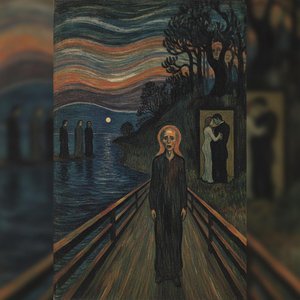
In his 1882 Self-Portrait, Edvard Munch offers far more than a mere reflection of his physical likeness; he provides a profound window into the psychological complexities that would eventually define his artistic legacy. At just eighteen years old, while studying at the Royal School of Drawing in Kristiania, Munch captured himself in a strikingly candid pose against a muted, somber backdrop of ochre and grey. The composition is intimate and direct, with the artist's gaze confronting the viewer with an unsettling honesty. This piercing look anticipates the raw, emotional intensity that would later make him a pioneer of Expressionism, transforming the canvas from a simple record of appearance into a conduit for inner turmoil.
The technique employed in this early work reveals a fascinating tension between academic training and burgeoning personal expression. Executed in oil on board, the painting utilizes a fine brush to render certain details with meticulous care—such as the individual strands of hair and the subtle folds of the ear—yet it simultaneously embraces a departure from strict realism. Munch employs loose brushstrokes and flattened planes that prioritize emotional resonance over photographic accuracy. The face is masterfully modeled through the interplay of light and shadow, creating a sense of depth that makes the subject feel palpably present, even as the surrounding tones remain cool and dark.
To truly appreciate this portrait, one must consider the heavy historical context that shaped Munch’s vision. Created during a period of intense personal upheaval following the tragic deaths of his mother and sister, the painting is steeped in a visceral awareness of mortality and loss. This early encounter with grief instilled in him an existential dread that would permeate his entire oeuvre. The symbolism within the work is subtle yet powerful; the pallid complexion of his face serves as a deliberate exaggeration to symbolize vulnerability and fragility, while his dark, slightly off-center eyes convey a deep sense of melancholy and introspection.
For the discerning collector or interior designer, a reproduction of this Self-Portrait offers an opportunity to invite a piece of art history into a contemporary space. It is a work that demands attention, not through loud colors, but through its quiet, haunting strength. The nuanced tonal palette and the textured quality of the oil on board make it a sophisticated addition to any curated collection, providing a focal point that encourages deep contemplation. Owning such a piece means engaging with the very beginnings of a movement—a moment where an ambitious young artist first began to translate his internal psychological landscape into a visual language that continues to resonate with audiences across the world.
ედვარდ მუნკი-მა შექმნა „ავტოპორტრეტი“ 1882 წელს.
ედვარდ მუნკი-ის „ავტოპორტრეტი“-ის სინათლის სიმკვეთრე მუქი-ია. სიმკვეთრე აღწერს, თუ რამდენ სინათლეს ასახავს ფერები.
ედვარდ მუნკი-ის „ავტოპორტრეტი“-ის გზამკვლევი გვერდი გთავაზობთ ბეჭდად ამოსაღებ ორგვერდიან ფაქტების ფურცელს: ნამუშევარს თავისი საიდენტიფიკაციო ცხრილით, დეკადების სარტყელს, რომელიც მას ხელოვანის სიცოცხლის პერიოდს უკავშირებს, ხელოვანის სხვა ნამუშევრებს, გაზომილ ფერల პალიტრას და ასატყვევ ციტატებს ოთხი სხვადასხვა სტილით.

Explore the evolution of identity from Dürer to Tschabalala Self through expert analysis. Trace the history of the gaze with us.

Journey through art history with 10 legendary lithography masterpieces that redefined printmaking. From iconic movements to timeless techniques, explore the stories behind these museum-quality works and find perfect art reproductions for your decor. Discover all masterpieces on WahooArt.com

Explore the profound psychological depths of Symbolic Expressionism. From Edvard Munch’s visceral landscapes to the emotive power of color, discover how art unveils hidden human emotions through a sophisticated lens of art history and mastery.
Journey through the raw emotion of Expressionism with our curated guide to Edvard Munch's top 25 masterpieces. Explore the stories behind his most iconic works and find museum-quality art reproductions for your collection. Discover all masterpieces on WahooArt.com.

Journey through history with 10 legendary oil on board masterpieces. Explore the stories, techniques, and movements behind these iconic works. Find museum-quality art reproductions and curated decor inspiration at WahooArt.com. Discover all masterpieces on WahooArt.com.
 წინასწარი ნახვა
 გაგზავნა
 გაზიარება
 დეტალები
 გზამკვლევი

 ჩამოტვირთვა
 მსგავსები
 რენტგენოგრაფიული კვლევა
 სლაიდშოუ
 კითხვა-პასუხი
 სტატისტიკა


 გააგრძელეთ კითხვა









 მინის ჩარჩოს არჩევანი შესაძლებელია მხოლოდ 110 სმ-მდე ზომისთვის


