პარიზის მნევანე: ედუარ მანეს ბίος და ხელოვნება
ედუარ მანე, რომელიც 1832 წელს პარიზში დაიბადა, კომფორტულ буржуазული ოჯახიდან էր. მისი მამა, სახელოვანი მოსამართლე, ვაჟისთვის სამართლებრივ ან საზღვაო კარიერას უნახავდა – ღირსეული პროფესიები, რომლებიც შეესაბამებოდა მათ სოციალურ სტატუსს. თუმცა, ახალგაზრდობაშივე მანეს გული ხელოვნებას ეკუთვნოდა. თერთმეტ წლის ასაკში მან ფორმალური გაკვეთილები დაიწყო და, მიუხედავად იმისა, რომ ცოტა ხნით თომას კუტურის სახელოსნოში სწავლობდა, მალევე აღმოაჩინა, რომ კუტურთს მკაცრი მეთოდები მასზე ზედმეტი იყო. ეს ადრეული წინააღმდეგობა მთელი ცხოვრების განმავლობაში შეეცადა მხატვრულ ტრადიციებს დაეღიავებოდა. მანე არ თვლიდა საკმარისად წარსულის უბრალოდ გამეორებას; ის ცოცხლად, თანაც ზოგჯერ აშკარად არეულ现实ების აღქმას ისურვებდა თანამედროვე პარიზული ცხოვრების. იგი ხშირად სტუმრობდა ლუვრს, არა მხოლოდ ძველი დიდოსტატების კოპირებისთვის, არამედ მათი ტექნიკის შესწავლისთვისაც, ուսումնասիրել როგორ ქმნიდა სინათლე და ნიუანსი ფორმას და როგორ აღძრავდა გრძნობებს. თუმცა, მხატვრული დინებების ცვლილება, განსაკუთრებით გუსტავ კორბეს მიერ пропагандируемый რეალიზმი, სრულიად აგორებულს მოქცეოდა მანეს შემოქმედებითი გზისკენ. კორბეს ყოველდღიური ცხოვრების გამოსაჩაღებლად идеалization-ის უარის განცხადება βαθιά დაავალა მანეს, გაათავისუფლეს ისტორიული ან μυθολογικός თემებისგან.
ტრადიციასთან ბროკენ: სკანდალი და ინოვაცია
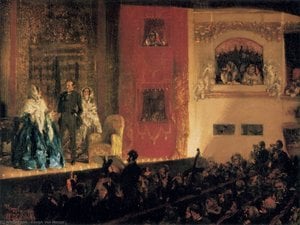
1860-იანი წლები პარიზში მხატვრული ფერხულობის პერიოდი იყო, და მანე თავად აღმოჩნდა ამ ყველაფრის ცენტრში. იაპონური гравюры – *უკiyo-e*-ს გამოჩენა βαθιά επηρέασε მისი ესთეტიკური გრძნობებს. იგი იზიდავოდა მათი сплюснутые პერსპექტივებით, смелыми კომპოзиციებით და striking ფერების გამოყენებით, რაც გახდება მისი სტილის χαρακτηგული ნიშანი. ეს 영향력, კომბინირებული აკადემიური полированности-ის გაზრდილ უარყოფასთან, გამოიწვა έργები, რომელმაც шокировал და скандализировал პარიზულ სამხატვრო სამყაროს.
Le Déjeuner sur l'herbe (The Luncheon on the Grass), რომელიც 1863 წელს Salon des Refusés-ში იყო წარმოდგენილი – გამოფენა, სადაც განთავსებული იყო ოფიციალური Salon-ისგან తిరస్కరించబడిన έργები – გახდა პროტესტის კოშერი. გამოსახულება, რომელშიც головоломная ქალი მშვიდად отдыхает პიკნიკის დროს ორი полностью одетых მამაკაცთან ერთად, არ იყო కేవలం головоломной შესახებ; ეს იყო именно того, როგორ წარმოდგენილი იყო головоломность. მანეს ფიგურებს не было идеализированных форм და μυθολογικός კონტექსტი традиционных головоломностей. ისინი были безусловно современными, сталкивая зрителя с тревожной прямотой. Скандал вокруг
Le Déjeuner усилился с его шедевром 1865 года,
Olympia. Эта картина, сознательное переосмысление *Венеры Урбинской* Тициана, представила современную проститутку, смело глядящую на зрителя. Неумолимый реализм и провокационная тема вызвали широкое осуждение. Критики обвиняли Мане в вульгарности и художественной некомпетентности, но под возмущением лежало признание того, что он фундаментально менял язык живописи.
გადასახლება Импрессионизма: სინათლე, кисть და თანამედროვე ცხოვრება
მიუხედავად იმისა, რომ მანე никогда полностью не принял ярлык «импрессионист», его влияние на движение было неоспоримым. Он разделял их отказ от академических конвенций и их приверженность захвату мимолетных эффектов света и атмосферы. Он выставлялся вместе с Моне, Ренуаром, Дегасом и другими на независимых выставках импрессионистов, что укрепило его позицию как ключевой фигуры в авангарде. Техника Мане развивалась к более свободной мазке, отдавая приоритет впечатлению формы над точной деталью. Он экспериментировал с цветом, часто используя резкие контрасты для создания драматических эффектов. Помимо скандальных головоломостей, Мане исследовал широкий спектр тем: портреты – включая поразительные изображения своей жены Suzanne и коллеги-художника Эмиля Золы; сцены парижской ночной жизни, такие как
A Bar at the Folies-Bergère, которая мастерски захватывает отчуждение и зрелищность современной городской жизни; и интимные домашние сцены. Он не просто документировал эти темы; он подвергал их сомнению, ставя под вопрос общественные нормы и бросая вызов традиционным представлениям о красоте.
Наследие и долгосрочное влияние
Преждевременная смерть Эдуарда Мане в 1883 году от сифилиса прервала карьеру, которая уже необратимо изменила ход истории искусства. Хотя его репутация значительно возросла после его смерти, его влияние было немедленно почувствовано молодыми художниками, которые признали его освободителем. Он разрушил барьеры, бросив вызов традиционным представлениям о предмете, технике и цели искусства.
- Его акцент на захвате современной жизни проложил путь для импрессионизма и постимпрессионизма.
- Его инновационное использование мазка и цвета повлияло на поколения художников.
- Его готовность сталкиваться с неудобными истинами о обществе заставляла зрителей подвергать сомнению свои собственные предположения.
Картины Мане продолжают резонировать сегодня не только своей эстетической красотой, но и своей непреходящей актуальностью. Он остается ключевой фигурой в переходе от реализма к импрессионизму и по праву прославляется как один из основателей современного искусства – парижский бунтарь, который осмелился изобразить мир таким, каким он его видел, со всеми его сложностями и противоречиями. Его работа служит мощным напоминанием о том, что истинные художественные инновации часто достигаются ценой бросания вызова устоявшимся нормам и принятия неудобных истин нашего времени.



 წინასწარი ნახვა
 გადართვა ბეჭდზე
 გაგზავნა
 გაზიარება
 დეტალები

 ჩამოტვირთვა
 მსგავსები
 რენტგენოგრაფიული კვლევა
 სლაიდშოუ
 სტატისტიკა


 გადასართად დაწვრილებით ნახეთ






































 მინის ჩარჩოს არჩევანი ხელმისაწვდომია მხოლოდ 110 სმ-ზე ნაკლები ზომისთვის