უფასო ხელოვნების კონსულტაცია

x
სურათის შეძენა სურათის შეძენაგამოსახულების შეძენა გამოსახულების შეძენა გაგზავნაგაგზავნა
დეტალებიდეტალები დამატება ფავორიტებში დამატება ფავორიტებში ჩამოტვირთვაჩამოტვირთვა მსგავსებიმსგავსები რენტგენოგრაფიული კვლევარენტგენოგრაფიული კვლევა სლაიდშოუსლაიდშოუ

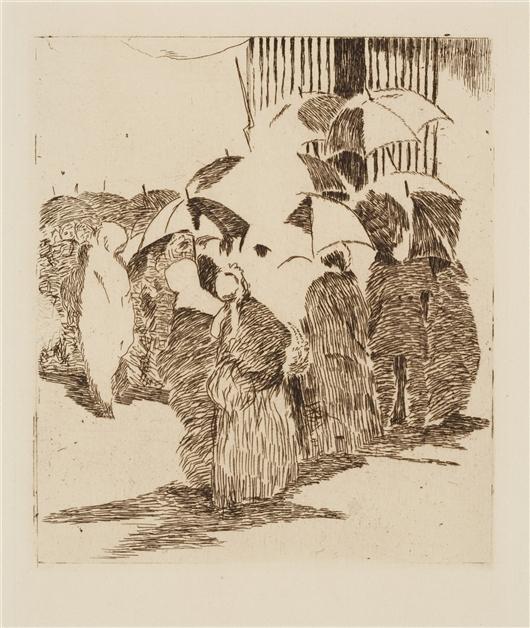
La queue devant la boucherie

Édouard Manet's 'La queue devant la boucherie' captures a rainy Parisian street scene with umbrellas and a horse, reflecting the artist’s modern realism & urban observations.

აღმოაჩინეთ ედუარ მანე (1832-1883), რეალიზმსა და იმპრესიონიზმს შორის ხიდი! მისი გამორჩეული ტილოები, როგორიცაა "საზაფხოვო სადილისას მდელოს", "ოლიმპია" და სხვა, ატარებენ თანამედროვე ხელოვნების განმაცდენელ გავლენას.

გიკლე / ხელოვნების პრინტი

მუზეუმის დონის ჟიკლე ან ტილოზე ბეჭდვა სწრაფი წარმოებისა და დასრულების მოქნილი ვარიანტებით.

Standard
custom
CM
INCH

აირჩიეთ ჩვენს მიერ წინასწარ განსაზღვრული ზომებიდან, რომლებიც ნაწარმოების ორიგინალურ პროპორციებს შეესაბამება.

სიგანე
სიმაღლე

თქვენ შეგიძლიათ მიუთითოთ საკუთარი ზომები კონკრეტული ჩარჩოსთვის ან სივრცისთვის მოსარგებლებლად. თუ თქვენ მიერ არჩეული ზომა არ შეესაბამება ორიგინალი გამოსახულების პროპორციებს, ჩვენ ან დავჭრით ნამუშევარს, ან გავაფართოვებთ გამოსახულებას სარკული ან ერთფეროვანი კიდეებით. წარმოების დაწყებამდე თქვენს დასამტკიცებლად გამოგეგზავნებათ ციფრული მაკეტი.
გთხოვთ, გაითვალისწინოთ, რომ ეკრანზე ნაჩვენები წინასწარი ნახვა არ ასახავს რეალურ ჭრას ან გაფართოებას. მხოლოდ მაკეტზე იქნება ზუსტად წარმოდგენილი საბოლოო კომპოზიცია.
მიუხედავად იმისა, რომ ინდივიდუალური ზომები ხელმისაწვდომია, ორიგინალური პროპორციების შესანარჩუნებლად გირჩევთ, აირჩიოთ ზომა წინასწარ განსაზღვრული სიისგან.

მიწოდება მთელ მსოფლიოში () 2 კვირაში, სტანდარტული 4/5 კვირის ნაცვლად. (3 ივლისი)

why_choose_icon
უფასო ექსპრეს მიწოდება მთელ მსოფლიოში
why_choose_icon
საბამად მაღალი ხარისხის ტილო
why_choose_icon
სრული ტრანსპორტირების დაზღვევა
why_choose_icon
საბაჟო გადასახადების დაბრუნების გარანტია
why_choose_icon
ფერების სრული შესაბამისობის გარანტია
why_choose_icon
60-დღიანი დაბრუნების პოლიტიკა (მხოლოდ დეფექტის შემთხვევაში)
why_choose_icon
100% თანხის დაბრუნების გარანტია
why_choose_icon
ფასდაკლება დიდი რაოდენობით შეკვეთისას

ჯამური ღირებულება

-

reproduction

La queue devant la boucherie

გიკლე / ხელოვნების პრინტი

რეკლამაციის ზომა

-

საბოლოო ფასი

-

მოკლე ინფორმაცია

  • Notable elements: Rainy street scene
  • Dimensions: 23.5 x 15.9 cm (plate)
  • Influences:
    • Caravaggio
    • Velázquez
  • Year: 1870-71
  • Artist: Édouard Manet
  • Title: La queue devant la boucherie
  • Movement: Realism/Impressionism

ხელოვნების ტესტი

თითოეულ კითხვაზე მხოლოდ ერთი სწორი პასუხია.

კითხვა 1:
What is the primary subject depicted in Édouard Manet’s ‘La queue devant la boucherie’?
კითხვა 2:
The drawing ‘La queue devant la boucherie’ primarily reflects which artistic movement?
კითხვა 3:
What is a key characteristic of Manet’s technique evident in this work?
კითხვა 4:
Considering the context of Manet’s career, what was a significant challenge he faced as an artist?
კითხვა 5:
The presence of a horse in ‘La queue devant la boucherie’ likely contributes to which aspect of the scene?

საკლექციო აღწერა

A Rainy Streetscape: Manet’s ‘La Queue devant la Boucherie’

Édouard Manet's “La queue devant la boucherie” – literally translated as "The Line in Front of the Butcher Shop" – isn’t a grand, sweeping historical painting; it’s a remarkably intimate and unsettling snapshot of Parisian urban life. Completed around 1870-71, this etching, rendered in stark black ink on Japon paper, captures a fleeting moment of everyday existence, revealing a quiet drama within the commonplace. It's a work that speaks volumes about Manet’s revolutionary approach to painting – his focus on capturing modern reality rather than adhering to academic tradition – and his keen eye for observing the subtle nuances of human interaction. The scene unfolds in a perpetually rainy street, dominated by a long queue of people patiently waiting outside a butcher shop. The composition is deliberately unheroic; there are no grand gestures or dramatic figures, only ordinary individuals caught in the mundane act of procuring their daily sustenance. This deliberate lack of spectacle was central to Manet’s artistic vision – he sought to portray life as it *was*, not as it should be depicted according to established norms.

Technique and Style: A Masterclass in Line and Tone

Manet's skill lies profoundly in his masterful manipulation of line and tone. The etching is executed with a remarkable economy of lines, each stroke carefully considered to create both form and atmosphere. Notice how the rain itself is suggested through delicate, broken lines that ripple across the paper, conveying not just moisture but also a sense of unease and dampness. The figures are rendered with varying degrees of detail – some are sharply defined, while others are sketched more lightly, creating an illusion of depth and movement within the crowded scene. The use of cross-hatching is particularly effective in building up areas of shadow, adding volume to the clothing and suggesting the weight of the rain. Unlike the smooth, polished surfaces favored by academic painters, Manet’s lines retain a raw energy, reflecting the gritty reality he sought to portray. This technique, combined with his deliberate choice of monochrome, contributes significantly to the etching's powerful sense of immediacy and realism.

Historical Context: Modernity and Parisian Life

“La queue devant la boucherie” emerged during a period of profound social and artistic change in Paris. The city was rapidly industrializing, leading to overcrowding, poverty, and a growing sense of alienation among its inhabitants. Manet, along with other artists like Monet and Renoir, were reacting against the prevailing academic style, which largely ignored these realities. They sought to depict modern life – the streets, the people, the everyday struggles – in a way that was both honest and emotionally resonant. This etching reflects the burgeoning interest in urban landscapes and the lives of ordinary Parisians during this period. It’s not simply a depiction of a butcher shop; it's a commentary on the social conditions of the time, highlighting the long wait, the shared experience of hardship, and the anonymity of city life. The presence of the horse, seemingly oblivious to the queue, further emphasizes the detachment between humanity and the animal world – a recurring theme in Manet’s work.

Symbolism and Emotional Resonance: A Quiet Discomfort

Despite its apparent simplicity, “La queue devant la boucherie” is rich in symbolic meaning. The long line of people waiting patiently suggests a shared sense of resignation and endurance. There's no visible leadership or authority figure to guide them; they are simply caught up in the relentless flow of urban life. The rain itself can be interpreted as a metaphor for hardship, uncertainty, and the pervasive dampness of modern existence. The faces of the individuals – largely obscured by shadow – convey a subtle sense of weariness and detachment. There’s no overt expression of anger or frustration; instead, there's a quiet discomfort, a feeling of being trapped within a system that offers little solace. Manet doesn’t offer easy answers or moral judgments; he simply presents the scene as it is, inviting the viewer to contemplate its implications and draw their own conclusions. The work evokes a powerful sense of empathy for these anonymous figures, reminding us of our shared vulnerability in the face of urban challenges.

Collecting a Reproduction: Bringing Manet’s Vision Home

WahooArt offers meticulously crafted hand-painted reproductions of “La queue devant la boucherie,” allowing you to bring this iconic work into your home or office. Our artists replicate Manet's masterful use of line and tone, capturing the etching’s atmospheric depth and emotional resonance with exceptional detail. Whether you are an art enthusiast, a collector seeking to expand your collection, or simply someone drawn to Manet’s revolutionary vision, our reproductions provide a beautiful and authentic representation of this seminal work. Each reproduction is created on high-quality archival paper, ensuring its longevity and preserving the artwork's rich textures and subtle nuances for generations to come. Explore our selection today and experience the enduring power of Manet’s “La queue devant la boucherie.”

დაკავშირებული ნამუშევრები


მხატვრის ბიოგრაფია

პარიზის მნევანე: ედუარ მანეს ბίος და ხელოვნება

ედუარ მანე, რომელიც 1832 წელს პარიზში დაიბადა, კომფორტულ буржуазული ოჯახიდან էր. მისი მამა, სახელოვანი მოსამართლე, ვაჟისთვის სამართლებრივ ან საზღვაო კარიერას უნახავდა – ღირსეული პროფესიები, რომლებიც შეესაბამებოდა მათ სოციალურ სტატუსს. თუმცა, ახალგაზრდობაშივე მანეს გული ხელოვნებას ეკუთვნოდა. თერთმეტ წლის ასაკში მან ფორმალური გაკვეთილები დაიწყო და, მიუხედავად იმისა, რომ ცოტა ხნით თომას კუტურის სახელოსნოში სწავლობდა, მალევე აღმოაჩინა, რომ კუტურთს მკაცრი მეთოდები მასზე ზედმეტი იყო. ეს ადრეული წინააღმდეგობა მთელი ცხოვრების განმავლობაში შეეცადა მხატვრულ ტრადიციებს დაეღიავებოდა. მანე არ თვლიდა საკმარისად წარსულის უბრალოდ გამეორებას; ის ცოცხლად, თანაც ზოგჯერ აშკარად არეულ现实ების აღქმას ისურვებდა თანამედროვე პარიზული ცხოვრების. იგი ხშირად სტუმრობდა ლუვრს, არა მხოლოდ ძველი დიდოსტატების კოპირებისთვის, არამედ მათი ტექნიკის შესწავლისთვისაც, ուսումնասիրել როგორ ქმნიდა სინათლე და ნიუანსი ფორმას და როგორ აღძრავდა გრძნობებს. თუმცა, მხატვრული დინებების ცვლილება, განსაკუთრებით გუსტავ კორბეს მიერ пропагандируемый რეალიზმი, სრულიად აგორებულს მოქცეოდა მანეს შემოქმედებითი გზისკენ. კორბეს ყოველდღიური ცხოვრების გამოსაჩაღებლად идеалization-ის უარის განცხადება βαθιά დაავალა მანეს, გაათავისუფლეს ისტორიული ან μυθολογικός თემებისგან.

ტრადიციასთან ბროკენ: სკანდალი და ინოვაცია

1860-იანი წლები პარიზში მხატვრული ფერხულობის პერიოდი იყო, და მანე თავად აღმოჩნდა ამ ყველაფრის ცენტრში. იაპონური гравюры – *უკiyo-e*-ს გამოჩენა βαθιά επηρέασε მისი ესთეტიკური გრძნობებს. იგი იზიდავოდა მათი сплюснутые პერსპექტივებით, смелыми კომპოзиციებით და striking ფერების გამოყენებით, რაც გახდება მისი სტილის χαρακτηგული ნიშანი. ეს 영향력, კომბინირებული აკადემიური полированности-ის გაზრდილ უარყოფასთან, გამოიწვა έργები, რომელმაც шокировал და скандализировал პარიზულ სამხატვრო სამყაროს. Le Déjeuner sur l'herbe (The Luncheon on the Grass), რომელიც 1863 წელს Salon des Refusés-ში იყო წარმოდგენილი – გამოფენა, სადაც განთავსებული იყო ოფიციალური Salon-ისგან తిరస్కరించబడిన έργები – გახდა პროტესტის კოშერი. გამოსახულება, რომელშიც головоломная ქალი მშვიდად отдыхает პიკნიკის დროს ორი полностью одетых მამაკაცთან ერთად, არ იყო కేవలం головоломной შესახებ; ეს იყო именно того, როგორ წარმოდგენილი იყო головоломность. მანეს ფიგურებს не было идеализированных форм და μυθολογικός კონტექსტი традиционных головоломностей. ისინი были безусловно современными, сталкивая зрителя с тревожной прямотой. Скандал вокруг Le Déjeuner усилился с его шедевром 1865 года, Olympia. Эта картина, сознательное переосмысление *Венеры Урбинской* Тициана, представила современную проститутку, смело глядящую на зрителя. Неумолимый реализм и провокационная тема вызвали широкое осуждение. Критики обвиняли Мане в вульгарности и художественной некомпетентности, но под возмущением лежало признание того, что он фундаментально менял язык живописи.

გადასახლება Импрессионизма: სინათლე, кисть და თანამედროვე ცხოვრება

მიუხედავად იმისა, რომ მანე никогда полностью не принял ярлык «импрессионист», его влияние на движение было неоспоримым. Он разделял их отказ от академических конвенций и их приверженность захвату мимолетных эффектов света и атмосферы. Он выставлялся вместе с Моне, Ренуаром, Дегасом и другими на независимых выставках импрессионистов, что укрепило его позицию как ключевой фигуры в авангарде. Техника Мане развивалась к более свободной мазке, отдавая приоритет впечатлению формы над точной деталью. Он экспериментировал с цветом, часто используя резкие контрасты для создания драматических эффектов. Помимо скандальных головоломостей, Мане исследовал широкий спектр тем: портреты – включая поразительные изображения своей жены Suzanne и коллеги-художника Эмиля Золы; сцены парижской ночной жизни, такие как A Bar at the Folies-Bergère, которая мастерски захватывает отчуждение и зрелищность современной городской жизни; и интимные домашние сцены. Он не просто документировал эти темы; он подвергал их сомнению, ставя под вопрос общественные нормы и бросая вызов традиционным представлениям о красоте.

Наследие и долгосрочное влияние

Преждевременная смерть Эдуарда Мане в 1883 году от сифилиса прервала карьеру, которая уже необратимо изменила ход истории искусства. Хотя его репутация значительно возросла после его смерти, его влияние было немедленно почувствовано молодыми художниками, которые признали его освободителем. Он разрушил барьеры, бросив вызов традиционным представлениям о предмете, технике и цели искусства.
  • Его акцент на захвате современной жизни проложил путь для импрессионизма и постимпрессионизма.
  • Его инновационное использование мазка и цвета повлияло на поколения художников.
  • Его готовность сталкиваться с неудобными истинами о обществе заставляла зрителей подвергать сомнению свои собственные предположения.
Картины Мане продолжают резонировать сегодня не только своей эстетической красотой, но и своей непреходящей актуальностью. Он остается ключевой фигурой в переходе от реализма к импрессионизму и по праву прославляется как один из основателей современного искусства – парижский бунтарь, который осмелился изобразить мир таким, каким он его видел, со всеми его сложностями и противоречиями. Его работа служит мощным напоминанием о том, что истинные художественные инновации часто достигаются ценой бросания вызова устоявшимся нормам и принятия неудобных истин нашего времени.
ედუარ მანე

ედუარ მანე

1832 - 1883 , საქართველო

მოკლე ინფორმაცია

  • Artistic Movement Or Style: რეალიზმი, იმპრესიონიზმი
  • Artists Or Movements Influenced By This Artist:
    • კლოედ მონე
    • პიერ-ოგუსტ რენუარი
    • ედგარ დეგა
    • იმპრესიონიზმი
  • Artists Who Influenced This Artist:
    • კარავაჯო
    • დიეგო ველაზქესი
    • გუსტავე კორბე
  • Date Of Birth: 1832 წლის 23 იანვარი
  • Date Of Death: 1883 წლის 30 აპრილი
  • Full Name: ედუარ მანე
  • Nationality: ფრანგი
  • Notable Artworks:
    • Le Déjeuner sur l'herbe
    • Olympia
    • A Bar at the Folies-Bergère
  • Place Of Birth: პარიზი, საფრანგეთი
აღმოაჩინეთ ხელოვნების ნაწარმოებები თემების, სტილისა და მახასიათებლების მიხედვით დაჯგუფებული.