


ამ გვერდზე წარმოდგენილი ნამუშევარი დაცულია საავტორო უფლების შესახებ კანონმდებლობით, რაც იმას ნიშნავს, რომ ჩვენ არ გვაქვს მისი იდენტური რეპროდუქციის შექმნის ან გაყიდვის სამართლებრივი უფლება. აღნიშნული დაცვა უზრუნველყოფილია ისეთი საერთაშორისო შეთანხმებებით, როგორიცაა ბერნის კონვენცია და ეროვნული კანონმდებლობით, მათ შორის იმ კანონებით, რომლებიც დეტალურად არის გაწერილი აშშ-ის საავტორო უფლების შესახებ კანონი - თავი 17.
ეს მეთოდი სრულად შეესაბამება საავტორო უფლებების რეგულაციებს, რადგან ის არ გულისხმობს დაცული ნამუშევრის კოპირებას ან დუბლირებას. ამგვარად, ეს წარმოადგენს შემოქმედებით რეინტერპრეტაციას — ახალ ნახატს, რომელიც შთაგონებითაა განპირობებული ორიგინალით, თუმცა არ არის მის იდენტურ ასლს.
მუზეუმის დონის ჟიკლე ან ტილოზე ბეჭდვა სწრაფი წარმოებისა და დასრულების მოქნილი ვარიანტებით. ( შეიძინეთ ხელით შესრულებული ნახატი გადართვა ციფრულ გამოსახულებაზე)





























აირჩიეთ ჩვენს მიერ წინასწარ განსაზღვრული ზომებიდან, რომლებიც ნაწარმოების ორიგინალურ პროპორციებს შეესაბამება.

შეიყვანეთ თქვენთვის საჭირო სიგანე და სიმაღლე, რათა გამოსახულებამ თქვენს ჩარჩოს ან კედელს ზუსტად მოერგოს. ბეჭდვისას შესაძლებელია მხოლოდ მისი შემცირება და არა გაზრდა, ამიტომ სხვა ფორმის ზომის შემთხვევაში სურათი ნაწილობრივ იკარგება. სანამ რაიმეს დაბეჭდავთ, ჩვენ გამოგიგზავნით ციფრულ მაკეტს დასდასტურებლად. ამ გვერდზე ნაჩვენები სურათი არ ასახავს რეალურ ჭრას — ამას მხოლოდ მაკეტი გვიჩვენებს.
მიწოდება მთელ მსოფლიოში () 2 კვირაში, სტანდარტული 4/5 კვირის ნაცვლად. (17 ნოემბერი)
Cuenca
რეპროდუქციის ზომა
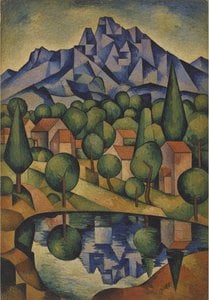
In his 1934 masterpiece, Cuenca, David Bomberg invites the viewer into a profound meditation on solitude and the enduring resilience of life amidst the overwhelming grandeur of nature. This oil on canvas transcends a mere topographical record of a Spanish hillside; it is an evocative window into a landscape where human presence and geological majesty exist in a delicate, poetic tension. The painting captures a panoramic view of a town nestled precariously yet harmoniously upon a rugged slope, where humble dwellings are scattered like quiet thoughts across the vast, undulating terrain. Through his masterful command of the medium, Bomberg distills the essence of this mountainous vista, offering an experience that is as much about emotional depth as it is about visual splendor.
The composition is anchored by a sense of monumental scale, with towering mountains dominating the horizon and creating a backdrop of immense power. In the foreground, trees punctuate the view, providing essential textural contrast and guiding the eye into the expansive scene. The sky, draped in soft, cloudy layers, lends an atmospheric weight to the work, suggesting the shifting moods of a mountain climate. This deliberate framing creates a captivating dialogue between the intimacy of the human settlement and the infinite scale of the natural world, fostering a contemplative space where themes of permanence and vulnerability intertwine.
Rooted in the transformative principles of Modernism, Cuenca showcases Bomberg’s sophisticated engagement with the legacies of Cubism and the structural insights of Cézanne. The artist employs a technique that prioritizes geometric simplification and multiple perspectives to sculpt spatial depth within the landscape. Rather than relying on rigid outlines, he utilizes loose, expressive brushstrokes that capture the very dynamism of the mountain air, imbuing the scene with a palpable sense of movement and life. This fluid application of paint allows the forms of the mountains and buildings to emerge organically from the canvas.
The color palette is masterfully restrained, leaning toward muted, earthy tones—predominantly rich browns and deep greens—that reflect the subdued, soulful hues characteristic of an autumnal landscape. Bomberg’s skillful use of tonal gradations allows him to define mass and volume, creating a sense of "the artist's consciousness of mass." This approach ensures that every element, from the smallest stone structure to the most distant peak, possesses a physical presence that feels both grounded and ethereal. For the discerning collector or interior designer, this work offers a sophisticated interplay of texture and tone, making it a timeless addition to any curated space.
To understand Cuenca is to understand a pivotal moment in Bomberg’s artistic evolution. Created during a period when the artist was moving away from the radical, fractured geometries of his earlier Cubo-Futurist years, this work represents a return to an aesthetic rooted in nature and organic form. The trauma of the First World War and the subsequent shift toward a more figurative, landscape-driven style are palpable here; there is a search for the sublime within the natural world that replaces the mechanical fervor of his youth. The painting reflects a period of profound transition, where the artist sought to realize the poetry found in mankind's contemplation of nature.
The emotional impact of the piece lies in its ability to evoke a sense of quiet awe. It is a work that speaks to the heart of anyone moved by the beauty of the untamed world and the quiet strength of those who inhabit it. Whether viewed as a study of light and shadow or as a symbolic representation of human endurance, Cuenca remains a visually arresting composition. For those seeking to bring a sense of historical depth and tranquil majesty into their surroundings, this reproduction serves as a powerful testament to Bomberg’s ability to capture the very breath of the landscape.
არა - ნამუშევარი საზღვარგარეთ ინახება. დავიდ ბომბერგი-ის სამშობლო გაერთიანებული სამეფო არის, ხოლო ნამუშევრის „Cuenca“ ორიგინალის მფლობელი მუზეუმი United Kingdom-ში მდებარეობს.
„Cuenca“-ის საავტორო უფლებების სტატუსი — კვლავ დაცულია საავტორო უფლებით — განპირობებულია მხატვრის იმ გარდაცვალებით, რომელიც 1957-ში მოხდა.
დავიდ ბომბერგი-ის „Cuenca“-ის ბეჭდვის რეკომენდებული ზომა არის Small.

დაიბადა პოლিশ-ებრაელი ემიგრანტების, აბრაამ და რებეკა ბომბერგის ოჯახში. თავდაპირველად სწავლობდა City and Guilds-ის ტექნიკურ სახელოვნებო სკოლაში, რის შემდეგაც ბირმინგ heaviest-ში ლითოგრაფობის ხელოვნებას ეუფლებოდა.
ვესტმინსტერის სახელოვნებო სკოლაში (1908-1910) ვოლტერ სიკერტის მეთოდოლოგიით სწავლა შეძლო, სადაც სიკერტისადმი მიდრეკილებამ ფორმისა და ურბანული ცხოვრებისადმი ყურადღებისმიერმა აქცენტებმა დიდ გავლენა მოახდინა მის შემოქმედებაზე. 1910 წლის როჯერ ფრაის გამოფენით „მანე და პოსტიმპრესიონისტები“ პაულ კლზენთან შეხება გადამწყვეტი აღმოჩნდა. შემდგომში სწავლობდა სლეიდის სახელოვნებო სკოლაში (1911), სადაც თავის თანაკლასელ ისაკ როზენბერგის ნატურისკენ მიბმულმა ნახატმა ტონკსის პრემია მოუტანა.
პირველ მსოფლიო ომში ჯარისკაცად მონაწილეობამ ღრმად შეცვალა მისი მხედველობა და აბსტრაქციული ხელოვნებისგან უფრო რეალისტური ფორმებისკენ გადასვლა გამოიწვია.
1920-იან წლებში ბომბერგმა უფრო ფიგურატულ სტილს მიჰყვებოდა, რაც ფოკუსირებული იყო პორტრეტებსა და პირდაპირ ბუნებიდან აღებულ ლანდშაფტებზე. მან განავითარა ექსპრესიონისტული ტექნიკა, რომელიც გამოირჩეოდა ტექსტურური იმპასტოთი და ემოციური ინტენსივობით.
ახლო აღმოსავლეთსა და ევროპაში განხორციელებულმა ვრცელმა მოგზაურობებმა მნიშვნელოვანი გავლენა მოახდინა მის შემდგომ ნამუშევრებზე, განსაკუთრებით კი იერუსალიმის გამოსახულებებმა დატოვდა დაუვიწყარ კვალს.

1890 - 1957 , გაერთიანებული სამეფო

Explore the profound transition from Cézanne’s structural Post-Impressionism to the revolutionary fractured forms of Cubism. A sophisticated journey through the evolution of modern art for the discerning collector and connoisseur of fine art history.

Discover how to curate emotionally resonant spaces with our expert guide on selecting romantic artworks. From Impressionist light to Romanticist passion, learn to choose masterpieces that evoke love and legacy through premium, hand-painted oil reproductions.

Explore the profound connection between landscape painting and the sublime through art history. Discover the masters of awe today.

Experience the magic of Jacques Villedieu's top 25 artworks. Explore a stunning fusion of modern life and classical mastery through premium art reproductions. From impressionist light to contemporary scenes, find museum-quality decor for your space. Discover all masterpieces on WahooArt.com
Explore the profound legacy of Paul Cézanne. Discover how his mastery of geometric forms and vibrant color bridged Impressionism and Cubism, offering timeless inspiration for fine art collectors and enthusiasts seeking to understand the foundations of modern art.
 წინასწარი ნახვა
 გაგზავნა
 გაზიარება
 დეტალები
 გზამკვლევი

 ჩამოტვირთვა
 მსგავსები
 რენტგენოგრაფიული კვლევა
 სლაიდშოუ
 კითხვა-პასუხი
 სტატისტიკა


 გააგრძელეთ კითხვა









 მინის ჩარჩოს არჩევანი შესაძლებელია მხოლოდ 110 სმ-მდე ზომისთვის


