რევოლუციური ხედვა: ზაჰა ჰადიდის ცხოვრება და მემკვიდრეობა
1950 წელს ბაღდად, ირაკში დაბადებული ლედი ზაჰა მუჰამედ ჰადიდი ჩვენი ეპოქის ერთ-ერთ ყველაზე მნიშვნელოვან არქიტექტურულ ძალად წარმოჩნდა. მისი გზა დაიწყო არა ხელოვნური აღზრდის ტრადიციულ ფარგლებში, არამედ სტიმულირებული ინტელექტუალური გარემოს შუაგულში; მისი მამა, მუჰამედ ალ-ჰაჯ ჰუსეინ ჰადიდი, წარმატებული ინდუსტრიელი და პოლიტიკოსი იყო, ხოლო დედა, ვაჟიჰა ალ-საბუნჯი, ხელოვნებისადმი სიყვარულს აფრთობინებდა. პრაგმატიზმისა და კრეატიულობის ამ უნიკალურმა შერწყმამ ღრმად ჩამოაყალიბა ახალგაზრდა ზაჰას მსოფლმხედველობა. თავდაპირველად, ბეირუტის ამერიკულ უნივერსიტეტში მათემატიკას სწავლდა, თუმცა მალევე აღმოაჩინა, რომ მისი ჭეშმარიტი მოწოდება სივრცით დიზაინში მდგომარეობდა, რამაც იგი 1972 წელს ლონდონში, არქიტექტურის ასოციაციის სკოლაში გადაიყვანა. სწორედ აქ, ისეთი გავლენიანი ფიგურების მეთვალყურეობის ქვეშ, როგორებიც იყვნენ რემ კოჰასი, ელია ზენგელისი და ბერნარდ ტშუმი, დაიწყო ჰადიდის რადიკალური არქიტექტურული აზროვნების ფორმირება. ამ მენტორებმა შეასწავლეს დამკვიდრებული ნორმების ეჭვქვეშ დაყენება და შექმნეს გარემო, სადაც ექსპერიმენტულობა და ინოვაცია ყვავოდა — ეს იყო საფუძველი, რომელზეც მან თავისი არაჩვეულებრივი კარიერა ააგო.
კონვენციების დეკონსტრუქცია: სტილი და გავლენები
ზაჰა ჰადიდი მხოლოდ შენობებს კი არ ქმნიდა, ის გამოცდილებას ქვადა, როგორც ქანდაკებას. დეკონსტრუქტივიზმის პიონერად აღიარებული მისი შემოქმედება თამამად უარყოფდა იმ მკაცრ გეომეტრიასა და ტრადიციულ ფორმებს, რომლებიც დიდხანს განსაზღვრავდა არქიტექტურულ პრაქტიკას. ნაცვლად ამისა, მან აირჩია ფრაგმენტაცია, დინამიკური ნაკადები და დენადი მოძრაობის შეგრძნება, რითაც შექმნა სტრუქტურები, რომლებიც თითქოს გრავიტაციას ეწინააღმდეგებოდნენ. მისი დიზაინი არ იყო მხოლოდ ფუნქციური სივრცე; ეს იყო მხატვრული მანიფესტი — ფორმისა და ენერგიის ძლიერი გამოხატულება. მე-20 საუკუნის დასაწყისის ავანგარდისტული მოძრაობების, განსაკუთრებით სუპრემატიზმისა და კაზიმირ მალევიჩის შემოქმედების გავლენა აშკარაა მის ადრეულ კვლევებში. ფაქტობრივად, მისი სად 졸업ო (საბაკალავრო) პროექტი, „მალევიჩის ტექტონიკა“, იყო აბსტრაქტული პრინციპებისა და არარეკტilinearული ფორმებისადმი მისი ერთგულების მძლავრი დემონსტრირება. თუმცა, ჰადიდი არ ყოფილა მხოლოდ მიმბაძველი; მან ეს გავლენები საკუთარ უნიკალურ ხედვასთან შეთავსდა, რამაც არქიტექტურული გეომეტრია გაათავისუფლა და მას ახალი ექსპრესიული იდენტობა მიუნადა. გადამწყვეტი იყო ისიც, რომ ფერწერა და ნახატი ჰადიდისთვის მხოლოდ მოსამზადებელი ინსტრუმენტი არ ყოფილა — ისინი დიზაინის პროცესის განუყოფელი ნაწლავი იყო, რაც საშუალებას აძლევდა მას, სივრცითი კონცეფციები და რთული ფორმები წინასწარ დაენახა, სანამ ისინი ბეტონსა და ფოლადში განხორციელდებოდა.
ნიშნოვანური შემოქმედება: გლობალური გავლენა
ჰადიდმა საკუთარი პრაქტიკა ლონდონში 1980 წელს დაამყარა, თუმცა აღიარება მარტივად არ მოსულა. მისი ადრეული ნამუშევრები ხშირად ზედმეტად რადიკალურად მიიჩნეოდა იმ დროის არქიტექტურული კლიმატისთვის. მიუხედავად ამისა, მან გამბედაობა გამოიჩინა და თანდათან მისი ინოვაციური მიდგომა აღიარებას მოიპოვა. ჰონგ-კონგის Peak Club (1983) მისი აღმავალი სტილის ადრეული ნიმუში იყო, რომელიც წინასწარმეტყველებდა იმ სუნთქავსმტაც სტრუქტურებს, რომლებიც მოგვიანებით შეიქმნა. მომდევნო ათწლეულების განმავლობაში, ჰადიდის ფირმა შეასრულა ისეთი მნიშვნელოვანი პროექტები, რომლებმაც გადას definisi (განსაზღვრა) მთელი მსოფლიოს ურბანული ლანდშაფტები. მათ შორისაა 2012 წლის ოლიმპიადისთვის შექმნილი დინამიკური ლონდონის აკვატიკური ცენტრი, რომელიც მოძრაობისა და ათლეტური სულისკვეთების შთაგონების წყაროა; მიჩიგანის Broad Art Museum, თავისი თვალშისაცემად დაჭყლიჭებული უჟანგავი ფოლადის ფასადით; MAXXI — 2ЛЬ საუკუნის ხელოვნების ეროვნული მუზეუმი რომში, რომელიც მოცულობათა და სიცარიელეთა რთული თამაშია; გვანგჟოუს ოპერატის თეატრი ჩინეთში, რომელიც მდინარე პერლზე მოთავსებულ ორ გლუვ კენჭს ჰგავს; და ჰეიდარ ალიევის ცენტრი ბაქოში, აზერბაიჯანში — ტალღასავით სუნთქმადი სტრუქტურა, რომელიც მისი საფირმო ნაკადოვანი ესთეტიკის განსახიერებაა. ეს პროექტები მხოლოდ შენობები არ იყო — ისინი კულტურული სიმბოლოები გახდა, რომლებმაც არქიტექტურული შესაძლებლობების საზღვრები გაფართოება შეუძღეს.
აღიარება და მარადიული გავლენა
ჰადიდის კარიერის განმავლობაში მიღებული ჯილდოები მისი არაჩვეულებრივი ნიჭისა და წარუღწევ გავლენის დასტურია. მან მიიღო მრავალი ჯილდო, რომელთა მწვერვალ도 2004 წელს პრიცკერის არქიტექტურული პრემია იყო — არქიტექტურაში უმაღლესი აღიარება, რამაც იგი პირველ ქალად აქცია, ვინც ეს პრესტიჟული ჯილდო ინდივიდუალურად მიიღო. შემდგომი პატივსაცემობები მოიცავდა სტირლინგის პრემიას (ორჯერ, ენთ 2010 და 2011 წლებში) და, მისი გარდაცვალების შემდეგ, ბრიტანეთის არქიტექტორთა სამეფო ინსტიტუტის ოქროს მედალს 2016 წელს. არქიტექტურულ მიღწევებთან ერთად, ჰადიდმა გადალახა ბარიერები ისეთ სფეროში, რომელიც ისტორიულად მამაკაცების dominated (დომინირებული) იყო, და შთაგონების წყაროდ იქცა უამრავი დამწყები დიზაინერისთვის. მისი მემკვიდრეობა სცილდება მხოლოდ ფიზიკურ სტრუქტურებს; იგი მის ტრანსფორმაციულ გავლენაში მდგომარეობს არქიტექტურულ აზროვნებასა და პრაქტიკაში. 2016 წელს მისი ნაადრევი სიკვდილის შემდეგაც კი, Zaha Hadid Architects კვლავ ფუნქციონირებს და შეუპოვარი ერთგულებით აგრძელებს მისი ხედვისა და პრინციპების ქონას. არქიტექტურიდან გასცდა ხელოვნების სხვა მედიუმების — მაგალითად, „ტატლინის tower და ტექტონიკის“ მსგავსი ნამუშევრების — კვლევა, რაც დიზაინის ექსპერტიზასა და მხატვრულ გამოხატულებას შორის უნიკალურ სინერგიას წარმოაჩენს.
ზაჰა ჰადიდის შენობები მისი ინოვაციური სულის მარადიული მონუმენტებია, რომლებიც მომავალი თაობებისთვის ქმნიან გარემოს.
შენობების მიღმა: წარუღწევ მხატვრული მემკვიდრეობა
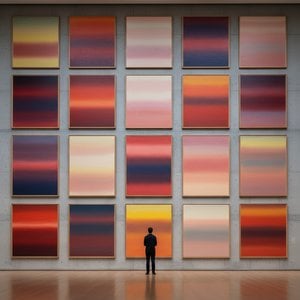
მიუხედავად იმისა, რომ იგი ძირითადად არქიტექტურული მიღწევებით არის ცნობილი, ზაჰა ჰადიდის შემოქმედებითი ხედვა შენობების დიზაინის ფარგლებს ბევრად სცილდებოდა. იგი მუდმივად იკვლევდა ისეთ მხატვრულ მედიუმებს, როგორიცაა ფერწერა და პროდუქტის დიზაინი, მათ განიხილავდა არა როგორც ცალკეულ დისციპლინებს, არამედ როგორც თავისი უნიტკენური ესთეტიკური შეგრძნების ურთიერთდაკავშირებულ გამოხატულებებს. მისი ფერწერები, რომლებიც ხშირად დინამიკური კომპოზიციებითა და აბსტრაქტული ფორმებით ხასიათდება, წარმოადგენდა კონცეპტუალურ კვლევებს, რომლებმაც პირდაპირი გავლენა მოახდინეს მის არქიტექტურულ პროექტებზე. ეს ნამუშევრები არ იყო მხოლოდ ესკიზები; ისინი მისი იდეების განვითარების განუყოფელი ნაწილი იყო და საშუალებას აძლევდა მას, ექსპერიმენტები გაეკეთებინა სივრცითურ ურთიერთობებსა და ვიზუალურ ტექსტურებზე, სანამ მათ სამგანზომილებიან სტრუქტურებად გარდაქმნიდა.
- ადრეული ფერწერები: მისი ადრეული ნამუშევრები, როგორიცაა „ნარინჯისფერი აფეთქება თეთრზე“, აჩვენებს ფრაგმენტული ფორმებისა და მკვეთრი ფერებისადმი გატაცებას, რაც წინასწარ განსაზღვრავდა დეკონსტრუქტივიზმულ პრინციპებს.
- დიზაინის ობიექტები: ჰადიდი ასევე შეეჭრა პროდუქტის დიზაინში, ქმნიდა ავეჯს, განათებას და სხვა საგნებს, რომლებიც მისი შენობების ნაკადოვრულ ხაზებსა და სკულპტურულ თვისებებს იმეორებდა. ტოკიოში არსებული Chanel Mobile Art Pavilion ამ მულტიდისციპლინური მიდგომის შესანიშნავი მაგალითია.
- <სტილისტური ელემენტი: კონცეპტუალური კვლევები: ნამუშევრები, როგორიცაა „ტატლინის ინტერპრეტაცია“, აჩვენებს მის ჩართულობას ისტორიულ ავანგარდისტულ მოძრაობებში და სურვილს, მოახდინოს მოდერნისტული პრინციპების რეინტერპრეტაცია თანამედროვე კონტექსტში.
დიზაინისადმი ეს ჰოლისტიკური მიდგომა განამტკიცა ჰადიდის პოზიცია არა მხოლოდ, როგორც არქიტექტორის, არამედ როგორც ჭეშმარიტი ვიზიონერი მხატვრის, რომლის გავლენა დღემდე რეზონანსს იპოვებს მრავალ შემოქმედებით სფეროში.



 ნახვა ინტერьерში
 შეიძინეთ ხელით შესრულებული ნახატი
 გაგზავნა
 გაზიარება
 დეტალები
 გზამკვლევი

 ჩამოტვირთვა
 მსგავსები
 რენტგენოგრაფიული კვლევა
 სლაიდშოუ
 სტატისტიკა


 სრული ტექსტის ნახვა






































 მინის ჩარჩოს არჩევანი ხელმისაწვდომია მხოლოდ 110 სმ-მდე ზომისთვის