მხატვრის ბიოგრაფია
ადრეული წლები და სახელოვნებო საფუძვლები
კონრად მარტენსი მე-19 საუკუნის ხელოვნების მნიშვნელოვან ფიგურად წარმოჩნდა, რომელმაც ერთმედელში გადალახა ევროპული მხატვრული ტრადიციისა და კოლონიური ავსტრალიის მზარდი პეიზაჟწერობის სცენის სამყაროები. 1801 წელს ლონდონში დაბადებულ მას საერთაშორისო კავშირებით აღბეჭდილი წარმომავლობა ჰქონდა – მისი მამა, ჯ.সি.ჰ. მარტენსი, ავსტრიაში დაბადებული ვაჭარი იყო, რომელიც ავსტრიის კონსულად მსახურობდა, რაც ოჯახში კოსმოპოლიტური ატმოსფეროს ქმნიდა. 1816 წელს მამის გარდაცვალების შემდეგ, კონრადმა მთელი თავი ხელოვნებისადმი მიძღვნა და ფორმალური სწავლება დაიწყო ცნობილი აკვარელიტის, კოპლი ფილდინგის ხელმძღვანელობით. ეს ონდადობა გადამწყვეტი აღმოჩნდა, რადგან მარტენსი ინგლისური აკვარელის სკოლის დამკვიდრებულ ტექნიკასა და ესთეტიკურ პრინციპებში ჩაუღრმავდა. ფილდინგის გავლენამ მასში დათესა სინათლის, ატმოსფეროსა და ზედმიწევნითი დაკვირვებისადმი მოწიწება – თვისებები, რომლებიც მისი გამორჩეული სტილის საფუძვლად იქცა. ამ ადრეულმა წლებმა საფუძველი ჩაუყარა კარიერას, რომელიც განსაზღვრული იყო როგორც ტექნიკური ოსტატობით, ისე ბუნებისადმი რომანტიკული შეგრძნებით.
მოგზაურობა „ბგეილზე“ და დარვინთან კავშირები
მარტენსის ცხოვრების გარდამტეხი მომენტი 1832 წელს მოვიდა, როდესაც მას HMS Hyacinth-ის გუნდში ტოპოგრაფიული მხატვრის პოზიციაზე მიიწვიეს, რათა ინდოეთის კრუიზის დროს ლანდშაფტები დაეკត់ბა. თუმცა, ბედმა თავი გამოიჩინა, როდესაც იგი შემდგომში აირჩიეს ავგუსტუს ერლის შესაცვლელად HMS Beagle-ის მეორე ექსპედიციის დროს, 1833 წელს. ამ ასოციაციამ მისი სახელი სამუდამოდ დაუკავშირა ისტორიის ერთ-ერთ ყველაზე გავლენიან სამეცნიერო ექსპედიციას და ჩამოაყალიბა მჭიდრო მეგობრობა ჩარლზ დარვინთან. ერთ წელზე მეტი ხნის განმავლობაში მარტენსი აღრიცხავდა „ბგეილის“ მიერ აღმოჩენილ მრავალფეროვან ტერიტორიებს, სამხრეთ ამერიკის სანაპიროებიდან დაწყებული, წყნარი ოკეანის შორეული კუნძნებით დასრულებული. ამ გამოცდილებამ უზომოდ გააფართოვა მისი მხატვრული ჰორიზონტები, რადგან მან შეასწოლა სინათლის ახალი პირობები, გეოლოგიური ფორმირებები და ეგზოტიკური ფლორა და ფაუნა. რაც უფრო მნიშვნელოვანია, ამით განვითარდა თანამშრომლობითი სული დარვინთან, რომლის დეტალებისადმი მჭრელი თვალი და სამეცნიერო ცნობისმოყვარეობა ღრმად ეხმიანებოდა მარტენსის საკუთარ დაკვირვებით მიდგომას. 1834 წელს ვალპარაისოში „ბგეილის“ ტოვების შემდეგ, მან თავისი მოგზაურობა წყნარი ოკეანის კუნძნებში გააგრძელა, სანამ საბოლოოდ 1835 წელს ავსტრალიაში, სიდნეიში ჩამოვიდა – დანიშნულების ადგილს, რომელიც მისი ცხოვრების დანარჩენი ნაწილი მისი სახლი და მხატვრული ფოკუსი გახდა.
ავსტრალიური იდენტობის ჩამოყალიბება
სიდნეიში დასახლების შემდეგ, კონრად მარტენსი სწრაფად მოიპოვა სადღეღამისო რეპუტაცია, როგორც კოლონიის ერთ-ერთი ყველაზე პროფესიონალი და ნაყოფიერი პეიზაჟისტი. მან მიიღო გამოწვევა, შეეღბა ავსტრალიური გარემოს უნიკალური სილამაზე და ხასიათი, განსაკუთრებით კი სიდნეის ყურის დრამატული პანორამები. შეკვეთები მოდიოდა როგორც კერძო მეწარმოეებისგან, ისე ინსტიტუტებისგან, მათ შორის დარვინისა და კაპიტანი ფიტზროის მხარდაჭერით, რომლებიც ინგლისში დაბრუნების შემდეგ ითხოვდნენ ნამუშევრებს. თუმცა, 1840-იან წლებმა ეკონომიკური სირთულეები მოუტანა მას, რამაც მარტენსი აიძულა შემოსავლის დივერსიფიკაცია ე lakukan ლითოგრაფიის მეშვეობით. მისი პოპულარული პრინტი, „სიდნეი სენტ-ლეონარდებიდან“, სწორედ ამ პერიოდის მაგალითია, რაც აჩვენებს მის უნარს, აკვარელის ტექნიკა აღამდგვაროს რეპროდუცირებად მედიუმში და უფრო ფართო აუდიტორიას მიწვდეს. 1837 წელს ჯეინ კარტერზე – ცნობილი ადვოკატის ქალიშვილზე – ქორწინებამ სტაბილურობა მოუტანა, თუმცა არ შეუმცირებია მისი ერთგულება ხელოვნებისადმი. ამ წლების მარტენსის შემოქმედება ასახავს ადგილის მზარდ განცდას – მცდელობას, განსაზღვროს ავთენტური ავსტრალიური ესთეტიკა ევროპულ ტრადიციებთან მჭიდრო კავშირში დარჩენით.
მხატვრული სტილი და მარადიული მემკვიდრეობა
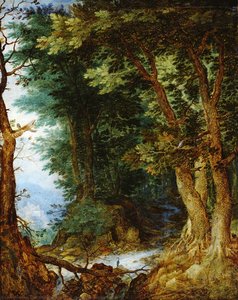
მარტენსის მხატვრული სტილი იყო გავლენათა მომხიბვლელი სინთეზი, სადაც შთაგონებას იღებდა კლოდ লორენის მე-17 საუკუნის პეიზაჟებიდან, თავისი ატმოსფერული პერსპექტივითა და იდეალიზებული კომპოზიციებით, ასევე ჯ.მ.ვ. ტერნერის მიერ დაფასებული სინათლისა და ფერების ინოვაციური გამოყენებით. მან ოსტატურად მოარგა ეს აკადემიური საფუძვლები ავსტრალიური ლანდშაფტის სპეციფიკურ თვისებებს – ინტენსიურ მზის სხივებს, უხეშ რელიეფს და უნიკალურ მცენარეულობას. მისი ტილოები ხასიათდება განათების დრამატული ეფექტებით, პიკტურული განლაგებითა და ბუნების რომანტიზებული ხედვით, რაც კოლონიურ გემოვნებას შეეფერებოდა. ტექნიკური ოსტატობის მიღმა, მარტენსი ხაზს უსვამდა მკაცრ სწავლებასა და მჭრელ დაკვირვებას – პრინციპებს, რომლებიც მან სიდნეის სკეჩინგ კლუბში გამართულ ლექციებშიც კი ჩამოაყალიბა. 1862 წელს, პარლამენტის ბიბლიოთეკაში ასისტენტ-ბიბლიოთეკარის პოზიციით ფინანსური სტაბილურობის მოპოვებამ მას საშუალება მისცა, გაეგრძელებინა შემოქმედება ჯანმრთელობის გაუარესების მიუხედავად. კონრად მარტენსი 1878 წელს გარდაიცვალა, დატოვა მნიშვნელოვანი ნაშრომები, რომლებიც მას დღეს ავსტრალიის უპირატეს მე-19 საუკუნის პეიზაჯისტად წარმოაჩენს. მისი ნახატები არ არის მხოლოდ სცენების ლამაზი აღკვეთა; ისინი წარმოადგენენ ფასდაუდებელ ისტორიულ ჩანაწერებს, რომლებიც გვაჩვენებენ ავსტრალიის ადრეულ ცხოვრებასა და ლანდშაფტებს, სავსე ხელოვნური ღირებულებითა და მარადიული კულტურული მნიშვნელობით. მისი მემკვიდრეობა დღესაც აInspireებს ხელოვანებს და აღფრთოვანებას იწვევს მაყურებელს.



 ნახვა ინტერьерში
 შეიძინეთ ხელით შესრულებული ნახატი
 გაგზავნა
 გაზიარება
 დეტალები
 გზამკვლევი

 ჩამოტვირთვა
 მსგავსები
 რენტგენოგრაფიული კვლევა
 სლაიდშოუ
 სტატისტიკა
 სრული ტექსტის ნახვა






































 მინის ჩარჩოს არჩევანი ხელმისაწვდომია მხოლოდ 110 სმ-მდე ზომისთვის