

მუზეუმის დონის ჟიკლე ან ტილოზე ბეჭდვა სწრაფი წარმოებისა და დასრულების მოქნილი ვარიანტებით. ( შეიძინეთ ხელით შესრულებული ნახატი გადართვა ციფრულ გამოსახულებაზე)





























აირჩიეთ ჩვენს მიერ წინასწარ განსაზღვრული ზომებიდან, რომლებიც ნაწარმოების ორიგინალურ პროპორციებს შეესაბამება.

შეიყვანეთ თქვენთვის საჭირო სიგანე და სიმაღლე, რათა გამოსახულებამ თქვენს ჩარჩოს ან კედელს ზუსტად მოერგოს. ბეჭდვისას შესაძლებელია მხოლოდ მისი შემცირება და არა გაზრდა, ამიტომ სხვა ფორმის ზომის შემთხვევაში სურათი ნაწილობრივ იკარგება. სანამ რაიმეს დაბეჭდავთ, ჩვენ გამოგიგზავნით ციფრულ მაკეტს დასდასტურებლად. ამ გვერდზე ნაჩვენები სურათი არ ასახავს რეალურ ჭრას — ამას მხოლოდ მაკეტი გვიჩვენებს.
მიწოდება მთელ მსოფლიოში () 2 კვირაში, სტანდარტული 4/5 კვირის ნაცვლად. (10 ნოემბერი)
წითელი სახლი
რეპროდუქციის ზომა
Claude Monet’s “The Red House,” painted in 1908, isn't merely a depiction of a building; it’s an embodiment of Impressionism itself—a testament to Monet’s unwavering dedication to capturing the ephemeral beauty of nature and translating it onto canvas. More than just pigment on linen, this artwork speaks volumes about the artist’s personal life, his artistic philosophy, and the burgeoning movement that would forever alter the course of art history.
Located in Giverny, France—Monet's beloved garden home—the painting portrays a modest red brick house bathed in dappled sunlight. Its stark simplicity contrasts beautifully with the vibrant foliage surrounding it: climbing roses, lavender bushes, and meticulously cultivated flowerbeds dominate the composition. Monet’s masterful use of color is immediately striking. He employs loose brushstrokes—characteristic of Impressionism—to render the hues of the flowers and leaves with astonishing accuracy, prioritizing luminosity over precise detail.
Beyond its aesthetic qualities, “The Red House” holds profound symbolic significance. The house itself represents a retreat from the pressures of Parisian society—a sanctuary for creativity and contemplation—mirroring Monet's own yearning for solitude and artistic freedom. It’s also inextricably linked to his relationship with Blanche Hoschedé-Monet, whom he married in 1905, symbolizing domestic tranquility amidst the turbulent currents of artistic innovation.
Considered alongside other iconic landscapes from Monet’s Giverny series—particularly “Water Lilies Pond with Irises (left half)” housed at the Kunsthaus Zürich—this painting exemplifies Monet's unwavering commitment to exploring the interplay between light, color, and form. It invites viewers to immerse themselves in a sensory experience reminiscent of Monet’s own daily life, reminding us that art can transcend mere visual representation to convey deeper emotional truths.
For those seeking to appreciate Monet’s genius firsthand, explore The Red House on WahooArt. Additionally, delve into the captivating world of Impressionist art at the Museu de História e Artes do Estado do Rio de Janeiro (Brazil)—a treasure trove of masterpieces from the era.
რადგან ნამუშევრის თარიღია 1908, „წითელი სახლი“ კლოდ მონე-ის მწიფე პერიოდი-ს მიეკუთვნება.
კლოდ მონე-ის „წითელი სახლი“-ში დანახულია განცხადება კონტრასტი ღია და მუქ ფერებს შორის.
"წითელი სახლი" შეიქმნა 1908 წელს, Impressionism მიმდევრობის ფარგლებში.

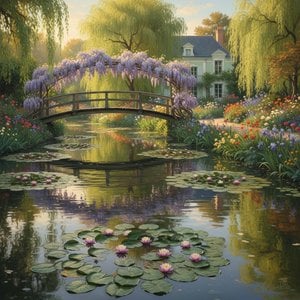
Embark on a visual journey through Claude Monet's Giverny. Discover the enchanting light, vibrant colors, and breathtaking landscapes of his legendary gardens through an expert exploration of Impressionist mastery and timeless beauty.

აღმოაჩინეთ კლოდ მონეს და იმპრესიონიზმის შედევრული ისტორია ჩვენი ექსპერტული მიმოხილვით. წაიკითხეთ და გაეცანით ხელოვნების რევოლუციას.

Embark on a sophisticated visual journey through Claude Monet's most iconic masterpieces. Discover how the master of Impressionism captured fleeting light, color, and movement in his legendary landscapes and water lilies.

Embark on a visual journey through Claude Monet’s most iconic masterpieces. Discover how the master of Impressionism captured fleeting light and color, and learn how to bring this timeless elegance into your home with museum-quality fine art reproductions.
 წინასწარი ნახვა
 გაგზავნა
 გაზიარება
 დეტალები
 გზამკვლევი

 ჩამოტვირთვა
 მსგავსები
 რენტგენოგრაფიული კვლევა
 სლაიდშოუ
 კითხვა-პასუხი
 სტატისტიკა

 გააგრძელეთ კითხვა









 მინის ჩარჩოს არჩევანი შესაძლებელია მხოლოდ 110 სმ-მდე ზომისთვის


