แสงและເວລາ: კლოდ მონეს სამყარო
კლოდ მონე, რომლის სახელიც სინონიმად არის ქცეული იმპრესიონიზმისთვის, არ იყო მხოლოდ პეიზაჟების მხატვარი; ის იყო მომენტების ფლაკიანი ქრონიკისტი, ნათებისა და ფერის ποιητής. დაიბადა პარიზში, 1840 წლის 14 ნოემბერს, მისი ადრეული ცხოვრება ఊహించ 못한ამ გადაინაცვლა ნორმანდიის ჰავრში, ხუთი წლის ასაკში. თავდაპირველად, მამის სურვილით, იგი უნდა ეწარმოებოდა კომერციულ საქმიანობას, მაგრამ ახალგაზრდა კლოდის 타고난 მხატვრული ნიჭი hızla გამოჩნდა, პირველად ნახევრად გამ투მანირი კარიკატურების სახით, რომლებიც ადგილობრივად იყიდებოდა – ეს იყო მისი უნარის და მეწარმე 정신ის 증거. თუმცა, გადამწყვეტი მომენტი მისი ევგენ ბუდანთან შეხვედრა იყო. ბუდანმა მონეს לא רק ისสอนა, როგორ უნდა დავხატოთ, არამედ მას революционный идеяც ჩაანერგა – απευθείας طبیعتից വരვა (en plein air), რაც განსაზღვრავდა მისი მთელი కళეწარმოების გზას.
მონეს ფორმალური განათლება დაიწყო პარიზში, თავდაპირველად აკადემია სუიზში და მოგვიანებით შარლ გლეირის სახელოსნოში. სწორედ აქ მან მუდმივ მეგობრებთან, ოსტე რენუართან გაიცნო, ურთიერთობა რომელიც აყალიბდა ortak కళეწარმოების разочарования და ტრადიციული აკადემიური ζωγραφების შეზღუდვიდან გამოსვლის სურვილით. მისი ადრეული ნაშრომები, რომლებიც გამოჩენილია ტექნიკური ਮੁხარათით, ნაკლებად χαρακτηρίζება იმ უнікаლი ხმისას, რომელიც მოგვიანებით მის სტილს განასახიერებდა. მას შემდეგ მოყვა შეტაკებების პერიოდი – ფრანკო-პრუსული ომმა მონე вынужденно თავს აიფარა ლონდონში, სადაც ის погрузился ინგლისელი пейзажистов, როგორიცაა ჯონ კონსტაბლის და ਜੋზეფ ტურნერის ნაშრომებში, შეიცვალა მათი атмосферის эффекты და ფერის инноваციული გამოყენება.
ესთეტიკური რევოლუციის დაბადება
საფრანგეთში დაბრუნების შემდეგ მონე გახდა emerging కళეწარმოების აღზევების ცენტრალური პირი. недовольные კონსერვატული სტանդრტებით, მან გაერთიანდა მსგავსი აზროვნების მქონე სხვა მხატვრებთან და స్వતంత్ర გამოფენების διοργάνოზაციისთვის. 1874 წლის გამოფენა აღმოჩნდა გარდამტეხი მომენტი не только მონისთვის, არამედ მთელი ხელოვნების სამყაროსთვის. სწორედ აქ იყო წარდგენილი მისი ტილო “Impression, soleil levant” (ასვლა მზის შთაბეჭდილება), რომელმაც გამოიწვია "იმპრესიონიზმის" სახელწოდების წარმოშობა – ჰავრის პორტის ნათლილი დილის გამოსახულება. თუმცა, ეს სახელი დარჩა და გადაიქცა గౌరვավոր სიმბოლოდ იმ მოძრაობისთვის, რომელიც стремился შეცვალოს сцены უფრო субъекტური *შთაბეჭდილების* აღქმით, ვიდრე მათი точное წარმომადგენლობით.
მონეს ხასიათიერებული სტილი ამ პერიოდში расцвел: χαλαρές, видимые мазки кистью, яркие и часто не смешанные цвета, нанесенные рядом друг с другом (техника, известная как «разбитый цвет»), и непоколебимое внимание к захвату мимолетных качеств света. ის неустанно продолжал свою практику en plein air, быстро работая, чтобы запечатлеть свои непосредственные восприятия до того, как меняющиеся условия изменят сцену. ეს не просто было изображением того, что он *видел*, а скорее того, как он *чувствовал* в ответ на это – радикальное отклонение от художественных конвенций.
გივერნი: ნათებისა და отражений Рай
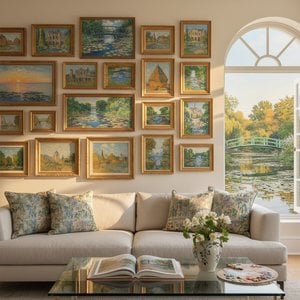
1883 წელს მონე დასახლდა გივერნიში, პარიზის ჩრდილო-დასავლეთით, სადაც შეიძინა სახლი და ბაღი, რომელიც როგორც მისი თავშესაფარი, ასევე მისი вдохновения უდიდესი წყარო გახდა. მან тщательно გადააქცია ქონება пышным райским садом, რომელშიც შედიოდა экзотические цветы, ტიხისფოთლოვანი ხეები და ყველაზე ცნობილი – იაპონური мостаთი გადაჭიმული водный бассейн. ეს не просто был декоративный сад; это была живая лаборатория, где Monet мог изучать эффекты света на воде, листве и отражениях в контролируемых условиях.
მისი ζωής последние десятилетия были почти полностью посвящены живописи водных лилий в Гурни. Он начал монументальную серию «Водные лилии» (Nymphéas), создавая огромные полотна, изображающие поверхность пруда как постоянно меняющуюся мозаику цвета и света. Это были не просто картины цветов; это были захватывающие дух произведения искусства, предназначенные для того, чтобы полностью погрузить зрителя в мир безмятежной красоты и созерцательного спокойствия. Масштаб этих работ поражает, расширяя границы традиционной живописи и предвосхищая абстрактный экспрессионизм.
მემკვიდრეობა: ხელოვნების ისტორიაზე გრძელი സ്വാვლის
კლოდ მონეს გავლენა ხელოვნების ისტორიაზე невозможноა შეფასება. ის не только был основателем импрессионизма; он фундаментально изменил то, как художники воспринимали и представляли окружающий мир. მისი субъекტური გამოცდილების акцент, en plein air ζωγραφების მიღწევა და инноваციული ტექნიკები გააპირობა თანამედროვე ხელოვნების абстракции და непредставительных ფორმების შესწავლა.
მონე достигнул значительного коммерческого успеха при жизни – редкость для авангардных художников того времени. Его работы продолжают вдохновлять и восхищать публику по всему миру, укрепляя его место в качестве одной из самых важных фигур западного искусства. Он умер 5 декабря 1926 года, оставив после себя наследие, которое резонирует через поколения художников и любителей искусства.
ძირითადი కళეწარმოების ტექნიკები
- En plein air ζωγραφება: მისი განვითარებისთვის გადამწყვეტი, რომელიც საშუალებას აძლევდა ნათლისა და атмосфеρας პირდაპირი 관찰.
- Разбитый цвет: чистых цветов небольшими мазками рядом друг с другом для оптического смешивания.
- Серийная живопись: изображать один и тот же объект в разных условиях освещения и погоды – демонстрируя преобразующую силу времени и света.



 წინასწარი ნახვა
 შეიძინეთ ხელით შესრულებული ნახატი
 გაგზავნა
 გაზიარება
 დეტალები

 ჩამოტვირთვა
 მსგავსები
 რენტგენოგრაფიული კვლევა
 სლაიდშოუ
 სტატისტიკა

 გადასართად დაწვრილებით ნახეთ






































 მინის ჩარჩოს არჩევანი ხელმისაწვდომია მხოლოდ 110 სმ-ზე ნაკლები ზომისთვის