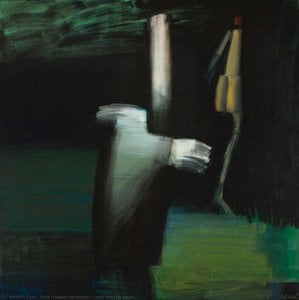
ამ გვერდზე წარმოდგენილი ნამუშევარი დაცულია საავტორო უფლების შესახებ კანონმდებლობით, რაც იმას ნიშნავს, რომ ჩვენ არ გვაქვს მისი იდენტური რეპროდუქციის შექმნის ან გაყიდვის სამართლებრივი უფლება. აღნიშნული დაცვა უზრუნველყოფილია ისეთი საერთაშორისო შეთანხმებებით, როგორიცაა ბერნის კონვენცია და ეროვნული კანონმდებლობით, მათ შორის იმ კანონებით, რომლებიც დეტალურად არის გაწერილი აშშ-ის საავტორო უფლების შესახებ კანონი - თავი 17.
ეს მეთოდი სრულად შეესაბამება საავტორო უფლებების რეგულაციებს, რადგან ის არ გულისხმობს დაცული ნამუშევრის კოპირებას ან დუბლირებას. ამგვარად, ეს წარმოადგენს შემოქმედებით რეინტერპრეტაციას — ახალ ნახატს, რომელიც შთაგონებითაა განპირობებული ორიგინალით, თუმცა არ არის მის იდენტურ ასლს.
მუზეუმის დონის ჟიკლე ან ტილოზე ბეჭდვა სწრაფი წარმოებისა და დასრულების მოქნილი ვარიანტებით. ( შეიძინეთ ხელით შესრულებული ნახატი გადართვა ციფრულ გამოსახულებაზე)
აირჩიეთ ჩვენს მიერ წინასწარ განსაზღვრული ზომებიდან, რომლებიც ნაწარმოების ორიგინალურ პროპორციებს შეესაბამება.

შეიყვანეთ თქვენთვის საჭირო სიგანე და სიმაღლე, რათა გამოსახულებამ თქვენს ჩარჩოს ან კედელს ზუსტად მოერგოს. ბეჭდვისას შესაძლებელია მხოლოდ მისი შემცირება და არა გაზრდა, ამიტომ სხვა ფორმის ზომის შემთხვევაში სურათი ნაწილობრივ იკარგება. სანამ რაიმეს დაბეჭდავთ, ჩვენ გამოგიგზავნით ციფრულ მაკეტს დასდასტურებლად. ამ გვერდზე ნაჩვენები სურათი არ ასახავს რეალურ ჭრას — ამას მხოლოდ მაკეტი გვიჩვენებს.
მიწოდება მთელ მსოფლიოში () 2 კვირაში, სტანდარტული 4/5 კვირის ნაცვლად. (8 ნოემბერი)
The Painter Francis Bacon
რეპროდუქციის ზომა

Chronis Botsoglou stands as one of the most profound and uncompromising voices in contemporary Greek art, a painter whose work served as the very conscience of figurative painting for over half a century. Born in Thessaloniki, Greece, his artistic journey was shaped by a rigorous academic foundation, beginning at the Athens School of Fine Arts under the mentorship of the legendary Yiannis Moralis. This early training, followed by a transformative period of study at the École nationale supérieure des Beaux-Arts in Paris, allowed him to weave together a unique aesthetic language—one that rejected the purely decorative in favor of a raw, psychological directness.
His return to Greece marked a pivotal moment in his career as he helped found the New Greek Realists group in 1971. At a time when the international art world was drifting toward conceptual experimentation, Botsoglou remained steadfastly committed to a realism that explored the human condition. His practice was never merely about representation; it was an excavation of existence. Through his large-format figure compositions, he addressed themes of brutality, violence, and cynicism, yet always tempered this critical gaze with an unmistakable sense of empathy and tenderness.
The technical breadth of Botsoglou’s oeuvre is as vast as its emotional depth. While his large-scale paintings often commanded the most critical attention, his mastery extended across a diverse range of media, including engraving, sculpture, pastels, and watercolours. His work frequently oscillates between the heavy physicality of painting material and an almost ethereal, existential lightness. In series such as Personal Nekyia, he delves into the shadows of mortality, using muted tones and haunting imagery to explore the relationship between the self and the void.
In contrast, other works like his Haiku series reveal a different facet of his genius, capturing serene coastal scenes through pastel hues that blend elements of impressionism with nature's quiet beauty. This duality—the ability to move from the visceral weight of human suffering to the delicate observation of light and landscape—defines his artistic legacy. His paintings do not merely depict bodies; they biographize death, using the human form to speak of solitude, fragility, and the enduring struggle of the spirit.
Beyond the canvas, Botsoglou was a monumental figure in the academic and intellectual life of Greece. His dedication to the craft was matched by his commitment to artistic education, serving as a professor at the Athens School of Fine Arts and later as its Rector. He was an artist who thought deeply about the labor of creation, publishing writings that explored the very essence of artistic study and the necessity of honesty in one's work.
His immense contribution to art history is reflected in the widespread presence of his works in prestigious institutions. His legacy is preserved through:
Through decades of solo and group exhibitions spanning from South America to Israel, Chronis Botsoglou remained an artist of profound sincerity, leaving behind a body of work that continues to resonate with its unflinching gaze into the depths of human existence.

1941 - 2022 , Greece

Immerse yourself in the visceral world of Francis Bacon. Explore 25 iconic masterpieces, from distorted figures to haunting portraits. Discover the stories behind these expressionist legends and find museum-quality art reproductions for your collection at WahooArt.com.
 წინასწარი ნახვა
 გაგზავნა
 გაზიარება
 დეტალები
 გზამკვლევი

 ჩამოტვირთვა
 მსგავსები
 რენტგენოგრაფიული კვლევა
 სლაიდშოუ
 კითხვა-პასუხი
 სტატისტიკა

 გააგრძელეთ კითხვა






































 მინის ჩარჩოს არჩევანი შესაძლებელია მხოლოდ 110 სმ-მდე ზომისთვის