


მუზეუმის დონის ჟიკლე ან ტილოზე ბეჭდვა სწრაფი წარმოებისა და დასრულების მოქნილი ვარიანტებით. ( შეიძინეთ ხელით შესრულებული ნახატი გადართვა ციფრულ გამოსახულებაზე)





























აირჩიეთ ჩვენს მიერ წინასწარ განსაზღვრული ზომებიდან, რომლებიც ნაწარმოების ორიგინალურ პროპორციებს შეესაბამება.

შეიყვანეთ თქვენთვის საჭირო სიგანე და სიმაღლე, რათა გამოსახულებამ თქვენს ჩარჩოს ან კედელს ზუსტად მოერგოს. ბეჭდვისას შესაძლებელია მხოლოდ მისი შემცირება და არა გაზრდა, ამიტომ სხვა ფორმის ზომის შემთხვევაში სურათი ნაწილობრივ იკარგება. სანამ რაიმეს დაბეჭდავთ, ჩვენ გამოგიგზავნით ციფრულ მაკეტს დასდასტურებლად. ამ გვერდზე ნაჩვენები სურათი არ ასახავს რეალურ ჭრას — ამას მხოლოდ მაკეტი გვიჩვენებს.
მიწოდება მთელ მსოფლიოში () 2 კვირაში, სტანდარტული 4/5 კვირის ნაცვლად. (8 ნოემბერი)
Angels Pity
რეპროდუქციის ზომა
In the quiet, hallowed atmosphere of the Early Renaissance, few works capture the intersection of human sorrow and divine grace as poignantly as Carlo Crivelli’s "Angels Pity." Painted in 1470, this masterpiece serves as a profound meditation on tenderness and spiritual devotion. The scene unfolds with an intimate warmth, presenting Jesus cradling two children within his arms—a gesture that transcends mere historical depiction to become a universal symbol of protection and innocence. Surrounded by a celestial assembly of angels and watchful figures, the composition draws the viewer into a sacred circle of empathy. Even the subtle presence of a solitary bird in the upper corner acts as a silent witness, lending an air of tranquility to a moment heavy with emotional significance.
The artistry of Crivelli is on full display through his masterful command of color and light. Utilizing soft, luminous hues and delicate brushstrokes, the artist creates a sense of palpable intimacy that makes the divine feel reachable. The painting is a triumph of the Early Renaissance style, where every detail is rendered with an almost obsessive realism. Crivelli’s technique involves the meticulous application of oil glazes on wood panel, building layers of color to achieve a radiant depth. This method allows light to appear as if it is emanating from within the figures themselves, highlighting the soft textures of skin and the intricate folds of drapery, thereby inviting the observer to linger on the subtle nuances of the composition.
Beyond its visual splendor, "Angels Pity" is a rich tapestry of Christian iconography designed to provoke deep reflection. The arrangement of the figures within an arched niche creates a sense of sacred enclosure, separating the holy event from the mundane world. Every element serves a symbolic purpose: the tender way Jesus holds the children reflects the theological concept of divine mercy, while the surrounding angels represent the bridge between heaven and earth. Crivelli’s use of trompe l'oeil—a technique intended to trick the eye into perceiving three-dimensional reality—adds a layer of tactile presence to the work, making the spiritual themes feel grounded in a tangible, physical reality.
For the discerning collector or interior designer, this painting offers more than mere decoration; it provides an emotional anchor for any space. The somber yet serene mood makes it an ideal centerpiece for rooms dedicated to contemplation, study, or quiet luxury. Whether one is drawn to its historical significance as a product of the Venetian-influenced March of Ancona or moved by its profound expression of compassion, "Angels Pity" remains a timeless testament to the power of art to evoke the sublime. Owning a high-quality reproduction of this work allows for the preservation of this Renaissance spirit, bringing a sense of historical weight and aesthetic harmony into the modern home.
თავსებად მოწყობილობაზე თავსდამხვევი რეალობის გამოყენებით, შეგიძლიათ ნახოთ კარლო კრიველი-ის „Angels Pity“ თქვენს საკუთარ კედელზე, ნამუშევრის AR წინასწარი ნახვა გვერდის მეშვეობით.
ნამუშევრებთან მსგავსი ნამუშევრები, როგორიცაა „Angels Pity“, მოცემულია ამ ნამუშევრის მსგავსი ნამუშევრები გვერდზე.
კარლო კრიველი-ის „Angels Pity“ Renaissance პერიოდს მიეკუთვნება. ეს ეპოქა ნამუშევარს ისტორიულ კონტექსტს სძენს.

იტალიელი რენესანსის ფერწერი, კარლო კრიველი, ვენეცია დაახლოებით 1430-35 წლებში დაიბადა. იგი ფერწერის ოჯახიდან გამოდიოდა და თავის მხატვრულ განათლებას ვენეციურ და პადუურ სკოლებში გადიოდა. მიიჩნევა, რომ კრიველის ადრეული სწავლება ჯაკობელო დელ ფიორეს ხელმძღვანელობის ქვეშ მიმდინარეობდა, რომელიც 1436 წელს ჯერ კიდევ აქტიური იყო. მან ასევე შეისწავლა ვენეციის ვივარინის სკოლა.
კრიველმა თავისი ადრეული წლები ვენეტოში გაატარა, სადაც ვივარინის, სკუარჩონესა და მანტენას გავლენა შეითვისა. 1458 წლისთვის იგი დატოვა ვენეტო და თავისი კარიერის უდიდესი ნაწილი ანკონას მარკაში გაატარა, სადაც შექმნა გამორჩეული პერსონალური სტილი, რომელიც მკვეთრად კონტრასტულობს მისი ვენეციელი თანამედროვეს, ჯოვანი ბელინის შემოქმედებასთან. კრიველის ნამუშევრებს ახასიათებს კონსერვატიული გვიანდელი გოთიკური დეკორატიული სენსიბილობა, რაც გამოხატულია ხაზოვანობით, დეტალებზე ორიენტირებულობითა და „trompe l'oeil“ (თვალისდატყუმა) ტექნიკის გამოყენებით.
* კარლო კრიველის ტილო „მადალენის ტახტზე მჯდარი მადონა და ბავშვი“ (106 x 5 "სმ, ბუდაპეშტის fine arts-ის მუზეუმი, უნგრეთი) მისი სტილის საუკეთესო მაგალითია. * ის რამდენიმე პროექტზე თანამშრომლობდა თავის უმცროს_, ძმაზე, ვიტორიო კრიველზე. * პიეტრო ალემანო, ფერწერი, რომელიც გერმანიიდან/ავსტრიიდან ანკონას მარკაში გადასახლდა, მისი მოწაფე და თანამშრომელი იყო.
* იტალიის მილანში მდებარე pinacoteca di brera წარმოდგენს კრიველის რამდენიმე ნამუშევარს, მათ შორის „პიეტას“ (128 x 241 სმ). * ვენეციური san giovanni in bragora-ს მუზეუმი ინახავს სხვადასხვა პერიოდისა და სტილის ხელოვნების ნიმუშებს, მათ შორის კრიველის მიერ შექმნილ ნამუშევრებსაც.
კრიველის მემკვიდრეობა დღემდე შთაგონების წყაროა ხელოვნების მოყვარულისა და მკვლევრებისთვის, მისი შემოქმედება კი კონსერვატიული გვიანდელი გოთიკური დეკორატიული სენსიბილობის მარადიული დასტურია.

1435 - 1495 , იტალია

Discover the enduring legacy of oil on board painting. Explore how historical techniques, rich impasto textures, and structural durability create timeless masterpieces that bridge Renaissance grandeur with modern art collecting excellence.

Discover the profound allure of oil on canvas. Explore the mastery of impasto textures, the science of pigment longevity, and expert guides to selecting museum-quality reproductions that elevate your collection with timeless elegance and tactile depth.

Discover the enduring allure of oil on canvas. Explore how master techniques like impasto and glazing create the depth, texture, and emotional resonance found in the world's greatest masterpieces. An essential guide for fine art enthusiasts and discerning collectors.

Discover the enduring allure of hand-painted oil reproductions. WahooArt offers museum-quality, archival masterpieces designed for discerning collectors seeking timeless beauty and a lasting legacy. Invest in fine art that transcends generations with our expert craftsmanship.
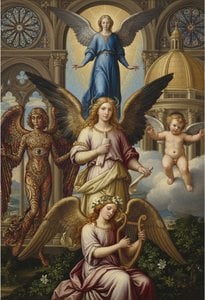
Explore the profound beauty of angelic figures in art history. From Renaissance masterpieces to celestial symbolism, our expert guide offers a sophisticated journey through the divine imagery of the Old Masters for discerning collectors and art enthusiasts.
 წინასწარი ნახვა
 გაგზავნა
 გაზიარება
 დეტალები
 გზამკვლევი

 ჩამოტვირთვა
 მსგავსები
 რენტგენოგრაფიული კვლევა
 სლაიდშოუ
 კითხვა-პასუხი
 სტატისტიკა

 გააგრძელეთ კითხვა









 მინის ჩარჩოს არჩევანი შესაძლებელია მხოლოდ 110 სმ-მდე ზომისთვის


