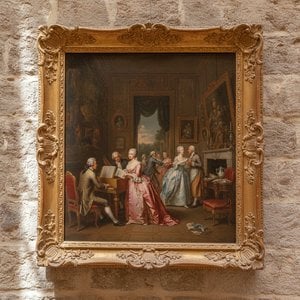
მხატვრის ბიოგრაფია
რბილი დაკვირვებისადმი მიძღვნილი ცხოვრება: კარლ შპიცვეგის სამყარო
1808 წლის 5 თებერვალს, მუნხენთან მდებარე ბავარიულ სოფელ Unterpfaffenhofen-ში დაბადებული კარლ შპიცვეგის გზა სახელოვნებაში სრულიად არ يشნოდა ტრადიციულს. თავდაპირველად მას პრაქტიკული ცხოვრება დაედგა – მამის სურვილისამებრ, ჯერ აფთიაქის მოლოდინს გაივლიდა – თუმცა ბედმა ავადმყოფობისა და вызორმების სახით ჩაერია, რამაც მხატვრობისადმი ლატენტურიСтрасть გააღვიძა. ეს არ ყოფილა მოულოდნელი გარდასახვა; ეს იყო თანდათანობითი განვითარება, რომელიც ფლამენდური ოსტატების ნამუშევრების კოპირებით, მათი დეტალურობისა და ატმოსფერული სიღრმის შეთვისებით მომზადდა. ადრეული წლები მამის გეგმების ერთგულებით იყო აღსავსე, თუმცა ფარმაცევტული სწავლების ფარგლებშიც კი შპიცვეგის მხატვრული მიდრეკილებები შენარჩუნებული დარჩა, რაც მიანიშნებდა შემოქმედებითი გამოხატვისკენ სწრაფვაზე. მისი ოჯახური წარმომავლობა კომფორტულ კეთილდღეობას მოიცავდა; მამამისი, სიმონ შპიცვეგი, წარმატებული ვაჭარი და დედა, ფრანცისკა შმუცერი, შემოგაზរებული ოჯახიდან, სტაბილურ საფუძველს ქმნიდნენ, თუმცა, შესაძლოა, თავდაპირველად ვერ აცნობიერებდნენ შვილის მხატვრულな склонности. ის მემკვიდრეობა, რომელიც მან საბოლოოდ მიიღო, გადამწყვეტი აღმოჩნდა და 1833 წელს მას მხატვრობას სრულად მიეძღვნა ფინანსური თავისუფლება მისცა.
აფთიაქიდან პალიტრამდე: უნიკალური მხატვრული ხმის ჩამოყალიბება
შპიცვეგის თვითნასწავლი approach-ი გადამწყვეტი იყო მისი გამორჩეული სტილის ფორმირებაში. იგი არ იყო შემოკინებული აკადემიური შეზღუდვებით ან ეპოქის დიდებული ისტორიული მღვიძარეობით; ნაცვლად ამისა, მან საკუთარი გზა გაიკაფა და ყურადღება ჩვეულებრივი ადამიანების ყოველდღიურ ცხოვრებაზე გადაიტანა, რბილი იუმორისწარმოებითა და დაკვირვების მჭრელი უნარით. მისი მოგზაურობები ევროპის მასშტაბით – პრაგში, ვენეციაში, პარიჟში, ლონდონსა და ბელგიაში – არ იყო მხოლოდ გასეირნება, არამედ სინათლის, ფერისა და ადამიანური ხასიათის ღრმა შესწავლა. ამ მოგზაურობებმა გააფართოვა მისი მხატვრული ჰორიზონტები, თუმცა იგი მყარად დარჩა ბიდერმაიერის ესთეტიკაში – სტილში, რომელიც ხასიათდება ინტიმურობით, საოჯახო სიმშვიდითა და საშუალო ფენის ცხოვრების ფოკუსირებით. მან ნიკოლაეს ბერხემის და გონსალეს კოკეს მსგავსი ჰოლანდიელი „ოქროს ხანის“ ფერწერების გავლენა შეითვისა, რაც აშკარაა დეტალებზე მის განსაკუთრებულ ყურადღებასა და თბილ, მიწისფერთონებში დეტალებში. თუმცა, შპიცვეგი არ ახდენდა უბრალო იმიტაციას; იგი ამ გავლენებს საკუთარ უნიდადუტურ სინთეზად გარდაქმნიდა – რეალიზმის, ფანტაზიისა და ნატიფი სატირის ნაზავად, რომელმაც მისი ეპოქის სული გამოიჭრა. მისმა ადრეულმა წვლილმა სატირულ 잡誌-ებში დახვეწა მისი უნარი, რთული დაკვირვებები მოკლე და ვიზუალურად მიმზიდველ ნარატივებად გარდაექცია.
ბიდერმაიერის შარმი: თემები და ტექნიკა
შპიცვეგის ტილოები წარსული ეპოქის ფანჯრებია, რომლებიც მე-19 საუკუნის გერმანული ცხოვრების მომხიბვლელი ხედვებს გვთავაზობენ. იგი სრულყოფილად გამოსახავდა ექსცენტრიულ პერსონაჟებს – წიგნის ჭამელებს, რომლებიც სწავლაში იყვნენ დაღლულები, იპოქსდრომულებს, რომლებიც შფოთვით იყვნენ შეპყრობილნი, ან შეკრებულ პეპლანმსადევნებლებს – ინდივიდებს, რომლებიც ადამიანური ბუნების უცნაურობისა და მოწყვლადობის სიმბოლოები არიან. ეს არ იყო გამაკატროფებელი ხატულები, არამედ სავსე სიყვარულით შექმნილი პორტრეტები, რომლებიც აღნიშნავდნენ ინდივიდუალურობას. ღარიბი პოეტი, შესაძლოა მისი ყველაზე საკულტო ნამუშევარი, სწორედ ამ მიდგომის მაგალითია; ეს არის მარტოობისა და ინტელექტუალური ვნების მძაფრი აღწერა, შესრულებული საოცარი სენსიტიურობით. მისი ტექნიკა ხასიდაგდება დეტალების სიზუსტით, ნაზი ფუნჯის დარტყმებითა და სინათლისა და ჩრდილის ოსტატური გამოყენებით ატმოსფეროს შესაქმნელად. მას არ აინტერესებდა დრამატული სიუჟეტები ან გრანდიოზული ჟესტები; ნაცვლად ამისა, მან სილამზე და აზრი იპოვა ყოველდღიურობაში, ამით ჩვეულებრივი სცენები ხელოვნების მაღალ საფეხურზე ასწია. მისი ტილოები არ არის მხოლოდ რეალობის რეპრეზენტაცია, არამედ ინტერპრეტაციები, რომლებიც გაჟღენთილია მისი რბილი იუმორითა და ემპათიური გაგებით.
მემკვიდრეობა და მარადიული მიმზიდველობა
კარლ შპიცვეგის გავლენა სცილდება მე-19 საუკუნის გერმანული ფერწერის ფარგლებს გარეთ. მიუხედავად იმისა, რომ ის ხშირად ყურადღების მიღმა რჩება ხელოვნების ისტორიულ ნარატივებში, მისი შემოქმედება თაობების მანდამე რეზონირებდა როგორც ხელოვანთა, ისე მაყურებელთა გულებში. ყოველდღიური ცხოვრების არსის ხუმრობითა და თანაგრძნობით დაჭერადობის უნარი დღესაც მოხიბლავს აუდიტორიას. ისეთი ნამუშევრების მარადიული პოპულარობა, როგორიცაა პეპლანმსადევნელი და სკოლის გასეირნება კონვენტში, მოწმობს მათ დაუვიწყable მიმზადებლობას. შპიცვეგის მემკვიდრეობა ჩანს შემდგომი ხელოვანების ნამუშევრებშიც, მათ შორის ნორმან როკველში, რომელმაც თავისი რენდერით პატივი მიაგო ღარიბ პოეტს. მისი ტილოები ხელმისაწვდომია მსოფლიოს წამყვან მუზეუმებსა და კოლექციებში, მათ შორის მუნხენის Schackgalerie-სა და ავსტრიის ლინცის Wolfgang-gurlitt-museum-ში, რაც უზრუნველყოფს, რომ მისი მხატვრული ხედვა მომავალ წლებშიც აგრძელებს შთაგონებისა და აღფრთოვანების მოტანას. იგი გარდაიცვალა 1855 წლის 23 სექტემბერს, დატოვა მდიდარი შემოქმედება – 1,500-ზე მეტი ტილო და ნახატი – რაც მისი უნიკალური ნიჭისა და ხელოვნების სამყაროში შეტანილი მარადიული წვლილის დასტურია.



 წინასწარი ნახვა
 შეიძინეთ ხელით შესრულებული ნახატი
 გაგზავნა
 გაზიარება
 დეტალები

 ჩამოტვირთვა
 მსგავსები
 რენტგენოგრაფიული კვლევა
 სლაიდშოუ
 სტატისტიკა


 გადასართად დაწვრილებით ნახეთ






































 მინის ჩარჩოს არჩევანი ხელმისაწვდომია მხოლოდ 110 სმ-ზე ნაკლები ზომისთვის