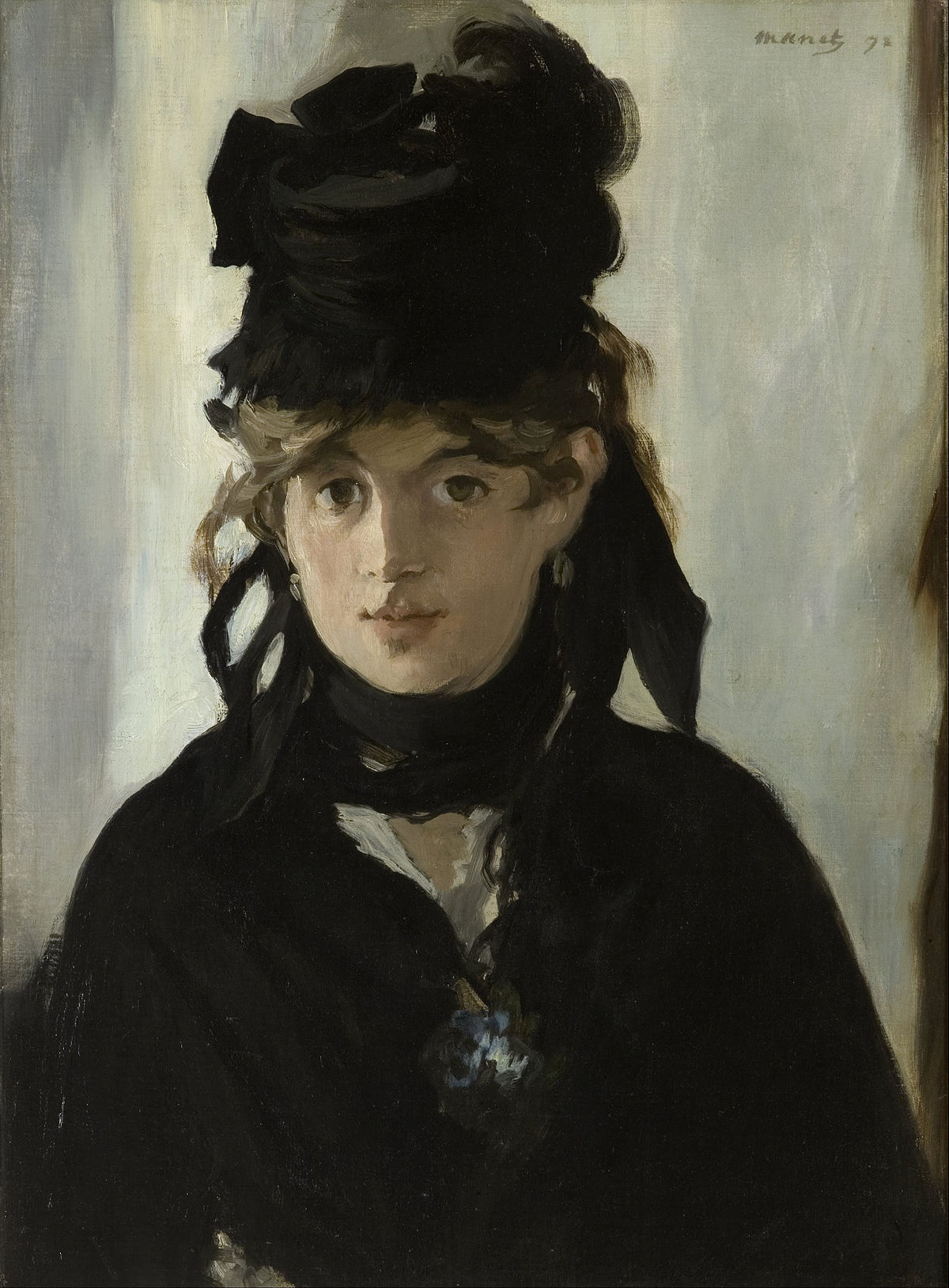
მხატვრის ბიოგრაფია
სიცოცხლის სინათლესა და ინტიმურობაში ჩაძირული ცხოვრება
ბერტე მორიზო, რომელიც 1841 წელს ბურჟში დაიბადა, იმპრესიონიზმის მნიშვნელოვანი ფიგურად წარმოჩნდა, თუმცა მისი ისტორია მხოლოდ „ქალი იმპრესიონისტი“-ს განსაზღვრას აღემატება. მხოლოდ გენდერული ნიშნით მისი დახასიათება აქვეითებს მის მხატვრულ ხედვის სიღრმეს და თანამედროვე ცხოვრების ეფემერულ მომენტების ასახვაზე უძვირველესი ერთგულებას. მორიზო წარმოშობით ბურჟუაზული ოჯახიდან იყო, მხატვრული წინაპრებით – ის ცნობილი როკოკოს მხატვარ ჟან-ონორე ფრაგონარის ნათესავი იყო – მან მიიღო განათლება, რომელიც იმ ეპოქის ქალებისთვის არასტანდარტული იყო, რომელმაც გაუმართლა მის თანდაყოფილი ტალენტი და სიცოცხლის ბოლომდე ხატვის ერთგულება. ადრეული გაკვეთილები ჟოფროი-ალფონს შოკარნესთან და ჟოზეფ გიშართან საფუძველა უზრუნველყოფდა საჭირო უნარებს, მაგრამ ლუვრის შედევრებთან ურთიერთობამ, ძველი ოსტატების ნამუშევრების კოპირებამ, ჭეშმარიტად გააღვიძა მისი მხატვრული მგრძნობელობა. ამ ინტენსიური მომზადების პერიოდმა საფუძველი ჩაუყარა მის შემდგომ გამოკვლევას სინათლის, ფერისა და ფორმის შესახებ. განსაკუთრებული მნიშვნელობა ჰქონდა ჟან-ბატისტ-კამილ კოროს გავლენას; *plein air*-ში ხატვის – პირდაპირ ბუნებაში მუშაობის – აქცენტი მორიზოს მიდგომის საფუძვლოვანი პუნქტი გახდა, რაც საშუალებას აძლევდა მას სინათლისა და ატმოსფეროს ეფემერული თვისობების წარმოუდგენლად დელიკატურად ასახვას.
იმპრესიონიზმის წრეში ნავიგაცია
მორიზოს მხატვრული მოგზაურობა მჭიდროდაა დაკავშირებული ედუარდ მანესთან, რომელსაც იგი 1864 წელს შეხვდა. მათი ურთიერთობა ურთიერთპატივისცემისა და ინტელექტუალური გაცვლის იყო, მანე მასწავლებოდა და მეგობარი იყო. მანე არაერთხელ გამოსახა ის თავის განვითარებულ სტილში. თუმცა, მორიზო მხოლოდ საგანი არ იყო; იგი აქტიურად მონაწილეობდა იმპრესიონიზმის ჩამოყალიბებაში, მონეტის, დეგას, რენუარის და პისაროს გვერდით დამფუძნებელი წევრი გახდა. 1874 წელს მან გაბედავდა გამოფინა ამ „უარყოფილ“ მხატვართა ჯგუფთან ერთად, ოფიციალური სალონის კონსერვატიული სტანდარტების გადამეტება. პირველმა იმპრესიონიზმის გამოფინამ ხელოვნობის ისტორიაში გარღვევა მოახდინა, ტრადიციულ აკადემიურ ჩვევებებს გამოწვევა გაუწია და ახალი მხატვრული გამოსახვის ფორმების გზა გაიხსნა. მორიზომ თითქმის ყველა შემდგომ იმპრესიონიზმის გამოფინაში მიიღო მონაწილეობა, რეგულარულად წარმოადგენდა თავის უნიკალურ პერსპექტივას და გაამყარა თავისი პოზიცია ავანგარდში. მისმა ნამუშევებმა, რომლებიც ხშირად ასახავდნენ ინტიმურ საშინაო სცენებს – ქალები კითხულობდნენ, დედები ბავშვებთან ერთად, დაისვენების მომენტები ბაღებში – უნიკალური ფემინისტური თვალსაზრისი შეთავაზა, გამოწვევა გაუწია არსებულ საზოგადოებრივ ნორმებს და გააფართოვა ქალი მხატვრებისთვის მისაღები საკითხების არეალი.
გამორჩეული მხატვრული ხმა
მორიზოს განსაკუთრებული ის კი არა, რას ხატავდა, არამედ როგორ ხატავდა. მისი ფუნჯის სტილი დელიკატური თხევადობით ხასიათდება, შეხების სიმსუბუქე, რომელიც სპონტანურობისა და უშუალობის შთაბეჭდილებას ტოვებს. მან ოსტატურად გამოიყენა გაწყვეტილი ფერი – პიურენტო საღებავის მცირე ნაწილაკების გვერდიგვერდ განთავსება სინათლისა და ატმოსფეროს კაშკაშა ეფექტის შესასამსახურებლად. ზოგიერთ იმპრესიონისტ კოლეგას, რომლებმაც გრანდიოზული ლანდშაფტები ან ხალხმრავალი ქალაქის სცენები შეარჩიეს, მორიზომ ხშირად ინტიმური შინაგანი სივრცეები და პორტრეტები აირჩია, ადამიანურ ურთიერთობების ნუანსებსა და ყოველდღიური ცხოვრების მშვიდ იდეალს შესწავლით. მისი ფერადი გამა, როგორც წესი, რბილი და ჰარმონიულია, პასტელ ტონებსა და ფერის დელიკატურ გრადირებებს უპირატესობას ანიჭებს. ეს არ ნიშნავს, რომ მის ნამუშევრებს ძალა არ აქვს; პირიქით, მას გაწმენდილ ელეგანტურობა და ემოციური სიღრმე აქვს, რომელიც დღესაც აღფრთოვანებს მაყურებელს. კრიტიკოსებმა, გუსტავ ჟეფროის მსგავსმა, აღიარეს ეს უნიკალური ხარისხი, მას „იმპრესიონიზმის სამ დიდ ქალბატონს“ შორის მოუწოდა – მარი ბრაკუმონდთან და მერი კასატთან ერთად – მისი მნიშვნელოვანი წვლილი მოძრაობაში აღიარეს.
მემკვიდრეობა და ხანგრძლივი გავლენა
ბერტე მორიზოს სიცოცხლე ტრაგედიულად შემოიკვეთა 1895 წელს, მაგრამ მისი მხატვრული მემკვიდრეობა დღესაც ცოცხალია. დაქორწინებულიყო ევგენ მანეზე, ედუარდის ძმაზე, მან გაუმართლა სამყაროს, რომელიც ხშირად ქალ მხატვრებს აფასებდა, მაგრამ იგი თავდაჯერებულობით გაგრძელდა. მან გამოფინა თავისი სრული გვარი – ეს არის დამოუკიდებლობის ნიშანი და თვითდასაჯავრება – და მუდმივად გამოწვევა გაუწია ტრადიციულ მოლოდინებს. მისი ნამუშევრები აგრძელებენ მაყურებელს აღფრთოვანებენ თავისი დელიკატური სილამაზით, ემოციური честностью და ინოვაციური ტექნიკით. მორიზოს გავლენა იმპრესიონიზმის ფარგლებს გასცდა; მან მომავალი თაობის ქალი მხატვრებისთვის გზა გაიხსნა, აჩვენა, რომ ქალები შეძლეს მხატვრული უმაღლესი მიღწევების მიღწევა და მნიშვნელოვანი წვლილი внесли ხელოვნობის ისტორიის განვითარებაში. დღეს მისი ნახატები პატივმოყვარე კოლექციებში ინახება მთელ მსოფლიოში, რაც მისი გამორჩეული ტალანტისა და თანამედროვე ხელოვნების ფორმირებაში მისი მნიშვნელოვანი როლის მოწმობაა. *ქალი მწვანე კაბაში*, *საწოლი*



 წინასწარი ნახვა
 გადართვა ბეჭდზე
 გაგზავნა
 გაზიარება
 დეტალები

 ჩამოტვირთვა
 მსგავსები
 რენტგენოგრაფიული კვლევა
 სლაიდშოუ
 სტატისტიკა


 გადასართად დაწვრილებით ნახეთ






































 მინის ჩარჩოს არჩევანი ხელმისაწვდომია მხოლოდ 110 სმ-ზე ნაკლები ზომისთვის